

Are plastic gardening trays safe for plants?
As a gardening tray supplier, I often get asked about the safety of plastic gardening trays for plants. It's a crucial question, especially considering the wide - spread use of these trays in horticulture. In this blog, I'll explore the various aspects of using plastic gardening trays and whether they are indeed safe for our green friends.
The Basics of Plastic Gardening Trays
Plastic gardening trays are popular for several reasons. They are lightweight, durable, and relatively inexpensive. They come in a variety of sizes and shapes, making them suitable for different types of plants and gardening setups, from small home gardens to large commercial nurseries.
One of the primary concerns regarding plastic trays is the potential for chemical leaching. Some plastics may contain harmful chemicals such as phthalates and bisphenol A (BPA). These chemicals can leach into the soil over time, especially when exposed to certain conditions like high temperatures, acidic soil, or prolonged contact with water.

Chemical Leaching and Its Effects on Plants
Phthalates are used to make plastics more flexible. When they leach into the soil, they can disrupt the normal growth and development of plants. Studies have shown that phthalates can interfere with the hormonal balance in plants, affecting processes such as flowering and fruiting. BPA, on the other hand, is known to mimic the action of certain plant hormones. This can lead to abnormal cell division and growth in plants.
However, not all plastics are created equal. Many modern plastic gardening trays are made from high - quality, food - grade plastics that are less likely to leach harmful chemicals. For example, polyethylene and polypropylene are commonly used in the manufacturing of gardening trays. These plastics are generally considered safe and have a low risk of chemical leaching.
Environmental Conditions and Chemical Leaching
The rate of chemical leaching from plastic gardening trays can be influenced by environmental conditions. High temperatures can accelerate the leaching process, as the molecules in the plastic become more active. Similarly, acidic soil can react with the plastic, causing it to break down and release chemicals more quickly.
To minimize the risk of chemical leaching, it's important to choose the right plastic trays and use them in appropriate conditions. For instance, if you live in a hot climate, look for trays made from heat - resistant plastics. You can also test the pH of your soil and adjust it if necessary to reduce the potential for chemical reactions with the plastic.
Air and Water Circulation
Another factor to consider when using plastic gardening trays is air and water circulation. Poor air circulation can lead to the buildup of moisture in the soil, which can create a breeding ground for fungi and bacteria. Plastic trays, especially those with solid bottoms, may restrict air movement.
To improve air circulation, some plastic gardening trays are designed with holes or slots in the bottom. These holes allow air to reach the roots of the plants and excess water to drain out. Adequate water drainage is also essential to prevent waterlogging, which can lead to root rot.
Alternatives to Plastic Gardening Trays
If you're still concerned about the safety of plastic gardening trays, there are alternatives available. Biodegradable trays made from materials such as peat, coconut coir, or paper pulp are becoming increasingly popular. These trays are environmentally friendly and can be planted directly into the soil, reducing the need for transplanting.
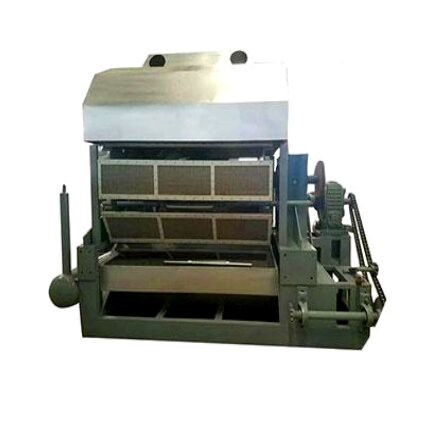
When it comes to manufacturing these alternative trays, technologies like Seedling Tray Mold and Seedling Tray Making Machine play a crucial role. They enable the efficient production of high - quality biodegradable trays.
Long - Term Effects on Soil Health
The long - term use of plastic gardening trays can also have an impact on soil health. Over time, small particles of plastic may break off from the trays and accumulate in the soil. These microplastics can affect the soil structure and the activity of soil organisms.
Soil organisms, such as earthworms and beneficial bacteria, play a vital role in maintaining soil fertility. Microplastics can interfere with their natural behavior and function, potentially leading to a decline in soil quality. However, the extent of this impact depends on the type of plastic and the amount used.
Making an Informed Decision
As a gardening tray supplier, I understand that choosing the right trays for your plants is not always easy. When deciding whether to use plastic gardening trays, you need to consider several factors. First, assess the quality of the plastic. Look for trays that are labeled as food - grade or made from safe plastics like polyethylene or polypropylene.
Second, think about the environmental conditions in which the trays will be used. If you're in a hot or acidic environment, take extra precautions to minimize the risk of chemical leaching. Third, consider the air and water circulation requirements of your plants. Choose trays that allow for proper drainage and air movement.
Contact for Purchase and Consultation
If you're interested in purchasing gardening trays, whether plastic or biodegradable, I'm here to help. I can provide you with detailed information about the different types of trays we offer, their features, and their suitability for various plants. We have a wide range of products to meet the needs of both home gardeners and commercial growers.
Whether you're starting a new gardening project or looking to upgrade your existing setup, feel free to reach out. We can discuss your specific requirements and find the best gardening trays for you.
References
- Smith, J. (2018). "The Impact of Plastic on Plant Growth". Journal of Horticultural Science.
- Johnson, A. (2019). "Microplastics in Soil: A Hidden Threat?". Environmental Science Review.
- Brown, C. (2020). "Biodegradable Gardening Trays: An Eco - Friendly Alternative". Sustainable Horticulture Magazine.