

Can a coffee cup tray mold be reused?
As a supplier of Coffee Cup Tray Mold, I often get asked whether a coffee cup tray mold can be reused. This is a crucial question for businesses in the food and beverage industry, especially those that rely on coffee cup trays for serving multiple cups at once. In this blog, I'll delve into the factors that determine the reusability of these molds, the benefits and challenges of reuse, and how to ensure optimal reuse of your coffee cup tray molds.
Factors Affecting Reusability
The reusability of a coffee cup tray mold depends on several key factors. First and foremost is the material of the mold. Molds can be made from various materials such as metal, plastic, and silicone. Metal molds, particularly those made from high - quality stainless steel or aluminum, are known for their durability and can withstand multiple uses. They are resistant to corrosion, heat, and wear, making them ideal for long - term reuse.
Plastic molds, on the other hand, are generally less durable than metal ones. They may warp or crack over time, especially if exposed to high temperatures or rough handling. However, some high - grade plastics can still offer a reasonable number of uses, depending on the manufacturing process and the quality of the plastic.
Silicone molds are flexible and easy to release the coffee cup trays from. They are also resistant to high temperatures, which is an advantage when it comes to the molding process. But they can wear out faster than metal molds, especially if they are stretched too much during the demolding process.
Another factor is the design complexity of the mold. Molds with intricate designs may be more prone to damage during the molding and demolding processes. Sharp corners, thin walls, or detailed patterns can increase the stress on the mold, leading to premature wear and tear. Simple, straightforward designs are generally more likely to be reused successfully.
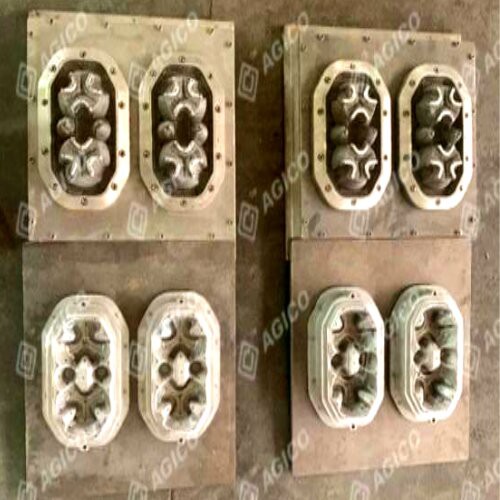
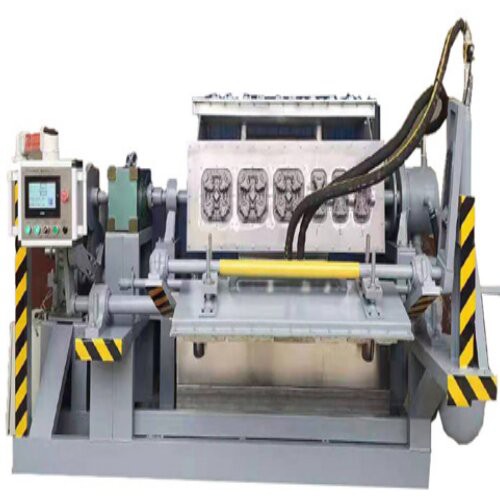
The frequency of use and the operating conditions also play a significant role. If a mold is used continuously at high production volumes, it will experience more wear and tear compared to one that is used sporadically. Additionally, harsh operating conditions such as high - pressure molding, extreme temperatures, or the use of abrasive materials in the molding process can all reduce the mold's lifespan and reusability.
Benefits of Reusing Coffee Cup Tray Molds
There are several benefits to reusing coffee cup tray molds. One of the most significant advantages is cost - savings. Manufacturing a new mold can be expensive, involving costs for materials, design, and machining. By reusing an existing mold, businesses can avoid these upfront costs and save a substantial amount of money in the long run.
Reusing molds also has environmental benefits. The production of new molds requires the extraction of raw materials and energy - intensive manufacturing processes. By extending the life of a mold, we reduce the demand for new materials and energy, which in turn helps to lower the carbon footprint of the business.
From a production perspective, reusing a proven mold can ensure consistency in the quality of the coffee cup trays. Once a mold has been optimized to produce high - quality trays, reusing it means that the same quality can be maintained. This is important for businesses that rely on a consistent product appearance and functionality to meet customer expectations.
Challenges of Reusing Coffee Cup Tray Molds
Despite the benefits, there are also challenges associated with reusing coffee cup tray molds. One of the main challenges is maintenance. Over time, molds can accumulate dirt, debris, and residues from the molding process. If not cleaned properly, these contaminants can affect the quality of the coffee cup trays and even damage the mold. Regular cleaning and maintenance are essential to ensure the mold's longevity and reusability.
Wear and tear can also lead to dimensional changes in the mold. As the mold is used repeatedly, it may start to lose its original shape and size, resulting in coffee cup trays that do not meet the required specifications. This can be a problem for businesses that need precise and consistent products. In some cases, minor repairs or adjustments may be possible, but in others, the mold may need to be replaced.
Another challenge is the potential for mold damage during the demolding process. If the coffee cup trays are not released from the mold properly, it can cause cracks or other forms of damage to the mold. This requires careful handling and the use of appropriate demolding techniques and tools.
Ensuring Optimal Reuse of Coffee Cup Tray Molds
To ensure the optimal reuse of coffee cup tray molds, proper maintenance is key. This includes regular cleaning to remove any contaminants. Depending on the material of the mold, different cleaning methods may be required. For example, metal molds can be cleaned with mild detergents and water, followed by a thorough rinse and drying. Plastic and silicone molds may require more gentle cleaning agents to avoid damage.
Inspection is also an important part of the maintenance process. Regularly checking the mold for signs of wear, cracks, or other damage can help identify problems early on. If any issues are detected, they can be addressed promptly to prevent further damage and extend the mold's lifespan.
Proper storage of the mold when it is not in use is also crucial. Molds should be stored in a clean, dry environment to prevent corrosion and other forms of damage. They should be protected from physical impact and stored in a way that maintains their shape.
When it comes to the molding process, using the right equipment and techniques is essential. For example, using a Coffee Cup Tray Making Machine that is compatible with the mold can help ensure a smooth and efficient molding process. The machine should be calibrated correctly to apply the right amount of pressure and temperature, which can reduce the stress on the mold.
Conclusion
In conclusion, a coffee cup tray mold can be reused, but it depends on several factors such as the material, design, frequency of use, and operating conditions. Reusing molds offers significant cost - savings, environmental benefits, and consistency in product quality. However, it also comes with challenges such as maintenance, wear and tear, and potential damage during the demolding process.
By understanding the factors that affect reusability and taking the necessary steps to maintain and care for the molds, businesses can maximize the number of times a coffee cup tray mold can be used.
If you are in the market for high - quality coffee cup tray molds or need advice on mold reusability and maintenance, feel free to reach out to us. We are here to help you make the most of your investment in coffee cup tray molds and ensure the success of your coffee cup tray production.
References
- "Mold Design and Manufacturing Handbook"
- "Plastic Molding Technology"
- Industry reports on coffee cup tray manufacturing and mold usage