

Hey there, fellow gardening enthusiasts! As a supplier of gardening trays, I've been getting a ton of questions lately about the best container size for growing onions. It's a crucial question because the right container size can make a huge difference in the growth and yield of your onion plants. So, let's dive right in and explore this topic together.
First off, let's understand a bit about onions. Onions are cool-season crops that grow from bulbs or sets. They have a relatively shallow root system, but they still need enough space to spread out and develop properly. The size of the container you choose will depend on a few factors, including the variety of onions you're growing, the number of plants you want to grow, and the available space in your garden or growing area.
Types of Onion Varieties and Their Space Requirements
There are different types of onions, such as scallions, shallots, and bulb onions. Scallions, also known as green onions, are usually harvested when they're young and don't require as much space as bulb onions. They can be grown in smaller containers, like 4 - 6 inches deep trays. You can plant them quite close together, about 1 - 2 inches apart.
Shallots are a bit more space - hungry than scallions. They form small clusters of bulbs, and you'll want to give each plant around 3 - 4 inches of space. A container that's at least 6 - 8 inches deep would be ideal for shallots.
Bulb onions are the most common type you'll find in the grocery store. These need the most space to grow large, healthy bulbs. For bulb onions, a container depth of 8 - 12 inches is recommended. Each onion plant should have about 4 - 6 inches of space around it to allow the bulbs to develop fully.
Small - Scale Gardening: Ideal Container Sizes
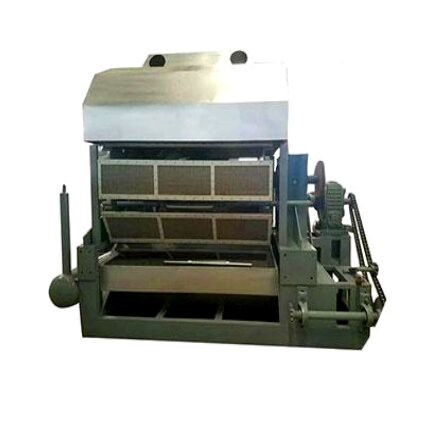
If you're growing onions on a small scale, maybe just for your own kitchen use, you have some great options. A seedling tray can be a fantastic choice. You can start your onion seeds in a Seedling Tray Making Machine - made tray. These trays usually come in various cell sizes. For onion seedlings, cells that are around 2 - 3 inches in diameter and 2 - 3 inches deep are perfect for the early growth stage.
Once the seedlings are a few inches tall, you can transplant them into a slightly larger container. A 6 - inch square pot or a rectangular tray that's 6 inches deep and wide enough to space the plants appropriately can work well. This gives the young plants enough room to start developing their root systems and growing into healthy specimens.
Large - Scale Gardening: Container Considerations
For those of you who are looking to grow onions on a larger scale, say for a small farm or a community garden, you'll need to think about bigger containers. Rectangular trays that are 12 - 18 inches wide, 24 - 36 inches long, and 8 - 12 inches deep are great for mass - planting onions. You can plant rows of onions in these trays, with proper spacing between the rows and the individual plants.
Using a Seedling Tray Mold to create custom - sized trays can be a smart move for large - scale growers. You can design trays that fit your specific needs, whether it's maximizing the number of plants in a limited space or creating trays that are easy to handle and transport.
The Importance of Drainage
No matter what container size you choose, proper drainage is essential for growing onions. Onions don't like to sit in waterlogged soil, as it can lead to root rot and other diseases. Make sure your containers have drainage holes at the bottom. If you're using a tray without pre - drilled holes, you can easily drill some yourself. A layer of gravel or small stones at the bottom of the container can also help improve drainage.
Soil and Fertilizer Requirements
Onions prefer well - drained, fertile soil. A good potting mix that's rich in organic matter is ideal. You can add compost or aged manure to the soil to improve its fertility. When it comes to fertilizing, onions need a balanced fertilizer. A slow - release fertilizer applied at the time of planting and a light top - dressing of nitrogen - rich fertilizer a few weeks later can help promote healthy growth.
Monitoring and Maintenance
Once your onions are planted in the right - sized containers, it's important to monitor their growth. Keep an eye on the soil moisture level. Water the onions when the top inch of soil feels dry. Over - watering can be just as bad as under - watering, so find that sweet spot.
Also, watch out for pests and diseases. Onions can be susceptible to things like onion maggots and fungal diseases. Regularly inspect your plants and take appropriate action if you notice any problems.

Conclusion
So, what's the best container size for a gardening tray for onions? Well, it depends on your specific situation. For small - scale gardening, 4 - 6 - inch deep trays for scallions, 6 - 8 - inch deep trays for shallots, and 8 - 12 - inch deep trays for bulb onions are great starting points. For large - scale gardening, bigger rectangular trays with proper spacing are the way to go.
As a gardening tray supplier, I'm here to help you find the perfect container for your onion - growing needs. Whether you're looking for pre - made trays or want to use a Seedling Tray Making Machine and Seedling Tray Mold to create your own, we've got you covered.
If you're interested in purchasing our gardening trays or have any questions about container sizes and growing onions, don't hesitate to reach out. We're always happy to chat and help you make the most of your gardening experience.
References
- "The Vegetable Gardener's Bible" by Edward C. Smith
- "Onion Growing Guide" from the University of California Cooperative Extension