

Root vegetables are a staple in many gardens, prized for their nutritional value, ease of growth, and versatility in the kitchen. As a gardening tray supplier, I often get asked about the best depth for gardening trays when it comes to growing root vegetables. In this blog post, I'll delve into the factors that influence the ideal tray depth and provide some guidelines to help you make the right choice for your gardening needs.
Understanding Root Vegetables' Growth Requirements
Root vegetables, such as carrots, radishes, beets, and parsnips, develop their edible parts underground. Their roots need sufficient space to grow downward and expand laterally. The depth of the gardening tray plays a crucial role in determining the health and productivity of these plants.
Different root vegetables have different root growth patterns and requirements. For instance, carrots typically have long, tapering roots that can grow quite deep, sometimes reaching up to 12 inches or more. On the other hand, radishes have shorter, more compact roots that usually don't need as much depth.
Factors Influencing Tray Depth
1. Root Vegetable Type
As mentioned earlier, the type of root vegetable you're growing is the most significant factor in determining the tray depth. Here's a general guide for some common root vegetables:
- Carrots: For standard varieties, a tray depth of at least 10 - 12 inches is recommended. This allows the roots to grow straight and long without being constricted. If you're growing shorter or baby carrot varieties, a depth of 6 - 8 inches may suffice.
- Radishes: Radishes have relatively shallow roots, so a tray depth of 4 - 6 inches is usually adequate. This makes them a great choice for shallow trays or even container gardening.
- Beets: Beets can have roots that grow 6 - 8 inches deep, so a tray depth of 8 - 10 inches is ideal. This gives the roots enough room to develop fully and produce large, healthy beets.
- Parsnips: Similar to carrots, parsnips have long, tapering roots that require a tray depth of 10 - 12 inches or more for optimal growth.
2. Soil Quality and Drainage
The quality of the soil in your gardening tray also affects the root growth and, consequently, the required tray depth. Well-draining soil allows the roots to penetrate easily and access oxygen and nutrients. If the soil is heavy or compacted, the roots may have difficulty growing downward, and you may need a deeper tray to compensate.
Additionally, proper drainage is essential to prevent waterlogging, which can lead to root rot and other diseases. Make sure your gardening tray has adequate drainage holes to allow excess water to escape.
3. Growing Conditions
The growing conditions, such as temperature, humidity, and sunlight, can also influence the root growth of root vegetables. In warmer climates, the roots may grow more quickly and require more space. Similarly, if you're growing your vegetables indoors or in a greenhouse, you may need to adjust the tray depth based on the available growing space and the specific requirements of the plants.
Choosing the Right Gardening Tray Depth
Based on the factors mentioned above, here are some general guidelines for choosing the right gardening tray depth for root vegetables:

- For a mixed root vegetable garden: If you're planning to grow a variety of root vegetables in the same tray, it's best to choose a tray with a depth of at least 10 - 12 inches. This will accommodate the needs of most root vegetables and allow you to grow a diverse range of crops.
- For single-variety plantings: If you're growing only one type of root vegetable, you can choose a tray depth based on the specific requirements of that plant. For example, if you're growing radishes, a 4 - 6 inch deep tray will work well, while carrots and parsnips will need a deeper tray.
- Consider future growth: When choosing a tray depth, it's also important to consider the future growth of the plants. Some root vegetables may continue to grow and expand their roots over time, so it's better to choose a slightly deeper tray to allow for this growth.
Our Gardening Tray Solutions
As a gardening tray supplier, we offer a wide range of gardening trays in different depths and sizes to meet the needs of all types of root vegetable growers. Our trays are made from high-quality materials that are durable, lightweight, and environmentally friendly.
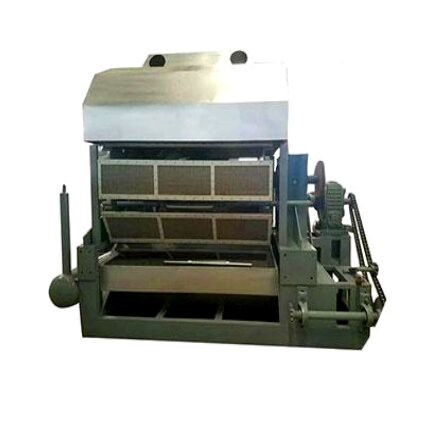
We also provide Seedling Tray Making Machine and Seedling Tray Mold for those who want to produce their own gardening trays. Our machines and molds are designed to be easy to use and produce high-quality trays that are perfect for growing root vegetables.
Contact Us for Your Gardening Tray Needs
If you're looking for the perfect gardening tray for your root vegetables, or if you have any questions about our products or services, please don't hesitate to contact us. We're here to help you make the right choice and ensure the success of your gardening endeavors. Whether you're a professional farmer or a home gardener, we have the solutions you need to grow healthy, delicious root vegetables.
References
- "The Vegetable Gardener's Bible" by Edward C. Smith
- "Root Vegetables: How to Grow Carrots, Parsnips, Turnips, and More" by Storey Publishing
- Various horticultural research papers and studies on root vegetable growth and development.