

Hey there, fellow gardening enthusiasts! As a supplier of gardening trays, I've gotten a ton of questions about the best time to transplant plants from these trays. It's a crucial step in the gardening process, and getting it right can make all the difference in the success of your plants. So, let's dive in and explore this topic together.
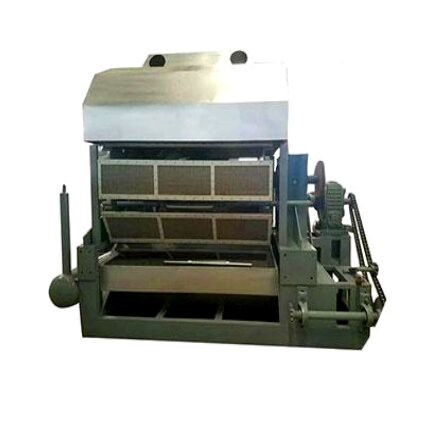
First off, why are gardening trays so important? Well, they're a great way to start your seeds indoors. They provide a controlled environment where you can monitor the temperature, moisture, and light conditions. Plus, they keep your seedlings organized and make it easier to transplant them later on. If you're interested in the tools used to make these trays, check out Seedling Tray Mold and Seedling Tray Making Machine.
Now, let's talk about when to transplant your plants. There are a few factors to consider, and it's not always a one-size-fits-all answer.
Seedling Size and Development
One of the most important things to look at is the size and development of your seedlings. You want to wait until they have a strong root system and a few sets of true leaves. True leaves are the ones that come after the initial cotyledons (the first leaves that emerge from the seed). Cotyledons are basically like the seed's lunchbox, providing the initial nutrients for the seedling. Once the true leaves start to grow, it means the seedling is starting to photosynthesize on its own and is more ready to be transplanted.
As a general rule of thumb, wait until your seedlings have at least two to three sets of true leaves. This usually takes about two to four weeks after germination, depending on the plant species. For example, tomatoes and peppers typically take a bit longer to develop compared to lettuce or radishes.
You can also gently tug on the seedling to see if it has a good root system. If it resists being pulled out of the tray easily, that's a good sign that the roots are well-established. However, be careful not to pull too hard and damage the roots.
Outdoor Conditions
Another crucial factor is the outdoor conditions. You don't want to transplant your seedlings too early when there's still a risk of frost. Frost can kill your tender seedlings, so it's important to wait until the threat of frost has passed. You can check your local weather forecast or look up the average last frost date for your area.
In addition to frost, you also want to consider the temperature and sunlight. Most seedlings prefer warm, sunny days. If it's still too cold outside, the seedlings may not grow well or may even go into shock. On the other hand, if it's too hot and sunny, the seedlings can get sunburned.
A good way to acclimate your seedlings to the outdoor conditions is to harden them off. This involves gradually exposing them to the outdoors over a period of about a week to 10 days. Start by putting them outside for a few hours a day in a sheltered spot, like a porch or under a tree. Then, gradually increase the amount of time they spend outside and expose them to more sunlight and wind. This will help them build up their tolerance to the outdoor environment.
Plant Species
Different plant species have different requirements when it comes to transplanting. Some plants, like annual flowers and vegetables, are more forgiving and can be transplanted a bit earlier. Others, like perennials and woody plants, may need more time to develop before they can be transplanted.
For example, herbs like basil and cilantro can be transplanted relatively early, as long as they have a few sets of true leaves. On the other hand, fruit trees and shrubs should be transplanted when they're dormant, usually in the fall or early spring.

It's also important to consider the growth habit of the plant. Some plants, like carrots and beets, don't like to be transplanted because their roots can be easily damaged. In these cases, it's better to sow the seeds directly in the ground.
Time of Day
The time of day you choose to transplant your seedlings can also make a difference. It's best to transplant them in the early morning or late afternoon when the sun is not as strong. This will help reduce the stress on the seedlings and give them time to recover before the heat of the day.
If you have to transplant your seedlings in the middle of the day, try to do it on a cloudy day or provide some shade for the seedlings after transplanting. You can use a piece of cardboard or a shade cloth to protect them from the sun.
Steps for Transplanting
Once you've determined that it's the right time to transplant your seedlings, here are the steps to follow:
- Prepare the planting area: Make sure the soil in the planting area is loose, fertile, and well-drained. You can add some compost or fertilizer to the soil to provide extra nutrients for the seedlings.
- Water the seedlings: Water the seedlings in the tray thoroughly a few hours before transplanting. This will help keep the roots moist and make it easier to remove them from the tray.
- Remove the seedlings from the tray: Gently loosen the soil around the seedlings with a small tool, like a spoon or a pair of tweezers. Then, carefully lift the seedlings out of the tray by the leaves or the stem. Be careful not to damage the roots.
- Plant the seedlings: Dig a hole in the planting area that's slightly larger than the root ball of the seedling. Place the seedling in the hole and fill in the soil around it, gently pressing down to secure the seedling.
- Water the transplanted seedlings: Water the transplanted seedlings immediately after planting to help settle the soil around the roots. Keep the soil moist but not waterlogged for the first few days after transplanting.
Conclusion
So, there you have it! The best time to transplant plants from a gardening tray depends on a variety of factors, including the size and development of the seedlings, the outdoor conditions, the plant species, and the time of day. By paying attention to these factors and following the steps outlined above, you can increase the chances of success for your transplanted seedlings.
If you're in the market for high-quality gardening trays, I'd love to talk to you. Whether you're a professional gardener or just starting out, our gardening trays are designed to help you grow healthy, strong plants. Feel free to reach out to me to discuss your specific needs and requirements.
References
- University of California Agriculture and Natural Resources. (n.d.). Transplanting Seedlings. Retrieved from [University of California website]
- The Old Farmer's Almanac. (n.d.). When to Transplant Seedlings. Retrieved from [The Old Farmer's Almanac website]
- Missouri Botanical Garden. (n.d.). Transplanting Seedlings. Retrieved from [Missouri Botanical Garden website]