

As a provider of high - quality Coffee Cup Tray Mold, I understand the importance of proper mold storage. A well - stored coffee cup tray mold not only extends its service life but also ensures the quality of the coffee cup trays produced. In this blog, I will share some professional tips on how to store a coffee cup tray mold properly.
Pre - storage Cleaning
Before storing the coffee cup tray mold, a thorough cleaning is essential. During the production process, the mold is exposed to various substances such as paper pulp, adhesives, and lubricants. These residues can cause corrosion, blockage of small holes (if any), and affect the surface finish of the mold.
First, use a soft brush to remove loose debris from the mold surface. This can prevent scratches on the mold during the subsequent cleaning process. Then, prepare a cleaning solution. A mild detergent mixed with warm water is usually sufficient. Immerse the mold in the solution and use a non - abrasive sponge to gently scrub the entire surface. Pay special attention to the corners and crevices where residues are likely to accumulate.
For stubborn stains, you may need to use a specialized mold cleaner. However, make sure to follow the manufacturer's instructions carefully. After cleaning, rinse the mold thoroughly with clean water to remove all traces of the cleaning solution. Residual cleaning agents can also cause damage to the mold over time.
Drying the Mold
Proper drying is a crucial step in mold storage. Moisture is the enemy of molds as it can lead to rust, corrosion, and the growth of mold and mildew. After cleaning, use a clean, dry cloth to wipe off as much water as possible from the mold surface.
Then, place the mold in a well - ventilated area to air - dry. Avoid direct sunlight as it can cause uneven heating and potentially warp the mold. If possible, use a fan to speed up the drying process. You can also use a desiccant near the mold to absorb any remaining moisture in the air. A common desiccant is silica gel, which can be placed in small breathable bags around the mold.
Surface Protection
Once the mold is completely dry, it's time to apply a protective coating. A thin layer of anti - rust oil can be applied to the metal parts of the mold. This oil forms a barrier between the metal and the air, preventing oxidation and rusting. Use a clean, lint - free cloth to apply the oil evenly on the surface. Make sure to cover all exposed metal areas, including the edges and any internal cavities.
For non - metal parts of the mold, such as plastic or rubber components, a silicone - based lubricant can be used. This lubricant not only protects the surface but also helps to maintain the flexibility and integrity of these materials.
Storage Environment
The storage environment plays a significant role in the longevity of the coffee cup tray mold. The ideal storage location should be a clean, dry, and temperature - controlled area. The temperature should be relatively stable, preferably between 10°C and 30°C. Extreme temperatures can cause the mold to expand or contract, leading to structural damage.
The humidity level in the storage area should be kept below 50%. High humidity can accelerate corrosion and the growth of mold and mildew. You can use a dehumidifier to control the humidity if necessary.
The storage area should also be free from dust and debris. Dust can scratch the mold surface and contaminate it, affecting the quality of the coffee cup trays produced in the future. If possible, store the mold in a sealed container or a dedicated storage cabinet.
Proper Placement
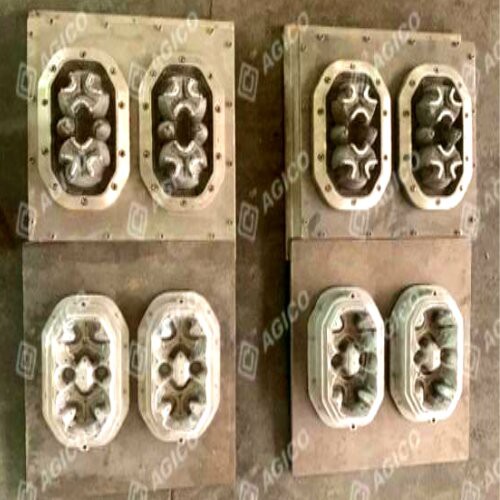
When placing the coffee cup tray mold in storage, it's important to ensure that it is placed in a stable and secure position. Avoid stacking heavy objects on top of the mold as this can cause deformation. If you need to stack multiple molds, use appropriate spacers between them to prevent scratching and damage.
For large or complex molds, it may be necessary to use a custom - made storage rack. This rack should be designed to support the weight and shape of the mold evenly, reducing the risk of stress points and damage.

Regular Inspection
Even when the mold is in storage, regular inspection is necessary. Check the mold at least once every few months to ensure that there are no signs of damage, rust, or mold growth. If you notice any issues, take immediate action to address them.
During the inspection, also check the protective coating. If the anti - rust oil or lubricant has worn off in some areas, re - apply it as needed. This proactive approach can help to catch potential problems early and prevent more serious damage to the mold.
Documentation
Keep detailed records of the mold's storage. Include information such as the date of storage, the cleaning and maintenance procedures performed, and the results of any inspections. This documentation can be very useful in the future, especially when it comes to troubleshooting or planning for the next production run.
In conclusion, proper storage of a coffee cup tray mold is a multi - step process that requires attention to detail. By following these guidelines, you can ensure that your mold remains in good condition for a long time, which in turn can save you time and money in the long run.
If you are interested in our Coffee Cup Tray Mold or Coffee Cup Tray Making Machine, or if you have any questions about mold storage or other related topics, please feel free to contact us for further discussion and potential procurement. We are always ready to provide you with professional advice and high - quality products.
References
- Mold Manufacturing and Maintenance Handbook
- Industrial Metal Corrosion Prevention Guide
- Best Practices in Plastic and Rubber Component Storage