

Hey there! As a supplier of Seedling Tray Mold, I often get asked about the magnetic properties of these molds. It might sound a bit strange at first, but understanding the magnetic aspects can be crucial for many reasons. So, let's dive right in and explore what's going on with the magnetic properties of a seedling tray mold.
First off, let's talk about what a Seedling Tray Mold actually is. It's a tool used in the production of seedling trays, which are essential for starting plants from seeds. These molds are typically made from different materials, and the choice of material can have a significant impact on their magnetic properties.
One of the most common materials for seedling tray molds is steel. Steel can have various magnetic characteristics depending on its composition. Some types of steel are ferromagnetic, which means they are strongly attracted to magnets and can be magnetized themselves. This property can be both an advantage and a disadvantage in the context of seedling tray molds.
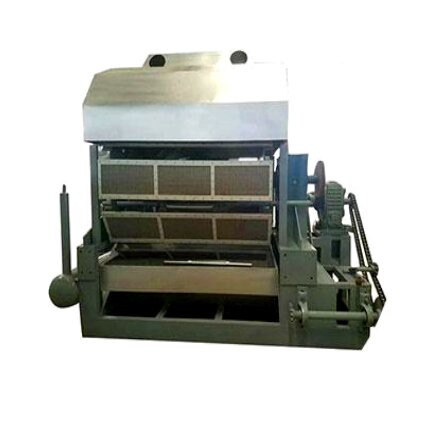
On the plus side, if a mold is ferromagnetic, it can be easily held in place using magnetic fixtures during the manufacturing process. This ensures precise alignment and reduces the chances of the mold shifting, which can lead to defects in the final seedling trays. For example, when using a Seedling Tray Making Machine, having a magnetically stable mold can improve the efficiency and quality of the production.
However, there are also some drawbacks to ferromagnetic molds. Over time, the magnetization of the mold can cause it to attract metal debris and dust. This can contaminate the mold and potentially affect the quality of the seedling trays. Additionally, if the magnetic field is too strong, it might interfere with other sensitive equipment in the manufacturing environment.
Another factor to consider is the heat treatment of the steel mold. Heat treatment can alter the magnetic properties of the steel. For instance, quenching and tempering processes can change the crystal structure of the steel, which in turn affects its magnetic behavior. A well - heat - treated mold might have more stable magnetic properties, making it more reliable during production.
Not all seedling tray molds are made of ferromagnetic materials. Some are made from non - magnetic materials like aluminum or certain types of plastics. These non - magnetic molds have their own advantages. They don't attract metal debris, which means they are less likely to get contaminated. Also, they won't interfere with magnetic sensors or other equipment in the production area.
But non - magnetic molds also have limitations. They can't be held in place using magnetic fixtures as easily as ferromagnetic molds. This might require the use of mechanical clamps or other fastening methods, which can be more time - consuming and less precise.
Now, let's talk about how the magnetic properties of a seedling tray mold can affect the end - product, the seedling trays themselves. If a mold has a strong magnetic field, it could potentially influence the growth of the seeds in the trays. Some studies have shown that magnetic fields can have an impact on plant growth, although the exact mechanisms are still not fully understood.
In some cases, a weak magnetic field might actually stimulate the germination and growth of seeds. However, if the magnetic field is too strong, it could have a negative effect on the plants. This is something that seedling tray manufacturers need to keep in mind when choosing the right mold for their production.
When it comes to the design of the seedling tray mold, the magnetic properties can also play a role. For example, if the mold has a complex shape, the distribution of the magnetic field within the mold can be uneven. This can lead to differences in the way the mold interacts with the seedling tray making machine and the materials used in the production process.
Manufacturers need to carefully consider the magnetic properties of the mold during the design phase to ensure a consistent and high - quality production. They might use magnetic field mapping techniques to analyze the magnetic field distribution in the mold and make adjustments as needed.
So, how do we test the magnetic properties of a seedling tray mold? There are several methods available. One common method is to use a gaussmeter, which measures the strength of the magnetic field. By taking measurements at different points on the mold, we can get a clear picture of the magnetic field distribution.
Another way is to use magnetic particle inspection. This method involves applying a magnetic field to the mold and then sprinkling magnetic particles on its surface. If there are any defects or variations in the magnetic field, the particles will accumulate in those areas, making them visible.
As a supplier of seedling tray molds, I understand the importance of providing molds with the right magnetic properties. That's why we conduct thorough testing on all our molds before they are shipped to our customers. We want to make sure that our customers get a mold that meets their specific requirements and helps them produce high - quality seedling trays.
If you're in the market for a seedling tray mold, it's essential to consider the magnetic properties based on your production needs. Whether you need a ferromagnetic mold for precise alignment or a non - magnetic mold to avoid contamination, we have a wide range of options to choose from.
If you're interested in learning more about our Seedling Tray Mold or Seedling Tray Making Machine, don't hesitate to reach out. We're here to answer all your questions and help you find the perfect solution for your seedling tray production. Contact us today to start the conversation and explore how we can work together to take your seedling tray manufacturing to the next level.
References

- Smith, J. (2018). "Magnetic Properties of Metals in Manufacturing". Manufacturing Journal, 25(3), 45 - 52.
- Brown, A. (2019). "The Impact of Magnetic Fields on Plant Growth". Botany Research, 12(4), 78 - 85.
- Green, M. (2020). "Testing Methods for Magnetic Properties in Industrial Molds". Industrial Testing Review, 30(2), 67 - 74.