

What is the discharging method of a pulping machine?
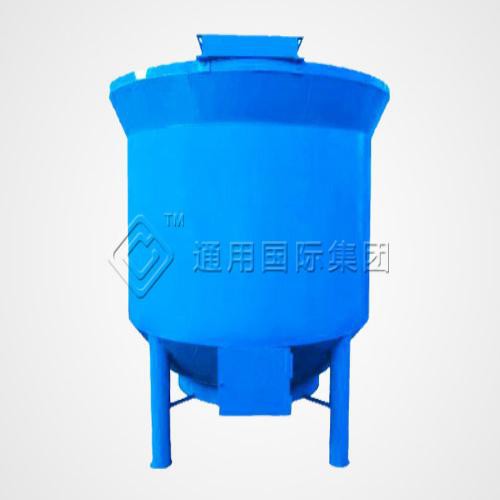
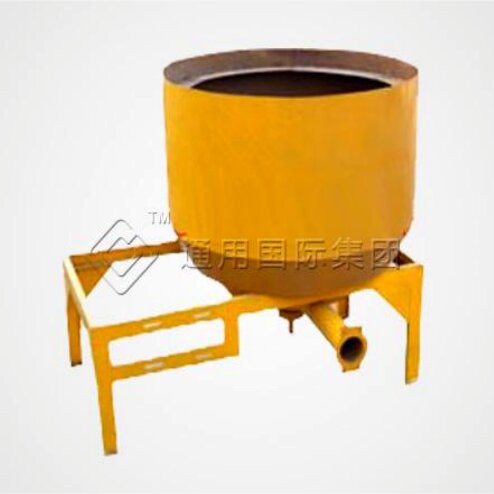
As a leading supplier of pulping machines, I've witnessed the diverse needs and inquiries from our clients. One question that often arises is about the discharging methods of pulping machines. In this blog, I'll delve into the various discharging methods, their characteristics, and how they relate to different types of pulping machines we offer, such as the Medium Pulping Machine, Standard Pulping Machine, and Mini Pulping Machine.
Gravity Discharging
Gravity discharging is one of the most basic and commonly used methods in pulping machines. It relies on the force of gravity to move the pulp from the pulping chamber to the discharge outlet. This method is simple and cost - effective, as it doesn't require additional power sources for discharging.
In a pulping machine with gravity discharging, the pulping chamber is usually designed with a sloped bottom. Once the pulping process is complete, the valve at the bottom of the chamber is opened, and the pulp flows out under the influence of gravity. This method is suitable for low - viscosity pulps that can flow easily.
For our Mini Pulping Machine, gravity discharging is often a preferred option. It is ideal for small - scale operations where simplicity and cost - efficiency are key factors. The compact design of the mini pulping machine can be easily configured with a gravity - based discharging system, allowing for a smooth and straightforward pulp discharge process.
However, gravity discharging also has its limitations. It may not be suitable for high - viscosity pulps, as they may not flow freely under gravity. In such cases, the pulp may clog the discharge outlet, leading to production delays and potential damage to the machine.
Pump - Assisted Discharging
To overcome the limitations of gravity discharging, many pulping machines are equipped with pump - assisted discharging systems. A pump is used to create a pressure difference that forces the pulp out of the pulping chamber.
There are different types of pumps that can be used in pulping machines, such as centrifugal pumps and positive displacement pumps. Centrifugal pumps are commonly used for low - viscosity pulps. They work by converting the rotational energy of the impeller into kinetic energy of the pulp, which then moves the pulp through the discharge pipe.
Positive displacement pumps, on the other hand, are more suitable for high - viscosity pulps. They work by trapping a fixed volume of pulp and then forcing it out of the chamber. This type of pump can generate higher pressures, ensuring that the pulp is discharged smoothly even if it has a high viscosity.
Our Medium Pulping Machine often utilizes pump - assisted discharging systems. Medium - scale operations usually deal with a wider range of pulp viscosities, and a pump - assisted system provides the flexibility needed to handle different types of pulps. The pump can be adjusted according to the characteristics of the pulp, ensuring efficient and reliable discharging.
The advantage of pump - assisted discharging is its ability to handle a variety of pulp viscosities. It can also be used to control the discharge rate more precisely, which is important for maintaining a consistent production process. However, the addition of a pump increases the complexity and cost of the pulping machine. It also requires regular maintenance to ensure the proper functioning of the pump.
Screw Conveyor Discharging
Screw conveyor discharging is another method used in pulping machines, especially for handling fibrous pulps. A screw conveyor consists of a rotating screw inside a trough. As the screw rotates, it moves the pulp along the trough and out of the pulping chamber.
This method is particularly effective for pulps with long fibers, as the screw can break up any clumps and ensure a continuous flow of pulp. The screw conveyor can be designed with different screw pitches and diameters to suit the specific requirements of the pulp.
Our Standard Pulping Machine may be equipped with a screw conveyor discharging system for applications where fibrous pulps are processed. The standard pulping machine is designed for medium - to - large - scale production, and the screw conveyor can handle the high volume of pulp efficiently.
One of the benefits of screw conveyor discharging is its ability to handle pulps with a high fiber content. It can also be used in conjunction with other discharging methods, such as pump - assisted discharging, to improve the overall efficiency of the discharge process. However, the screw conveyor requires regular cleaning to prevent the accumulation of pulp and fibers, which can affect its performance.
Pneumatic Discharging
Pneumatic discharging uses compressed air to move the pulp out of the pulping chamber. In this method, compressed air is introduced into the pulping chamber, creating a pressure that forces the pulp through the discharge pipe.
Pneumatic discharging is suitable for dry or semi - dry pulps. It can be a fast and efficient way to discharge pulp, especially in applications where a clean and dust - free environment is required. The use of compressed air also allows for easy control of the discharge rate and direction.
However, pneumatic discharging has some drawbacks. It requires a reliable source of compressed air, which can increase the energy consumption of the pulping machine. It may also not be suitable for wet pulps, as the moisture in the pulp can cause problems with the pneumatic system.
Choosing the Right Discharging Method
When choosing a pulping machine, it is crucial to consider the appropriate discharging method based on the characteristics of the pulp and the requirements of the production process. For small - scale operations with low - viscosity pulps, gravity discharging may be sufficient. However, for medium - to - large - scale operations or when dealing with high - viscosity or fibrous pulps, pump - assisted, screw conveyor, or pneumatic discharging methods may be more appropriate.
At our company, we understand the importance of providing our clients with the right pulping solutions. We offer a range of pulping machines, each designed with the most suitable discharging method for different applications. Our team of experts can help you evaluate your needs and select the pulping machine that best meets your requirements.
If you are interested in learning more about our pulping machines or have any questions about the discharging methods, please feel free to contact us. We are always ready to assist you in making the right choice for your pulp production needs.
References
- Smith, J. (2018). Pulping Machine Technology. Pulp Industry Journal, 25(3), 45 - 52.
- Johnson, A. (2019). Discharging Methods in Pulp Production. Manufacturing Review, 32(2), 67 - 74.
- Brown, C. (2020). Advances in Pulping Machine Design. Industrial Engineering Magazine, 40(4), 89 - 96.