

The process of seed germination is a critical stage in the life cycle of plants, and it is influenced by a multitude of factors. Among these, the role of a seedling tray mold might not be the first thing that comes to mind, but it can have a profound impact on the germination rate. As a supplier of Seedling Tray Mold, I have witnessed firsthand how the right mold can make a significant difference in the success of seed germination.
Understanding Seed Germination
Before delving into the impact of a seedling tray mold, it is essential to understand the basic process of seed germination. Seeds are essentially dormant embryos encased in a protective coat. For germination to occur, three primary conditions must be met: water, oxygen, and the appropriate temperature. When these conditions are right, the seed absorbs water, which activates enzymes within the seed. These enzymes break down stored nutrients, allowing the embryo to grow and eventually emerge from the seed coat as a young plant.
The Role of Seedling Tray Molds
Seedling tray molds are used to create trays that hold the seeds during the germination process. These molds determine the shape, size, and structure of the trays, which in turn can affect several aspects of seed germination.
1. Space and Root Development
One of the most significant ways a seedling tray mold impacts germination is through the space it provides for root development. A well - designed mold creates trays with individual cells that are appropriately sized for the seeds being planted. If the cells are too small, the roots may become cramped, leading to stunted growth and poor nutrient uptake. On the other hand, if the cells are too large, the seeds may not be able to anchor themselves properly, and the excess soil can retain too much moisture, increasing the risk of fungal diseases.
For example, when germinating small seeds like lettuce or petunia, a mold that creates small, closely spaced cells is ideal. These seeds have shallow root systems, and the small cells provide just enough space for the roots to grow without wasting soil. In contrast, larger seeds such as beans or squash require larger cells to accommodate their more extensive root systems.
2. Drainage and Aeration
Proper drainage and aeration are crucial for seed germination. A good seedling tray mold should create trays with adequate drainage holes. These holes allow excess water to escape, preventing waterlogging, which can suffocate the seeds and lead to rot. Additionally, the design of the tray can influence air circulation around the seeds. Trays with a well - ventilated structure allow oxygen to reach the seeds, which is essential for the metabolic processes involved in germination.
Some advanced Seedling Tray Mold designs incorporate features such as raised edges and channels that promote better drainage and aeration. These features ensure that the seeds are not sitting in waterlogged soil and have access to the oxygen they need to germinate successfully.
3. Temperature Regulation
The material and design of the seedling tray mold can also affect temperature regulation. Different materials have different thermal properties, which can either retain or dissipate heat. For example, plastic trays made from a mold may retain heat better than paper - pulp trays. This can be beneficial in cooler climates, as it helps to keep the seeds warm, which is often necessary for germination.
However, in warmer climates, a mold that creates trays with good heat - dissipating properties may be more suitable. Some molds are designed to create trays with thin walls or open structures that allow heat to escape, preventing the seeds from overheating.

4. Hygiene and Disease Prevention
A clean and hygienic environment is essential for seed germination. A high - quality seedling tray mold can produce trays that are easy to clean and disinfect. Trays made from smooth, non - porous materials are less likely to harbor bacteria and fungi, reducing the risk of disease transmission to the seeds.
Some molds are designed to create trays with a smooth finish, which makes them easier to clean. Additionally, certain materials used in the mold - making process can have natural antimicrobial properties, further enhancing the hygiene of the trays.
Impact on Germination Rate
The combined effects of the factors mentioned above can have a significant impact on the seed germination rate. When a seedling tray mold provides the optimal conditions for root development, drainage, aeration, temperature regulation, and hygiene, the seeds are more likely to germinate successfully.
Studies have shown that using well - designed seedling trays can increase germination rates by up to 20 - 30%. This improvement can be attributed to the fact that the seeds are provided with a more stable and favorable environment. For example, in a study comparing the germination of tomato seeds in trays made from different molds, the trays with better drainage and aeration had a significantly higher germination rate compared to those with poor design.
The Connection with Seedling Tray Making Machines
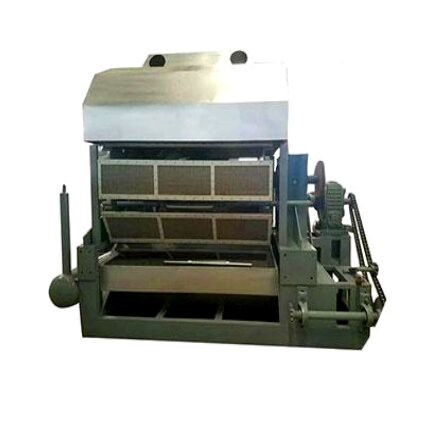
The quality of the seedling tray mold is closely related to the performance of the Seedling Tray Making Machine. A high - precision mold is essential for the machine to produce trays that meet the required specifications.
A well - made mold ensures that the machine can create trays with consistent dimensions and quality. This is important because any variation in the tray size or structure can affect the germination rate. For example, if the machine produces trays with uneven cell sizes, some seeds may not receive the optimal growing conditions, leading to a lower germination rate.
Moreover, a good mold is more durable and can withstand the repeated use and pressure exerted by the seedling tray making machine. This means that the trays produced over time will maintain their quality, ensuring a consistent germination rate for multiple batches of seeds.
Conclusion
In conclusion, a seedling tray mold plays a crucial role in determining the seed germination rate. Its impact on space for root development, drainage, aeration, temperature regulation, and hygiene can significantly influence the success of the germination process. As a supplier of Seedling Tray Mold, I understand the importance of providing high - quality molds that meet the diverse needs of our customers.
If you are involved in the seedling production industry or are a gardening enthusiast looking for the best way to improve your seed germination rates, I encourage you to consider the role of a quality seedling tray mold. Our company offers a wide range of molds and Seedling Tray Making Machine solutions to meet your specific requirements. We are committed to providing products that are designed to enhance the germination process and help you achieve better results. If you are interested in learning more about our products or would like to discuss your specific needs, please feel free to contact us for a procurement discussion.
References
- Hartmann, H. T., Kester, D. E., Davies, F. T., & Geneve, R. L. (2011). Plant Propagation: Principles and Practices. Pearson.
- Taiz, L., & Zeiger, E. (2010). Plant Physiology. Sinauer Associates.
- Various industry research reports on seedling tray design and seed germination.