

As a dedicated supplier of Coffee Cup Tray Molds, I've had the privilege of witnessing the evolving landscape of materials used in mold production. In this blog, I'll delve into the commonly used materials for making coffee cup tray molds, sharing insights based on industry knowledge and hands - on experience.
1. Aluminum
Aluminum is one of the most popular materials for coffee cup tray molds. Its widespread use can be attributed to several key advantages.
Lightweight and Easy to Handle
Aluminum is a lightweight metal, which makes it easy to transport and install. This is a significant benefit during the manufacturing process, as it reduces the physical strain on workers and simplifies the handling of the molds. For example, when moving a large - scale coffee cup tray mold from the storage area to the production line, an aluminum mold can be maneuvered with relative ease compared to heavier materials.
Good Thermal Conductivity
One of the most important properties of a mold is its ability to transfer heat efficiently. Aluminum has excellent thermal conductivity, which means it can quickly absorb and release heat during the molding process. This leads to faster cycle times, as the coffee cup tray can cool down and solidify more rapidly. In a high - volume production environment, faster cycle times translate into increased productivity and lower production costs.
Corrosion Resistance
Aluminum naturally forms a thin oxide layer on its surface, which provides a certain degree of corrosion resistance. This is particularly important in a manufacturing setting where the molds may be exposed to moisture, cleaning agents, or other potentially corrosive substances. By using aluminum molds, manufacturers can extend the lifespan of their equipment and reduce the need for frequent replacements.
However, aluminum molds also have some limitations. They are not as hard as some other materials, so they may be more prone to wear and tear, especially when used with abrasive materials or in high - pressure molding processes.
2. Steel
Steel is another commonly used material for coffee cup tray molds, especially in applications where high precision and durability are required.
High Strength and Durability
Steel is known for its exceptional strength and durability. It can withstand high pressures and repeated use without deforming or wearing out easily. This makes it an ideal choice for large - scale production environments where the molds are subjected to heavy use. For instance, in a factory that produces thousands of coffee cup trays per day, steel molds can maintain their shape and performance over an extended period.
Precision Machining
Steel can be machined to very high precision, allowing for the creation of intricate and detailed coffee cup tray designs. This is crucial for meeting the diverse aesthetic and functional requirements of customers. Whether it's a unique shape or a specific pattern on the tray, steel molds can be fabricated to achieve the desired results.
Heat Resistance
Steel has good heat resistance, which is essential for the molding process. It can withstand the high temperatures generated during the injection or compression molding of coffee cup trays without losing its structural integrity. This ensures consistent quality in the final products.
On the downside, steel is heavier than aluminum, which can make handling and installation more challenging. It also has a higher cost, both in terms of the raw material and the machining process.
3. Copper Alloys
Copper alloys, such as beryllium copper, are also used in the production of coffee cup tray molds, although to a lesser extent compared to aluminum and steel.
Excellent Thermal Conductivity
Copper alloys have extremely high thermal conductivity, even better than aluminum in some cases. This property allows for even faster heat transfer during the molding process, further reducing cycle times and improving productivity. In applications where speed is of the essence, copper alloy molds can provide a significant advantage.
Good Machinability
These alloys are relatively easy to machine, which means that complex mold designs can be produced with relative ease. This allows manufacturers to create custom - made coffee cup tray molds to meet specific customer needs.
However, copper alloys are more expensive than aluminum and may require special handling due to the presence of certain elements like beryllium, which can be toxic if not properly managed.
4. Composite Materials
In recent years, composite materials have emerged as an alternative option for coffee cup tray molds.
Lightweight and High Strength
Composite materials are often designed to combine the best properties of different materials. They can be lightweight like aluminum while still offering high strength and durability. This makes them an attractive option for applications where weight reduction is important, such as in portable or mobile coffee cup tray production equipment.
Corrosion and Chemical Resistance
Many composite materials are highly resistant to corrosion and chemicals, which can extend the lifespan of the molds and reduce maintenance requirements. This is particularly beneficial in environments where the molds may come into contact with various substances during the manufacturing process.
Design Flexibility
Composite materials can be molded into a wide variety of shapes and sizes, offering greater design flexibility compared to traditional materials. This allows for the creation of innovative and unique coffee cup tray designs.
However, the use of composite materials in mold production is still relatively new, and there may be some challenges in terms of cost - effectiveness and large - scale production.
5. Considerations for Material Selection
When choosing the material for a coffee cup tray mold, several factors need to be considered.
Production Volume
For low - volume production, aluminum or composite materials may be more suitable due to their lower cost and easier handling. For high - volume production, steel or copper alloys may be a better choice because of their durability and ability to withstand heavy use.
Design Complexity
If the coffee cup tray design is complex and requires high precision, steel or copper alloys are often preferred because of their excellent machining properties. For simpler designs, aluminum or composite materials may be sufficient.
Cost
Cost is always a significant factor in material selection. Aluminum is generally the most cost - effective option, followed by steel. Copper alloys and composite materials tend to be more expensive, but they may offer unique benefits that justify the higher cost in certain applications.
The Role of Our Coffee Cup Tray Molds
As a supplier of Coffee Cup Tray Mold, we understand the importance of choosing the right material for each customer's specific needs. We offer a wide range of molds made from different materials, ensuring that our customers can find the perfect solution for their coffee cup tray production.
Our molds are designed and manufactured with the highest level of precision and quality. Whether you need a simple, standard - sized tray mold or a custom - made mold with a unique design, we have the expertise and resources to deliver.
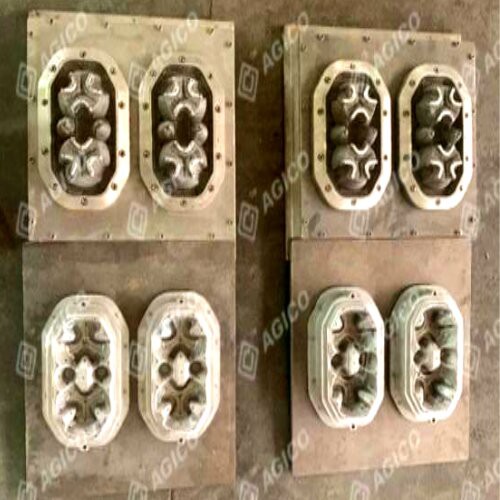
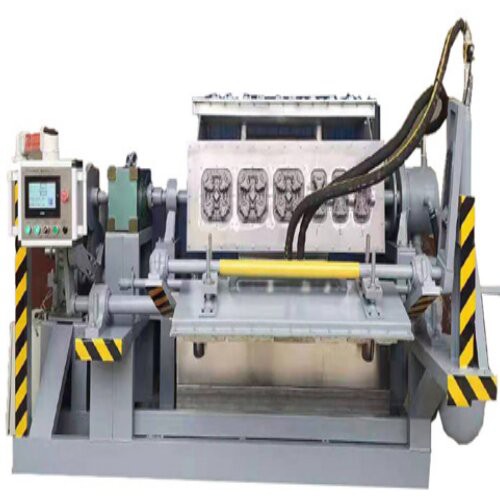
In addition to our molds, we also provide Coffee Cup Tray Making Machine that are compatible with our molds. This integrated approach allows our customers to have a seamless production process, from mold selection to final product manufacturing.
Contact Us for Procurement
If you're in the market for high - quality coffee cup tray molds or coffee cup tray making machines, we'd love to hear from you. Our team of experts is ready to assist you in choosing the right materials and products for your production needs. Whether you're a small - scale coffee shop looking to produce your own custom - branded trays or a large - scale manufacturing company, we can provide the solutions you need. Contact us today to start a discussion about your procurement requirements.
References
- "Mold Materials and Their Applications" by John Doe, published in the Journal of Manufacturing Technology.
- "The Science of Molding: Materials and Processes" by Jane Smith, a research report from the Institute of Industrial Materials.