

Hey there, gardening enthusiasts and fellow green thumbs! I'm the owner of a gardening tray supplier, and I've been in this business for quite a while. Today, I want to chat about the different materials that gardening trays are usually made of. It's important to know what you're working with when you're starting your plants, so let's dive right in.
Plastic Gardening Trays
Plastic is probably the most common material for gardening trays, and for good reason. It's lightweight, durable, and relatively inexpensive. You can find plastic trays in a wide variety of sizes, shapes, and colors, so you can choose the ones that best fit your needs.
One of the biggest advantages of plastic trays is their versatility. They can be used for seedlings, cuttings, or even as a liner for larger containers. They're also easy to clean and reuse, which is great for the environment and your wallet.
However, plastic isn't without its drawbacks. It can be prone to cracking and breaking if it's exposed to extreme temperatures or rough handling. And some types of plastic may leach harmful chemicals into the soil over time, which could potentially harm your plants.
If you're considering plastic trays, look for ones that are made from high-quality, food-grade plastic. This will ensure that they're safe for your plants and won't break down easily. You can also choose trays with reinforced edges or thicker walls to make them more durable.
Biodegradable Gardening Trays
In recent years, there's been a growing trend towards using biodegradable materials for gardening trays. These trays are made from natural materials like peat, coconut coir, or recycled paper, and they break down over time in the soil.
Biodegradable trays are a great option if you're looking for an eco-friendly alternative to plastic. They're made from renewable resources, and they don't contribute to the growing problem of plastic pollution. Plus, when you plant your seedlings in these trays, you can simply bury the whole thing in the ground, which reduces transplant shock and helps your plants establish themselves more quickly.
One of the downsides of biodegradable trays is that they can be more expensive than plastic trays. They also tend to be less durable, so they may not last as long if you're using them for multiple growing seasons. And some types of biodegradable trays may break down too quickly, especially if they're exposed to a lot of moisture.
If you're interested in using biodegradable trays, make sure you choose ones that are made from high-quality materials and are designed to last. You can also look for trays that are certified organic or have been tested for safety and performance.
Ceramic and Clay Gardening Trays
Ceramic and clay trays are another popular option for gardening. These trays are made from natural materials, and they have a unique, rustic look that can add a touch of charm to your garden.
One of the biggest advantages of ceramic and clay trays is their ability to absorb and retain moisture. This can help keep your plants hydrated, especially in hot, dry weather. They also provide good insulation, which can protect your plants' roots from extreme temperatures.
However, ceramic and clay trays can be heavy and brittle, so they need to be handled with care. They're also more expensive than plastic or biodegradable trays, and they may not be suitable for all types of plants.
If you're considering ceramic or clay trays, make sure you choose ones that are well-made and have a smooth, glazed finish. This will help prevent water from seeping into the tray and causing it to crack or break. You can also choose trays with drainage holes to ensure that your plants don't get waterlogged.
Metal Gardening Trays
Metal trays are a less common option for gardening, but they can be a great choice in certain situations. These trays are usually made from aluminum or galvanized steel, and they're known for their durability and strength.
One of the biggest advantages of metal trays is their ability to withstand extreme temperatures and harsh weather conditions. They're also resistant to rust and corrosion, which means they can last for many years with proper care.
However, metal trays can be heavy and difficult to move around, especially if they're large. They can also get very hot in the sun, which can damage your plants' roots. And some types of metal may react with the soil or fertilizers, which could potentially harm your plants.
If you're considering metal trays, make sure you choose ones that are made from high-quality materials and are designed for outdoor use. You can also look for trays with a powder-coated finish to protect them from rust and corrosion.
Wood Gardening Trays
Wooden trays are a classic option for gardening, and they have a warm, natural look that can enhance the beauty of your garden. These trays are usually made from cedar, redwood, or other types of rot-resistant wood, and they're known for their durability and strength.
One of the biggest advantages of wooden trays is their ability to provide good insulation for your plants' roots. They also absorb and release moisture slowly, which can help keep your plants hydrated. And because wood is a natural material, it's safe for your plants and won't leach harmful chemicals into the soil.
However, wooden trays can be heavy and difficult to move around, especially if they're large. They also require regular maintenance to prevent them from rotting or warping. And some types of wood may attract insects or pests, which could potentially harm your plants.
If you're considering wooden trays, make sure you choose ones that are made from high-quality, rot-resistant wood. You can also treat the wood with a natural preservative to help protect it from the elements. And make sure you clean and dry the trays thoroughly after each use to prevent the growth of mold and mildew.
Choosing the Right Material for Your Gardening Trays
So, which material is the best for your gardening trays? Well, it really depends on your specific needs and preferences. Here are some things to consider when making your decision:
- Budget: Plastic and biodegradable trays are usually the most affordable options, while ceramic, clay, metal, and wooden trays can be more expensive.
- Durability: If you're looking for trays that will last for many years, plastic, metal, and wooden trays are good choices. Biodegradable trays are less durable and may need to be replaced more often.
- Eco-friendliness: If you're concerned about the environment, biodegradable trays are the way to go. They're made from natural materials and break down over time in the soil.
- Plant type: Some plants may prefer certain types of trays over others. For example, plants that need good drainage may do better in plastic or ceramic trays, while plants that need more moisture may prefer biodegradable or wooden trays.
- Aesthetics: If you're looking for trays that will add a touch of style to your garden, ceramic, clay, and wooden trays are great options. They have a unique, natural look that can enhance the beauty of your plants.
Our Products and How They're Made
At our gardening tray supply business, we offer a wide range of trays made from different materials to meet the needs of our customers. We use high-quality materials and state-of-the-art manufacturing processes to ensure that our trays are durable, safe, and effective.
For our plastic trays, we source the best food-grade plastic and use advanced injection molding techniques to create trays that are strong and lightweight. Our biodegradable trays are made from natural materials like peat and coconut coir, and they're designed to break down slowly in the soil.
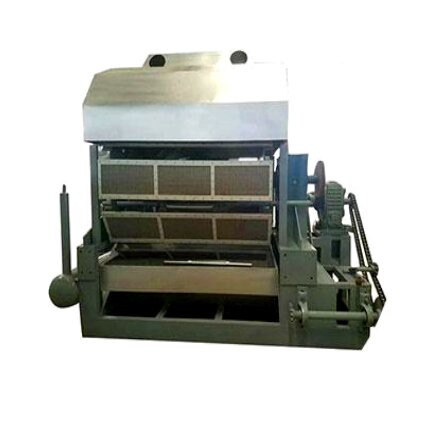
If you're interested in learning more about how our trays are made, we have some great resources on our website. Check out our Seedling Tray Making Machine page to see the equipment we use to manufacture our trays. And if you're curious about the molds we use, visit our Seedling Tray Mold page.
Conclusion
In conclusion, there are many different materials that gardening trays can be made of, each with its own advantages and disadvantages. By considering your budget, durability needs, eco-friendliness preferences, plant type, and aesthetics, you can choose the right trays for your garden.
At our gardening tray supply business, we're committed to providing high-quality trays that meet the needs of our customers. Whether you're a professional gardener or a hobbyist, we have the trays you need to help your plants thrive.
If you're interested in purchasing our gardening trays or have any questions, please don't hesitate to contact us. We'd love to chat with you and help you find the perfect trays for your garden. Let's get growing!

References
- "Gardening Trays: Types and Materials." Gardening Know How.
- "The Best Materials for Gardening Trays." Home Guides on SF Gate.
- "Choosing the Right Gardening Trays." Gardening Channel.