

Hey there! I'm a supplier of paper egg cartons, and I've been in this business for quite a while. Over the years, I've learned a ton about what safety standards these cartons need to meet. So, I thought I'd share some insights with you all.
First off, let's talk about the materials. Paper egg cartons are typically made from recycled paper pulp. This is not only eco - friendly but also cost - effective. However, the recycled paper has to come from safe sources. It shouldn't have any contaminants like heavy metals, chemicals, or harmful dyes. For example, lead is a big no - no. If there's lead in the paper, it could leach into the eggs over time, which is a huge health risk. The paper should also be free from any pesticides or other agricultural chemicals that might have been present if the paper was sourced from materials used in farming.
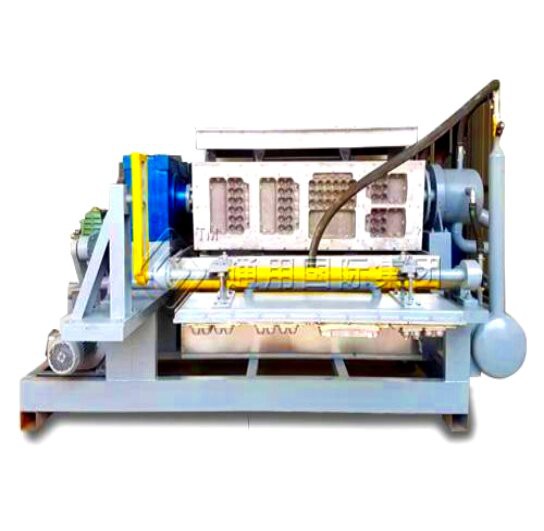
The manufacturing process is another crucial aspect. During the production of paper egg cartons, the machinery has to be clean and well - maintained. Contamination can occur if the equipment isn't properly sanitized. For instance, if there are remnants of old paper pulp or other debris in the Egg Carton Making Machine, it could mix with the new batch and affect the quality and safety of the cartons.
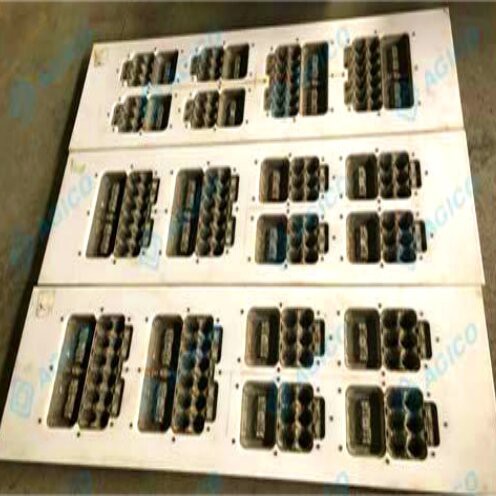
The molds used in the manufacturing process, like the Egg Carton Mold, also need to be in good condition. Any cracks or rough edges in the mold can cause the cartons to have weak spots or uneven surfaces. These weak spots might break easily, which could lead to eggs getting damaged during transportation or storage. And if the mold isn't smooth, it could leave behind small particles on the cartons, which is a potential safety hazard.
When it comes to the design of the paper egg cartons, they need to be sturdy enough to protect the eggs. The compartments should be well - defined and the right size for the eggs. For quail eggs, you'd need Quail Egg Cartons that are specifically designed to hold these smaller eggs securely. If the compartments are too big, the eggs can move around and break. On the other hand, if they're too small, the eggs might get crushed.
The cartons also need to be able to withstand normal handling and environmental conditions. They should be resistant to moisture to some extent. If the cartons get wet, they can become weak and fall apart, exposing the eggs. But at the same time, they shouldn't be treated with any harmful waterproofing agents. There are safe, eco - friendly ways to make the cartons more moisture - resistant, like using natural waxes or water - based coatings.
In terms of labeling, the cartons should have clear and accurate information. This includes details about the type of eggs they're suitable for, whether they're for chicken eggs, quail eggs, or other types. It should also have information about the manufacturing date, batch number, and any recycling instructions. This helps consumers make informed decisions and also allows for traceability in case there are any issues.
Another important safety standard is related to the packaging of the cartons themselves. When they're shipped in bulk, they need to be packed in a way that prevents damage. They should be stacked properly and protected from external forces. If the cartons are damaged during shipping, they won't be able to protect the eggs as they should.
Now, let's touch on the regulatory side. Different countries and regions have their own safety standards for paper egg cartons. In the United States, the Food and Drug Administration (FDA) has certain guidelines regarding food - contact materials, which include egg cartons. These guidelines ensure that the materials used in the cartons won't transfer any harmful substances to the eggs. In the European Union, there are also strict regulations under the EU Food Contact Materials legislation. As a supplier, I have to make sure that my products meet all these regulatory requirements to be able to sell them in different markets.
Quality control is an ongoing process. I have a team that regularly inspects the cartons at different stages of production. We check for things like the thickness of the paper, the strength of the compartments, and the overall appearance. We also do random tests to make sure that the cartons meet the safety standards. For example, we might test the moisture resistance by exposing a sample of cartons to a controlled amount of humidity and seeing how they hold up.
I know that for egg producers and retailers, safety is a top priority. You want to make sure that the eggs you're selling are protected and that the cartons are safe for consumers. That's why I'm so committed to meeting and exceeding all the safety standards. If you're in the market for high - quality, safe paper egg cartons, I'd love to have a chat with you. Whether you need Quail Egg Cartons or regular chicken egg cartons, I've got you covered. We can discuss your specific needs and how I can provide the best solutions for you.
References
- Food and Drug Administration (FDA). Regulations on food - contact materials.
- European Union. EU Food Contact Materials legislation.