

As a supplier of paper egg cartons, I often get asked a variety of questions from customers. One question that comes up quite frequently is, "Can paper egg cartons be stored outdoors?" This seemingly simple question actually involves a lot of factors that we need to consider carefully. In this blog, I'll share my insights based on my experience and relevant knowledge in the paper egg carton industry.
The Nature of Paper Egg Cartons
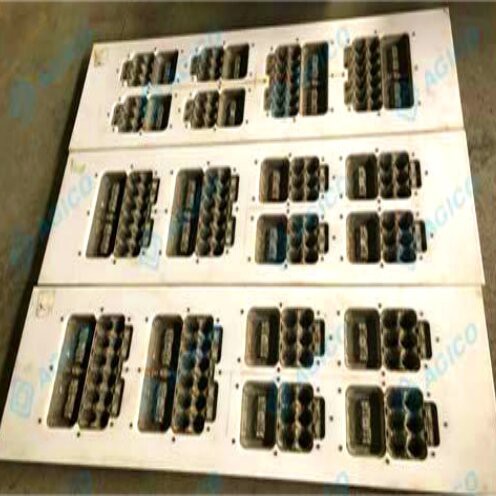
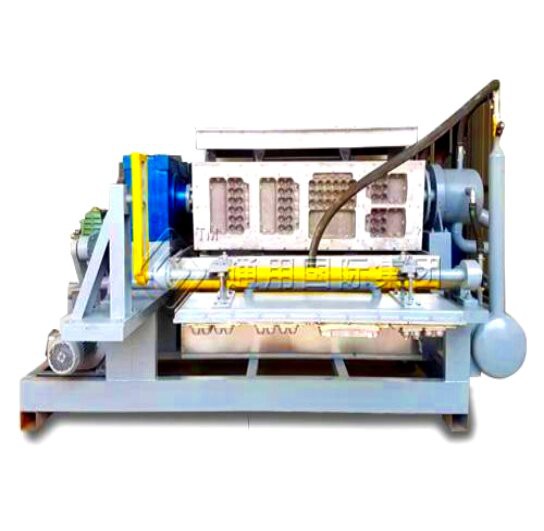
First, let's understand the basic properties of paper egg cartons. Paper egg cartons are made from recycled paper pulp. They are designed to be lightweight, eco - friendly, and cost - effective. The manufacturing process usually involves using an Egg Carton Making Machine to shape the pulp into the familiar carton structure. The Egg Carton Mold determines the size and shape of the cartons, whether they are for regular chicken eggs or Quail Egg Cartons.
Paper, as the main material, is porous and hygroscopic. This means it can absorb moisture from the surrounding environment. It is also relatively weak compared to some plastic or foam materials, and can be easily damaged by physical forces such as tearing or crushing.
Factors Affecting Outdoor Storage
Moisture
Moisture is the biggest enemy when it comes to storing paper egg cartons outdoors. Rain, snow, dew, and high humidity can all cause the cartons to absorb water. Once the cartons get wet, they lose their structural integrity. They become soft and are more likely to collapse, which makes them unsuitable for holding eggs. In addition, wet paper is a breeding ground for mold and mildew. Mold not only damages the appearance of the cartons but can also pose a health risk if it comes into contact with the eggs.
For example, in a coastal area where the air is highly humid, even without direct precipitation, the high moisture content in the air can gradually seep into the paper cartons. If the cartons are not properly protected, they can start to show signs of dampness within a few days.
Temperature
Extreme temperatures can also have a negative impact on paper egg cartons. In hot weather, the paper can become brittle and more prone to cracking. Prolonged exposure to high temperatures can cause the fibers in the paper to break down, reducing the strength of the cartons. On the other hand, in cold weather, especially when there is freezing and thawing cycles, the water absorbed by the paper can expand when it freezes, causing the cartons to warp or break.
For instance, in a desert region where the temperature can soar during the day and drop significantly at night, the constant expansion and contraction of the paper due to temperature changes can lead to structural damage over time.
Physical Damage
Outdoor storage exposes paper egg cartons to a greater risk of physical damage. Wind can blow the cartons around, causing them to collide with each other or with other objects. Animals such as rodents or birds may also be attracted to the paper and chew on the cartons. In addition, human activities in the outdoor area, such as construction work or vehicle traffic, can accidentally crush or damage the cartons.
Possible Solutions for Outdoor Storage
Proper Covering
If you have no choice but to store paper egg cartons outdoors, proper covering is essential. You can use waterproof tarps or plastic sheeting to cover the cartons. Make sure the covering is tightly secured so that it won't be blown away by the wind. The covering should extend all the way to the ground to prevent water from seeping in from the sides.
For example, you can stack the cartons on a pallets and then cover them with a large tarp. Use ropes or bungee cords to tie the tarp down firmly at the corners and along the edges.
Elevated Storage
Storing the cartons on elevated platforms can help prevent them from coming into direct contact with the ground. The ground can be a source of moisture, especially in areas with poor drainage. By elevating the cartons, you reduce the risk of water soaking up from the ground.
You can use wooden pallets or metal racks to lift the cartons off the ground. Make sure the platform is stable and level to prevent the cartons from toppling over.
Regular Inspection
Even with proper covering and elevated storage, it is important to conduct regular inspections of the stored cartons. Check for signs of moisture, mold, or physical damage. If you notice any issues, take immediate action to address them. For example, if you find a small area of mold on a carton, you can remove the affected carton to prevent the mold from spreading to the rest of the stack.
Conclusion
In general, storing paper egg cartons outdoors is not ideal due to the many risks associated with moisture, temperature, and physical damage. However, if it is necessary, with proper precautions such as covering, elevated storage, and regular inspection, it can be done to some extent.
As a paper egg carton supplier, I always recommend storing the cartons in a dry, cool, and protected indoor environment to ensure their quality and longevity. If you have any further questions about paper egg cartons, including storage, production, or customization, please feel free to contact us for a procurement discussion. We are committed to providing you with the best products and solutions.
References
- "Paper Packaging Materials: Properties and Applications" - A comprehensive book on the properties of paper used in packaging.
- Industry reports on the impact of environmental factors on paper products.
- Case studies from other paper egg carton suppliers regarding storage issues.