

Hey there! As a paper egg carton supplier, I'm super excited to take you behind the scenes and show you how these nifty little cartons are made. It's a process that combines innovation, sustainability, and a whole lot of know - how. So, let's dive right in!
Step 1: Gathering the Raw Materials
The first thing we need is the raw material, and for paper egg cartons, that's recycled paper. We source tons of old newspapers, magazines, and cardboard boxes. Using recycled paper is not only eco - friendly but also cost - effective. It gives a second life to materials that would otherwise end up in landfills.
We collect these recycled papers from various sources, like recycling centers and waste management facilities. Once we've got a good collection, we transport them to our manufacturing plant.
Step 2: Pulping the Paper
At the plant, the real action begins. We start by shredding the recycled paper into small pieces. It's like turning a big stack of old magazines into a pile of confetti. After shredding, the paper pieces go into a large pulping machine.
This machine is like a giant blender. It mixes the shredded paper with water and some chemicals. The chemicals help to break down the paper fibers and remove any ink or coatings. The result is a thick, soupy mixture called pulp. This pulp is the building block of our paper egg cartons.
Step 3: Molding the Cartons
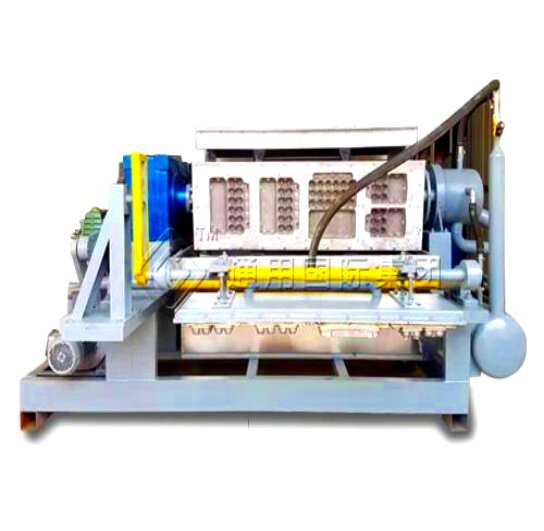
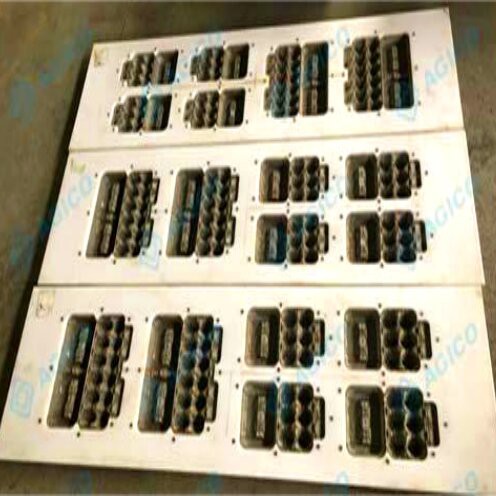
Now comes the fun part – molding the cartons. We use a special Egg Carton Mold for this step. The mold is designed to create the shape of the egg carton, with individual cups to hold each egg.
The pulp is pumped into the mold, which is usually made of metal or plastic. The mold has tiny holes in it, and a vacuum system sucks out the water from the pulp. This process helps to shape the pulp into the form of the egg carton. It's amazing to see how quickly the wet pulp transforms into a solid, recognizable egg carton shape.
Step 4: Pressing and Drying
Once the pulp is molded into the carton shape, it's still quite wet. So, we move it to a pressing machine. The pressing machine applies pressure to the wet carton, squeezing out even more water. This not only helps to dry the carton faster but also makes it stronger.
After pressing, the semi - dry cartons are transferred to a drying oven. The oven uses hot air to evaporate the remaining water. The temperature and time in the oven are carefully controlled to ensure that the cartons dry evenly and don't warp or crack. It usually takes a little while for the cartons to become completely dry and ready for the next step.
Step 5: Trimming and Quality Checking
Once the cartons are dry, they might have some rough edges or excess material. That's where the trimming process comes in. We use cutting machines to trim the edges of the cartons, giving them a clean and professional look.
After trimming, every single carton goes through a strict quality check. We look for any signs of damage, like cracks or holes. We also check the size and shape of the cartons to make sure they meet our high - quality standards. Only the cartons that pass this rigorous inspection are sent for packaging.
Step 6: Packaging
The final step in the manufacturing process is packaging. We stack the egg cartons neatly and pack them into large boxes. The boxes are labeled with information like the number of cartons inside, the size of the cartons, and our company details.
We use sturdy packaging materials to protect the cartons during transportation. This ensures that when the cartons reach our customers, they are in perfect condition and ready to be filled with fresh eggs.
Different Types of Paper Egg Cartons
We don't just make standard chicken egg cartons. We also offer Quail Egg Cartons. Quail eggs are smaller than chicken eggs, so the cartons are designed with smaller cups to fit them perfectly. These cartons are a great option for farmers and suppliers who deal with quail eggs.
The Role of Technology
Technology plays a huge role in our manufacturing process. We use advanced Egg Carton Making Machine that are highly automated. These machines can produce a large number of cartons in a short amount of time, which helps us to meet the high demand from our customers.
The machines are also very precise. They can control the amount of pulp, the pressure during pressing, and the temperature in the drying oven. This precision ensures that every egg carton we produce is of the same high quality.
Sustainability
As a paper egg carton supplier, we're really committed to sustainability. Using recycled paper is a big part of that. By recycling old paper, we reduce the demand for new trees to be cut down. This helps to protect our forests and the environment.
In addition, our manufacturing process is designed to be as energy - efficient as possible. We use modern equipment that consumes less energy and produces less waste. We also try to minimize the use of chemicals in the pulping process to reduce our environmental impact.
Why Choose Our Paper Egg Cartons
There are several reasons why our customers choose our paper egg cartons. First of all, they are made from recycled materials, which is a big plus for environmentally - conscious consumers. Second, our cartons are very strong and durable. They can protect the eggs during transportation and storage.
We also offer a wide range of sizes and styles to meet different customer needs. Whether you need a small carton for a few eggs or a large one for commercial use, we've got you covered. And our prices are very competitive, so you get great value for your money.
Contact Us for Procurement
If you're in the market for high - quality paper egg cartons, we'd love to hear from you. Whether you're a small - scale farmer, a large - scale egg supplier, or a distributor, we can provide you with the perfect cartons for your needs.
Just reach out to us, and our friendly sales team will be happy to discuss your requirements, answer your questions, and give you a quote. We're always looking for new customers to partner with, so don't hesitate to get in touch. Let's work together to keep those eggs safe and sound!
References
- Industry reports on paper pulp molding technology
- Research on sustainable packaging materials
- Internal company documentation on manufacturing processes