

As a supplier of paper egg cartons, I often get asked about the composting process of our products. Composting is an environmentally friendly way to recycle organic materials, and understanding how long it takes for a paper egg carton to compost is crucial for both consumers and businesses aiming to reduce their environmental footprint.
What Are Paper Egg Cartons Made Of?
Paper egg cartons are typically made from recycled paper materials, such as newsprint, cardboard, or other waste paper products. These materials are mixed with water to form a pulp, which is then molded into the familiar egg carton shape. The use of recycled paper not only reduces the demand for virgin wood pulp but also gives a second life to waste paper that would otherwise end up in landfills.
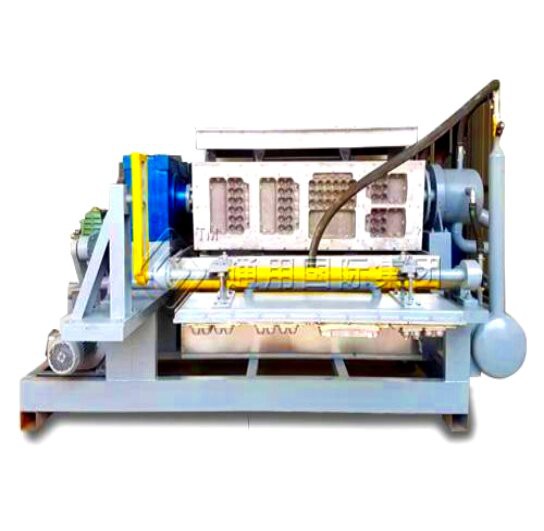
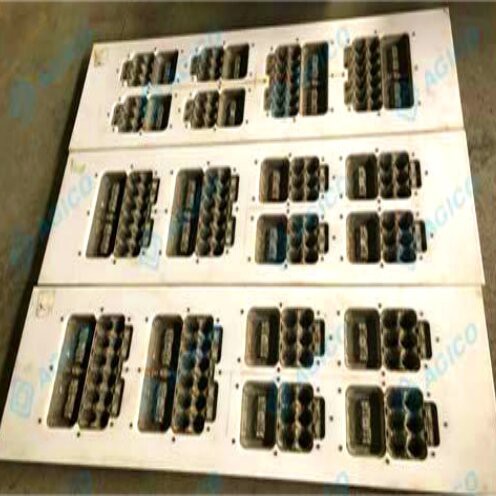
The production process of paper egg cartons involves specialized equipment. For instance, the Egg Carton Making Machine plays a vital role in shaping the pulp into the desired carton form. And the Egg Carton Mold determines the final size and design of the egg carton.
Factors Affecting Composting Time
The time it takes for a paper egg carton to compost can vary depending on several factors:
1. Composition of the Carton
The type of paper used in the carton can influence composting time. Cartons made from pure, unbleached paper will generally compost faster than those with additives, dyes, or coatings. Some egg cartons may have a thin layer of wax or plastic coating to make them more waterproof, which can significantly slow down the composting process.
2. Composting Conditions
The environment in which the composting takes place is crucial. A well - managed compost pile has the right balance of carbon (brown materials like paper egg cartons), nitrogen (green materials like grass clippings or food scraps), oxygen, and moisture.
- Temperature: Composting is a biological process driven by microorganisms. Higher temperatures within the compost pile (between 110°F - 160°F or 43°C - 71°C) can speed up the activity of these microorganisms, breaking down the paper egg carton more quickly.
- Moisture: The compost pile should be moist, like a wrung - out sponge. If it's too dry, the microorganisms will become inactive, and if it's too wet, there won't be enough oxygen, leading to anaerobic conditions that slow down decomposition.
- Aeration: Oxygen is essential for aerobic decomposition. Turning the compost pile regularly helps to introduce oxygen, promoting the growth of beneficial aerobic microorganisms.
3. Size and Shape of the Carton
Cutting the paper egg carton into smaller pieces before adding it to the compost pile can significantly reduce the composting time. Smaller pieces have a larger surface area exposed to the microorganisms, allowing for faster decomposition.
General Composting Time Estimates
Under ideal composting conditions, a paper egg carton can start to break down within a few weeks. However, complete decomposition may take anywhere from 2 to 6 months.
If the compost pile is well - maintained with the right balance of materials, proper temperature, moisture, and aeration, and the egg carton is made from pure, unbleached paper and cut into small pieces, it can compost in as little as 2 months. On the other hand, if the carton has a coating or is placed in a less - than - ideal composting environment, it may take up to 6 months or even longer.
Benefits of Composting Paper Egg Cartons
Composting paper egg cartons offers several benefits:
1. Environmental Conservation
By composting paper egg cartons, we reduce the amount of waste sent to landfills. Landfills are a major source of methane emissions, a potent greenhouse gas. Composting diverts organic materials from landfills, helping to mitigate climate change.
2. Soil Enrichment
The resulting compost is a valuable soil amendment. It improves soil structure, increases water - holding capacity, and provides essential nutrients for plants. This can lead to healthier plants and more productive gardens.
3. Closing the Recycling Loop
As a paper egg carton supplier, I'm committed to promoting a circular economy. Composting our products allows us to close the loop, turning waste back into a useful resource.
Tips for Composting Paper Egg Cartons
If you're planning to compost paper egg cartons, here are some tips to ensure a successful composting process:
- Check for Coatings: Before adding the egg carton to the compost pile, check if it has any wax or plastic coatings. If it does, try to remove as much of the coating as possible or use a different method of disposal.
- Shred or Cut the Carton: As mentioned earlier, cutting the carton into small pieces will speed up decomposition. You can use scissors or a shredder to break it down.
- Balance the Compost Pile: Add the paper egg carton to a well - balanced compost pile with plenty of green materials. Aim for a carbon - to - nitrogen ratio of about 30:1.
- Monitor the Compost: Regularly check the temperature, moisture, and aeration of the compost pile. Make adjustments as needed to keep the composting process on track.
Conclusion
In conclusion, the time it takes for a paper egg carton to compost depends on various factors, including the composition of the carton, composting conditions, and the size and shape of the carton. Under ideal conditions, it can compost within 2 to 6 months.
As a paper egg carton supplier, I encourage consumers and businesses to compost our products. Not only does it help protect the environment, but it also enriches the soil and contributes to a more sustainable future.
If you're interested in purchasing our high - quality paper egg cartons or learning more about our production process, we welcome you to contact us for procurement discussions. We're dedicated to providing the best products and solutions to meet your needs.
References
- Composting Basics, Environmental Protection Agency
- The Science of Composting, University of California Agriculture and Natural Resources