

Mold release issues in an egg carton mold can be a significant headache for manufacturers. As a trusted Egg Carton Mold supplier, I've witnessed firsthand the challenges that these issues can pose. In this blog, I'll share some insights and strategies on how to effectively deal with mold release problems to ensure smooth production processes and high - quality egg cartons.
Understanding the Causes of Mold Release Issues
Before we can address the mold release issues, it's essential to understand what causes them. One of the primary reasons is the build - up of residue on the mold surface. Over time, pulp fibers, additives, and other substances can accumulate, creating a sticky layer that makes it difficult for the egg cartons to be released.
Another common cause is improper mold design. If the mold has sharp corners, undercuts, or insufficient draft angles, the egg cartons may get stuck during the release process. Additionally, the material of the mold itself can play a role. Some materials may have a higher affinity for the pulp, leading to poor release characteristics.
Regular Cleaning and Maintenance
Regular cleaning is the first line of defense against mold release problems. A clean mold surface reduces the chances of residue build - up and ensures smooth demolding. We recommend establishing a strict cleaning schedule based on the production volume. For high - volume production, daily or weekly cleaning may be necessary.
When cleaning the egg carton mold, use appropriate cleaning agents. Avoid using abrasive materials that can damage the mold surface. Instead, opt for mild detergents or specialized cleaning solutions designed for pulp molding molds. After cleaning, thoroughly rinse the mold to remove all traces of the cleaning agent.
In addition to cleaning, regular maintenance of the mold is crucial. Inspect the mold for any signs of wear and tear, such as cracks or dents. These defects can affect the mold's performance and lead to release issues. If any problems are detected, repair or replace the damaged parts promptly.
Surface Treatment of the Mold
Surface treatment can significantly improve the mold release properties of an egg carton mold. One popular method is applying a non - stick coating to the mold surface. There are various types of non - stick coatings available, such as Teflon - based coatings. These coatings create a smooth, low - friction surface that allows the egg cartons to be easily released.
However, when applying a non - stick coating, it's important to follow the manufacturer's instructions carefully. The coating should be applied evenly and at the correct thickness. Improper application can lead to peeling or flaking of the coating, which can cause more problems in the long run.
Another surface treatment option is polishing the mold surface. A polished surface reduces friction and makes it easier for the egg cartons to slide out of the mold. Polishing can be done using specialized polishing tools and techniques. It's a relatively simple and cost - effective way to enhance the mold's release performance.
Optimizing the Mold Design
As mentioned earlier, improper mold design can contribute to mold release issues. Therefore, optimizing the mold design is essential. When designing an egg carton mold, ensure that it has sufficient draft angles. Draft angles are the slopes on the vertical walls of the mold cavity that allow the egg carton to be easily removed.
The recommended draft angle for egg carton molds is typically between 1 - 3 degrees. This angle may vary depending on the size and shape of the egg carton. Additionally, avoid sharp corners and undercuts in the mold design. These features can trap the egg cartons and make demolding difficult.
We also offer customized mold design services. If you're facing persistent mold release issues with your current mold, our team of experts can analyze your requirements and design a new mold that is optimized for easy release. For more information on our mold design services, you can visit our Egg Carton Mold page.
Adjusting the Production Process
The production process can also have an impact on mold release. One factor to consider is the moisture content of the pulp. If the pulp is too wet, the egg cartons may stick to the mold. On the other hand, if the pulp is too dry, the egg cartons may crack or break during demolding. Therefore, it's important to maintain the optimal moisture content of the pulp.
The pressure and temperature during the molding process also play a role. Excessive pressure can cause the egg cartons to adhere more tightly to the mold, while incorrect temperature can affect the curing of the pulp. Monitor and adjust these parameters regularly to ensure consistent production quality and easy mold release.
Using Release Agents
Release agents can be a useful tool in dealing with mold release issues. These agents are applied to the mold surface before each molding cycle to facilitate the release of the egg cartons. There are different types of release agents available, such as water - based and oil - based release agents.
Water - based release agents are environmentally friendly and easy to clean. They are suitable for most egg carton molding applications. Oil - based release agents, on the other hand, provide better lubrication but may require more thorough cleaning to prevent residue build - up.
When using a release agent, apply it evenly to the mold surface. Follow the manufacturer's instructions regarding the application method and dosage. Over - application of the release agent can lead to a greasy finish on the egg cartons, while under - application may not provide sufficient release.
Training the Operators
Proper training of the operators is often overlooked but is crucial for dealing with mold release issues. Operators should be educated on the correct operating procedures for the egg carton molding machine and the mold. They should know how to clean, maintain, and operate the mold to ensure optimal performance.
Training should also cover how to identify and troubleshoot mold release problems. Operators should be able to recognize the early signs of release issues, such as sticking or tearing of the egg cartons, and take appropriate action. By empowering the operators with the necessary knowledge and skills, you can minimize the occurrence of mold release problems and improve overall production efficiency.
Conclusion
Dealing with mold release issues in an egg carton mold requires a comprehensive approach. By understanding the causes, implementing regular cleaning and maintenance, optimizing the mold design, and using appropriate techniques such as surface treatment and release agents, you can effectively overcome these challenges.
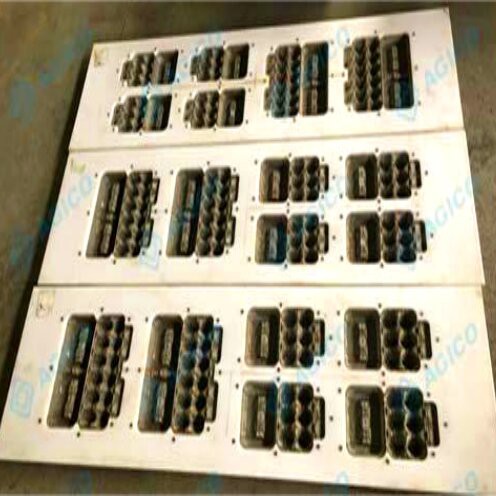
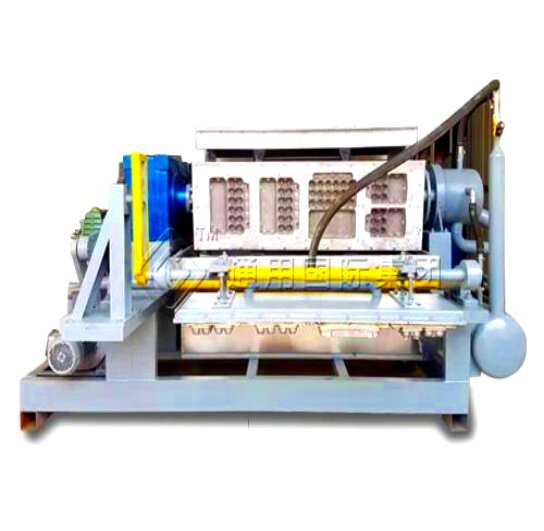
As a leading Egg Carton Mold supplier, we are committed to providing high - quality molds and comprehensive solutions to our customers. Whether you need a new egg carton mold, assistance with mold design, or advice on dealing with mold release issues, we're here to help.
If you're interested in our Quail Egg Cartons or Egg Carton Making Machine, please feel free to contact us for more information. We look forward to discussing your specific requirements and helping you achieve seamless egg carton production.
References
- Pulp Molding Technology Handbook.
- Industry reports on egg carton manufacturing.