

Hey there! As a supplier of Egg Carton Mold, I've spent a good amount of time thinking about how to optimize the design of these molds. In this blog, I'll share some tips and insights that I've gathered over the years.
Understanding the Basics
First off, let's talk about what an egg carton mold is and what it does. An egg carton mold is a crucial tool in the production of egg cartons. It shapes the pulp into the familiar carton structure that we see in grocery stores every day. The design of the mold directly affects the quality, functionality, and cost - effectiveness of the egg cartons produced.
There are different types of egg cartons, like Quail Egg Cartons and regular chicken egg cartons. Each type requires a specific mold design to accommodate the size and shape of the eggs.
Factors to Consider in Design Optimization
Egg Protection
The primary function of an egg carton is to protect the eggs. So, the mold design should ensure that the compartments in the carton are the right size and shape to hold the eggs securely. For example, the depth of the egg cups should be sufficient to prevent the eggs from bouncing around during transportation. A well - designed mold will create compartments that cradle the eggs gently, reducing the risk of breakage.

Material Usage
Optimizing the design can also help in reducing the amount of pulp used per carton. This not only saves on material costs but also has environmental benefits. By using advanced CAD (Computer - Aided Design) software, we can create molds that use less material while still maintaining the structural integrity of the carton. For instance, we can design thinner walls in areas where they don't affect the egg's protection, without sacrificing the carton's strength.
Production Efficiency
The design of the egg carton mold can have a big impact on production efficiency. A mold that is easy to clean and maintain will reduce downtime in the production process. Also, the mold should be designed in a way that allows for quick and smooth ejection of the formed cartons. If the cartons get stuck in the mold, it can slow down the entire production line. Additionally, multi - cavity molds can be designed to produce multiple cartons at once, increasing the output per cycle.
Stackability
Egg cartons need to be stackable for easy storage and transportation. The mold should create cartons with a design that allows them to stack neatly on top of each other without toppling over. This can be achieved by designing the edges and corners of the carton in a way that provides stability when stacked.
Design Techniques for Optimization
3D Modeling
3D modeling is a game - changer in mold design. It allows us to visualize the final product in a virtual environment before actually manufacturing the mold. We can test different designs, make adjustments, and analyze how the mold will perform during production. With 3D modeling, we can also simulate the flow of pulp in the mold, ensuring that it fills all the compartments evenly.
Prototyping
Once we have a 3D model, we can create prototypes of the egg carton mold. Prototyping helps us to test the actual performance of the design. We can produce a small batch of egg cartons using the prototype mold and check for any issues such as egg breakage, uneven filling, or problems with ejection. Based on the results of the prototyping, we can make further improvements to the design.
Collaboration with Manufacturers
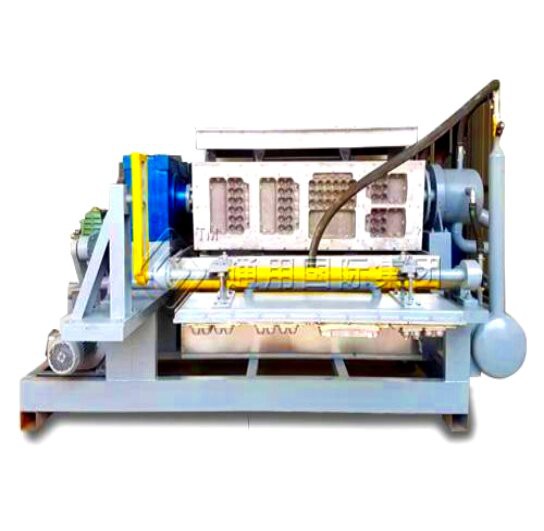
As a mold supplier, it's essential to collaborate closely with the manufacturers of Egg Carton Making Machine. The mold needs to be compatible with the machine's specifications. By working together, we can ensure that the mold design takes into account the capabilities and limitations of the production equipment. For example, if the machine has a specific speed or pressure range, the mold design can be optimized to work best within those parameters.
Testing and Quality Control
After the mold is manufactured, thorough testing is necessary. We need to test the mold for its durability, accuracy, and the quality of the egg cartons it produces. Quality control measures should be in place to ensure that each carton meets the required standards. This includes checking the dimensions of the compartments, the strength of the carton walls, and the overall appearance of the carton.
Cost - Benefit Analysis
When optimizing the design of an egg carton mold, it's important to conduct a cost - benefit analysis. While some design improvements may require an initial investment, they can lead to long - term savings. For example, a more efficient mold design that reduces material usage and increases production speed may have a higher upfront cost but will result in lower production costs over time.
Staying Up - to - Date with Industry Trends
The egg carton industry is constantly evolving. New materials, production techniques, and consumer demands are emerging all the time. As a mold supplier, we need to stay up - to - date with these trends. For example, there is a growing demand for eco - friendly egg cartons made from recycled materials. Our mold designs should be able to accommodate these new materials and production methods.
Conclusion
Optimizing the design of an egg carton mold is a complex but rewarding process. By considering factors such as egg protection, material usage, production efficiency, stackability, and collaborating with manufacturers, we can create molds that produce high - quality egg cartons at a lower cost.
If you're in the market for an egg carton mold or have any questions about mold design optimization, feel free to reach out. We're always happy to discuss your specific needs and find the best solution for you.
References
- Industry reports on egg carton production and mold design
- Research papers on materials and manufacturing processes for egg cartons
- Interviews with egg carton manufacturers and industry experts