

When it comes to gardening, the choice of the right tools and equipment can significantly impact the success of your plants. One such essential item is the large gardening tray. As a leading gardening tray supplier, I've had the privilege of witnessing firsthand how these trays can transform the gardening experience for both amateur enthusiasts and professional growers. In this blog, I'll delve into the capacity of a large gardening tray, exploring its various aspects and highlighting its importance in the world of gardening.
Understanding the Basics of Gardening Trays
Before we dive into the capacity of large gardening trays, let's first understand what they are and their primary functions. Gardening trays are containers designed to hold soil, seedlings, or plants. They come in various sizes, shapes, and materials, each tailored to specific gardening needs. Large gardening trays, in particular, are ideal for starting multiple seedlings at once, propagating cuttings, or growing small plants.
The capacity of a gardening tray refers to the amount of soil or growing medium it can hold, as well as the number of seedlings or plants it can accommodate. This capacity is determined by several factors, including the tray's dimensions, depth, and design.
Dimensions and Volume
The most obvious factor influencing the capacity of a large gardening tray is its dimensions. Trays can vary widely in length, width, and depth, which directly affects the volume of soil they can hold. For example, a tray that measures 24 inches in length, 12 inches in width, and 3 inches in depth will have a larger capacity than a tray that measures 18 inches by 10 inches by 2 inches.
To calculate the volume of a rectangular gardening tray, you can use the formula: Volume = Length x Width x Depth. For instance, the first tray mentioned above would have a volume of 24 x 12 x 3 = 864 cubic inches. This volume represents the maximum amount of soil or growing medium the tray can hold.
However, it's important to note that the actual usable capacity may be slightly less due to factors such as the thickness of the tray walls and any dividers or compartments within the tray.
Number of Seedlings or Plants
In addition to the volume of soil, the capacity of a large gardening tray can also be measured by the number of seedlings or plants it can accommodate. This depends on the size of the individual cells or compartments within the tray, as well as the spacing requirements of the plants.
Many large gardening trays are divided into individual cells, each designed to hold a single seedling or plant. The size of these cells can vary, with common dimensions ranging from 1 inch to 3 inches in diameter. For example, a tray with 72 cells, each measuring 2 inches in diameter, can hold up to 72 seedlings.
When determining the number of plants a tray can hold, it's crucial to consider the spacing requirements of the specific plants you're growing. Some plants, such as lettuce or herbs, can be planted closely together, while others, like tomatoes or peppers, require more space to grow and develop properly.
Types of Large Gardening Trays and Their Capacities
There are several types of large gardening trays available on the market, each with its own unique capacity and features. Here are some of the most common types:
- Seedling Trays: These trays are specifically designed for starting seeds. They typically have small, individual cells that provide a controlled environment for each seedling. Seedling trays can come in various sizes, with capacities ranging from a few dozen to several hundred seedlings. For example, a standard 1020 seedling tray (measuring 10 inches by 20 inches) with 72 cells can hold up to 72 seedlings.
- Propagation Trays: Propagation trays are used for rooting cuttings and propagating new plants. They often have a larger, open design with no individual cells, allowing for more flexibility in arranging the cuttings. The capacity of a propagation tray depends on its size and the spacing of the cuttings. A large propagation tray measuring 24 inches by 18 inches can hold dozens of cuttings.
- Grow Trays: Grow trays are designed for growing plants to maturity. They are usually deeper and have a larger capacity than seedling or propagation trays. Grow trays can be used for a variety of plants, including vegetables, flowers, and herbs. A large grow tray measuring 36 inches by 24 inches and 6 inches deep can hold a significant amount of soil and support multiple plants.
Importance of Choosing the Right Capacity
Selecting the right capacity for your gardening tray is crucial for the health and growth of your plants. If the tray is too small, the plants may become root-bound, which can stunt their growth and lead to poor yields. On the other hand, if the tray is too large, it may be difficult to maintain proper moisture levels and nutrient distribution, which can also affect the plants' health.
When choosing a gardening tray, consider the following factors:
- Type of Plants: Different plants have different space and soil requirements. Research the specific needs of the plants you want to grow and choose a tray that can accommodate them.
- Growth Stage: If you're starting seeds, a tray with smaller cells may be sufficient. However, if you're growing plants to maturity, you'll need a tray with a larger capacity.
- Available Space: Consider the amount of space you have in your garden or growing area. Make sure the tray you choose fits comfortably in the available space.
Our Gardening Tray Offerings
As a gardening tray supplier, we offer a wide range of large gardening trays to meet the diverse needs of our customers. Our trays are made from high-quality materials, ensuring durability and longevity. We also offer trays with different capacities, sizes, and designs to suit various gardening applications.
Whether you're a home gardener looking to start a few seedlings or a commercial grower in need of large quantities of trays, we have the perfect solution for you. Our team of experts is always available to provide advice and guidance on choosing the right tray for your specific needs.
If you're interested in learning more about our gardening trays or have any questions, please don't hesitate to contact us. We'd be happy to assist you in finding the perfect tray for your gardening project.
Related Products for Gardening Tray Production
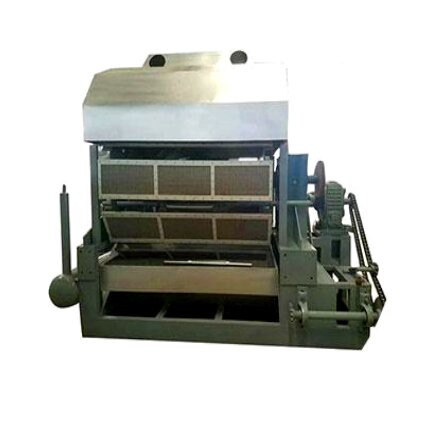
In addition to our gardening trays, we also offer a range of related products that can enhance your gardening experience. For those interested in producing their own gardening trays, we recommend checking out our Seedling Tray Making Machine and Seedling Tray Mold. These products are designed to help you create high-quality gardening trays at a fraction of the cost.
Conclusion
The capacity of a large gardening tray is an important factor to consider when planning your gardening project. By understanding the dimensions, volume, and number of seedlings or plants a tray can hold, you can choose the right tray for your specific needs. As a gardening tray supplier, we are committed to providing our customers with high-quality trays and excellent customer service. If you're interested in purchasing our gardening trays or have any questions, please contact us today. We look forward to helping you achieve your gardening goals.

References
- "The Complete Guide to Starting Seeds Indoors" by National Gardening Association
- "Gardening for Beginners" by Better Homes & Gardens