

As a seasoned supplier of pulping machines, I understand the critical role that temperature control plays in the pulping process. Maintaining the optimal temperature is essential for ensuring high-quality pulp production, maximizing efficiency, and extending the lifespan of your equipment. In this blog post, I'll share some valuable insights and practical tips on how to control the temperature in a pulping machine effectively.
Understanding the Importance of Temperature in Pulping
Before delving into the methods of temperature control, it's crucial to understand why temperature matters in the pulping process. The temperature affects various aspects of pulping, including the chemical reactions, fiber properties, and the overall quality of the pulp.
- Chemical Reactions: Many pulping processes involve chemical reactions that are highly temperature-dependent. For example, in the kraft pulping process, the reaction between wood chips and the cooking liquor (a mixture of sodium hydroxide and sodium sulfide) is accelerated at higher temperatures. However, excessive heat can also lead to unwanted side reactions, such as the degradation of cellulose and hemicellulose, which can reduce the strength and quality of the pulp.
- Fiber Properties: Temperature also influences the physical and chemical properties of the wood fibers. At higher temperatures, the fibers become more flexible and easier to separate, which can improve the pulp yield and reduce the energy consumption during the pulping process. However, if the temperature is too high, the fibers can become damaged, leading to a decrease in the pulp strength and quality.
- Pulp Quality: The temperature during pulping can have a significant impact on the final quality of the pulp. For instance, the brightness, strength, and cleanliness of the pulp are all affected by the temperature. By controlling the temperature, you can optimize these properties and produce pulp that meets the specific requirements of your customers.
Factors Affecting Temperature in a Pulping Machine
Several factors can affect the temperature in a pulping machine, including the type of pulping process, the raw materials used, the equipment design, and the operating conditions. Understanding these factors is essential for implementing effective temperature control strategies.
- Pulping Process: Different pulping processes require different temperature ranges. For example, the kraft pulping process typically operates at temperatures between 160°C and 180°C, while the sulfite pulping process operates at lower temperatures, between 130°C and 150°C. The choice of pulping process will depend on the type of raw materials, the desired pulp quality, and the available equipment.
- Raw Materials: The type and quality of the raw materials used in pulping can also affect the temperature. For example, hardwoods generally require higher temperatures than softwoods to achieve the same level of delignification. Additionally, the moisture content of the raw materials can influence the heat transfer during the pulping process.
- Equipment Design: The design of the pulping machine can have a significant impact on the temperature control. For example, the size and shape of the digester, the type of heating system, and the insulation of the equipment can all affect the heat transfer and the temperature distribution inside the machine.
- Operating Conditions: The operating conditions, such as the flow rate of the cooking liquor, the pressure inside the digester, and the residence time of the wood chips, can also affect the temperature in the pulping machine. By optimizing these operating conditions, you can ensure that the temperature is maintained within the desired range.
Methods of Temperature Control in a Pulping Machine
There are several methods that can be used to control the temperature in a pulping machine, including the use of heating systems, cooling systems, and temperature sensors. Each method has its advantages and disadvantages, and the choice of method will depend on the specific requirements of your pulping process.
- Heating Systems: Heating systems are used to raise the temperature of the cooking liquor and the wood chips inside the pulping machine. There are several types of heating systems available, including direct heating, indirect heating, and steam injection. Direct heating involves heating the cooking liquor directly using a burner or an electric heater. Indirect heating involves using a heat exchanger to transfer heat from a hot fluid (such as steam or hot water) to the cooking liquor. Steam injection involves injecting steam directly into the cooking liquor to raise its temperature.
- Cooling Systems: Cooling systems are used to lower the temperature of the cooking liquor and the wood chips inside the pulping machine. There are several types of cooling systems available, including water cooling, air cooling, and refrigeration. Water cooling involves circulating water through a heat exchanger to remove heat from the cooking liquor. Air cooling involves using a fan to blow air over the cooking liquor to remove heat. Refrigeration involves using a refrigeration system to cool the cooking liquor to a lower temperature.
- Temperature Sensors: Temperature sensors are used to monitor the temperature inside the pulping machine and provide feedback to the control system. There are several types of temperature sensors available, including thermocouples, resistance temperature detectors (RTDs), and infrared sensors. Thermocouples are the most commonly used temperature sensors in pulping machines because they are reliable, accurate, and inexpensive. RTDs are more accurate than thermocouples but are also more expensive. Infrared sensors are non-contact sensors that can measure the temperature of the cooking liquor and the wood chips without coming into contact with them.
Best Practices for Temperature Control in a Pulping Machine
In addition to using the appropriate heating, cooling, and temperature sensing equipment, there are several best practices that you can follow to ensure effective temperature control in your pulping machine.
- Regular Maintenance: Regular maintenance of your pulping machine is essential for ensuring optimal performance and temperature control. This includes cleaning the equipment, inspecting the heating and cooling systems, and replacing any worn or damaged parts.
- Calibration of Temperature Sensors: Temperature sensors should be calibrated regularly to ensure accurate temperature measurement. This involves comparing the readings of the temperature sensors to a known standard and adjusting the sensors if necessary.
- Monitoring and Control: Continuous monitoring of the temperature inside the pulping machine is essential for ensuring that the temperature is maintained within the desired range. This can be done using a temperature control system that automatically adjusts the heating and cooling systems based on the temperature readings.
- Training of Operators: Proper training of operators is essential for ensuring that they understand the importance of temperature control and how to operate the pulping machine safely and effectively. This includes training on the use of the heating and cooling systems, the temperature sensors, and the control system.
Choosing the Right Pulping Machine for Your Needs
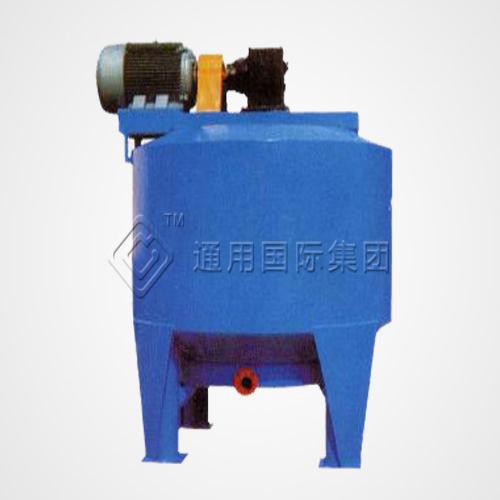
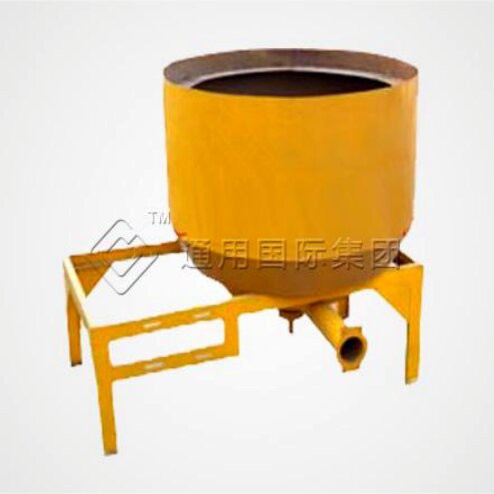
As a pulping machine supplier, we offer a wide range of pulping machines to meet the specific needs of our customers. Our Medium Pulping Machine is suitable for small to medium-sized pulp mills, while our Large Pulping Machine is designed for large-scale pulp production. We also offer a Mini Pulping Machine for research and development purposes or for small-scale pulp production.
When choosing a pulping machine, it's important to consider several factors, including the type of pulping process, the raw materials used, the desired pulp quality, and the production capacity. Our team of experts can help you choose the right pulping machine for your needs and provide you with the necessary support and training to ensure that your pulping process runs smoothly and efficiently.
Conclusion
Temperature control is a critical aspect of the pulping process that can have a significant impact on the quality, efficiency, and profitability of your pulp production. By understanding the importance of temperature in pulping, the factors affecting temperature in a pulping machine, and the methods of temperature control, you can implement effective temperature control strategies to optimize your pulping process.
As a leading supplier of pulping machines, we are committed to providing our customers with high-quality equipment and excellent customer service. If you have any questions or need more information about our pulping machines or temperature control solutions, please don't hesitate to contact us. We look forward to working with you to help you achieve your pulp production goals.
References
- Smook, G. A. (2016). Handbook for Pulp & Paper Technologists. Angus Wilde Publications.
- Gullichsen, J., & Fogelholm, C. J. (Eds.). (2000). Chemical Pulping. John Wiley & Sons.
- Sixta, H. (Ed.). (2006). Handbook of Pulp. Wiley-VCH.