

The moisture content of pulp produced by a pulping machine is a crucial factor that significantly impacts the quality and usability of the final pulp product. As a leading supplier of pulping machines, we understand the importance of this parameter and its implications for various industries that rely on pulp. In this blog, we will delve into the concept of pulp moisture content, its influencing factors, and how our range of pulping machines, including the Large Pulping Machine, Mini Pulping Machine, and Standard Pulping Machine, can help achieve optimal moisture levels.
Understanding Pulp Moisture Content
Pulp moisture content refers to the amount of water present in the pulp, usually expressed as a percentage of the total weight of the pulp sample. It is a key characteristic that affects the physical and chemical properties of the pulp, such as its strength, flexibility, and ability to absorb dyes and chemicals. Different applications require different moisture contents. For example, pulp used in the production of paper products typically needs to have a relatively low moisture content to ensure proper drying and processing on paper machines. On the other hand, pulp used in some specialty applications, like certain types of packaging materials, may tolerate a higher moisture content.
Factors Influencing Pulp Moisture Content
Raw Material
The type and condition of the raw material used in the pulping process play a significant role in determining the moisture content of the resulting pulp. Wood chips, for instance, can have varying moisture levels depending on the species of wood, the time of harvest, and the storage conditions. Hardwoods generally have a different moisture - holding capacity compared to softwoods. If the raw material has a high initial moisture content, it will likely result in pulp with a higher moisture content, all other factors being equal.
Pulping Process
The specific pulping method employed also affects the moisture content. Chemical pulping processes, such as the kraft process or the sulfite process, involve the use of chemicals to break down the lignin in the wood fibers. These processes can lead to different moisture retention in the pulp compared to mechanical pulping processes, which rely on physical forces to separate the fibers. In mechanical pulping, the fibers may retain more water due to the mechanical action, while chemical pulping can sometimes result in a more dewatered pulp depending on the chemical reactions and the subsequent washing steps.
Equipment and Operating Conditions
The design and operation of the pulping machine are critical factors. Our Large Pulping Machine is engineered with advanced dewatering mechanisms that can effectively reduce the moisture content of the pulp. The speed of the machine, the pressure applied during the pulping and dewatering stages, and the temperature of the process all influence how much water is removed from the pulp. For example, higher operating temperatures can increase the evaporation rate of water from the pulp, leading to a lower moisture content.
Measuring Pulp Moisture Content
Accurately measuring the moisture content of pulp is essential for quality control. There are several methods available for this purpose. One common method is the oven - drying method, where a sample of the pulp is weighed, dried in an oven at a specific temperature until a constant weight is achieved, and then re - weighed. The difference in weight before and after drying is used to calculate the moisture content. Another method is the use of moisture meters, which can provide quick and non - destructive measurements. These meters work based on principles such as electrical conductivity or capacitance, which are affected by the amount of water in the pulp.
Optimal Moisture Content for Different Applications
Paper Production
In the paper industry, the optimal moisture content of pulp typically ranges from 6% to 12%. A lower moisture content in the pulp helps to reduce the energy required for drying on the paper machine and improves the strength and smoothness of the final paper product. If the moisture content is too high, it can lead to problems such as wrinkling, poor printability, and longer drying times. Our Standard Pulping Machine is well - suited for producing pulp with the appropriate moisture content for paper production, thanks to its precise control over the pulping and dewatering processes.
Packaging Materials
For packaging materials, the acceptable moisture content can be slightly higher, usually in the range of 10% to 18%. Packaging materials need to have a certain degree of flexibility and resilience, and a slightly higher moisture content can contribute to these properties. Our Mini Pulping Machine can be adjusted to produce pulp with the right moisture content for various packaging applications, making it a versatile choice for small - scale producers.
How Our Pulping Machines Control Pulp Moisture Content
Our pulping machines are designed with state - of the - art technology to ensure precise control over the moisture content of the pulp. The Large Pulping Machine features a multi - stage dewatering system that gradually reduces the moisture content of the pulp as it progresses through the machine. It is equipped with adjustable pressure rollers and screens that can be optimized according to the desired moisture level.
The Mini Pulping Machine is ideal for small - scale operations where flexibility and ease of use are important. It has a compact design but still offers effective moisture control. The machine allows operators to adjust the speed and pressure settings to achieve the desired moisture content for different types of pulp.
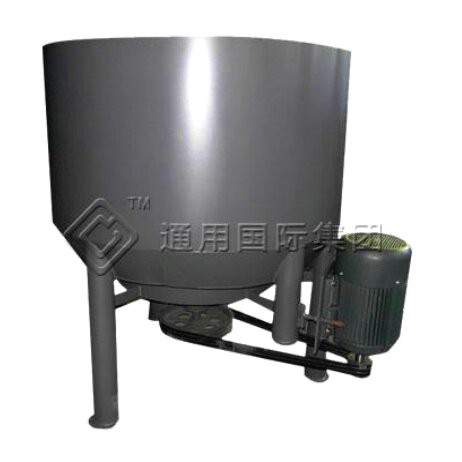
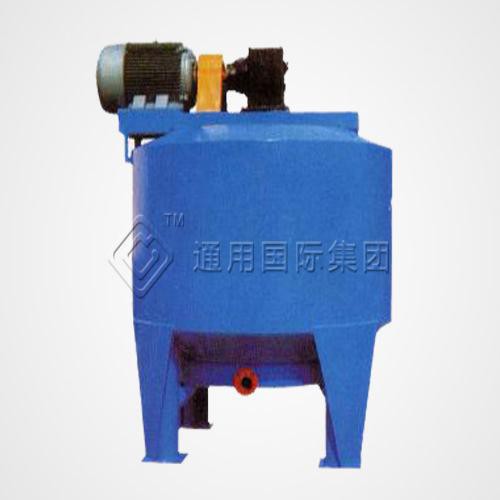
The Standard Pulping Machine strikes a balance between capacity and performance. It is designed to handle a wide range of raw materials and produce pulp with consistent moisture content. The machine's control system monitors and adjusts the process parameters in real - time to ensure that the pulp meets the specified moisture requirements.
Importance of Controlling Pulp Moisture Content
Controlling the moisture content of pulp is not only important for the quality of the final product but also for the efficiency of the production process. A well - controlled moisture content can reduce energy consumption during the drying process, minimize waste, and improve the overall productivity of the pulp and paper mill. Moreover, it can enhance the competitiveness of the end - products in the market by ensuring consistent quality.
Contact Us for Your Pulping Needs
If you are in the market for a reliable pulping machine that can help you achieve the optimal moisture content for your specific application, we invite you to contact us. Our team of experts is ready to assist you in selecting the right machine from our range of Large Pulping Machine, Mini Pulping Machine, and Standard Pulping Machine. We can also provide detailed information on installation, operation, and maintenance to ensure that you get the most out of your investment. Let's start a conversation about your pulping requirements and how we can help you achieve your production goals.
References
- Smook, G. A. (2002). Handbook for Pulp & Paper Technologists. Angus Wilde Publications.
- Sixta, H. (Ed.). (2006). Handbook of Pulping and Papermaking. Wiley - VCH.
- Gullichsen, J., & Fogelholm, C. - J. (Eds.). (2000). Paper Machine Clothing. Fapet Oy.