

Hey there! As a supplier of pulping machines, I often get asked about the temperature range during the pulping process. It's a crucial factor that can significantly impact the quality and efficiency of pulp production. So, let's dive right in and explore this topic in detail.
First off, it's important to understand that the temperature range in a pulping machine can vary depending on several factors. These include the type of pulping process, the raw materials used, and the specific requirements of the end - product.
Chemical Pulping
One of the most common pulping methods is chemical pulping. In the kraft process, which is widely used for producing high - strength pulp, the cooking temperature usually ranges from 160°C to 180°C. At these high temperatures, the chemicals (such as sodium hydroxide and sodium sulfide) can break down the lignin that binds the cellulose fibers in the wood chips. This allows the fibers to be separated and form pulp.
The high temperature in the kraft process speeds up the chemical reactions. However, it also needs to be carefully controlled. If the temperature is too high, it can cause excessive degradation of the cellulose fibers, leading to a decrease in pulp strength. On the other hand, if the temperature is too low, the delignification process will be incomplete, resulting in pulp with high lignin content and poor quality.
Another chemical pulping method is the sulfite process. The temperature range in the sulfite process is generally lower than that in the kraft process, typically between 130°C and 150°C. The chemicals used in this process, such as sulfur dioxide and various metal sulfites, react with the lignin at these temperatures. The lower temperature in the sulfite process is beneficial for producing pulp with high brightness and good bleachability, which is suitable for making paper products like printing and writing papers.
Mechanical Pulping
Mechanical pulping, as the name suggests, relies mainly on mechanical forces to separate the fibers from the wood. In this process, the temperature range is relatively lower compared to chemical pulping.
For example, in the refiner mechanical pulping (RMP) process, the temperature usually stays around 70°C to 90°C. The heat generated in this process is mainly due to the friction between the wood chips and the refiner plates. The relatively low temperature helps to preserve the natural properties of the fibers, such as their flexibility and strength.
Thermomechanical pulping (TMP) is another type of mechanical pulping. In TMP, the wood chips are pre - heated to a temperature of about 110°C to 130°C before being refined. The pre - heating softens the lignin, making it easier to separate the fibers. This process combines the advantages of both mechanical and thermal treatments, resulting in pulp with better strength and optical properties compared to RMP.
Impact of Temperature on Pulp Properties
The temperature during the pulping process has a direct impact on the properties of the pulp. Higher temperatures in chemical pulping can lead to a higher degree of delignification, which means the pulp will have a lower lignin content. This is important for producing pulp that can be easily bleached to a high brightness level.
In mechanical pulping, temperature affects the fiber morphology. A higher temperature can cause the fibers to become more fibrillated, which increases the surface area of the fibers. This, in turn, improves the bonding between the fibers when making paper, resulting in a stronger paper sheet.
However, temperature also affects the energy consumption of the pulping process. Higher temperatures generally require more energy, which can increase the production cost. So, finding the right temperature range is a balance between achieving the desired pulp properties and minimizing energy consumption.
Our Pulping Machines and Temperature Control
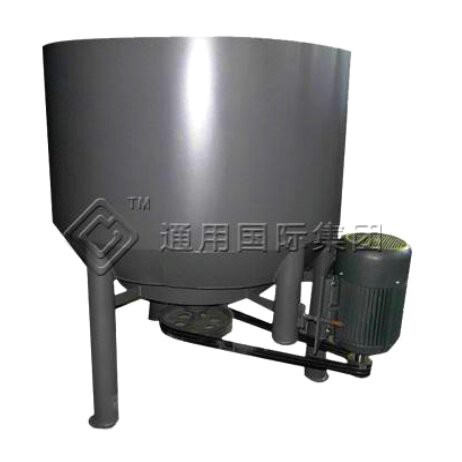
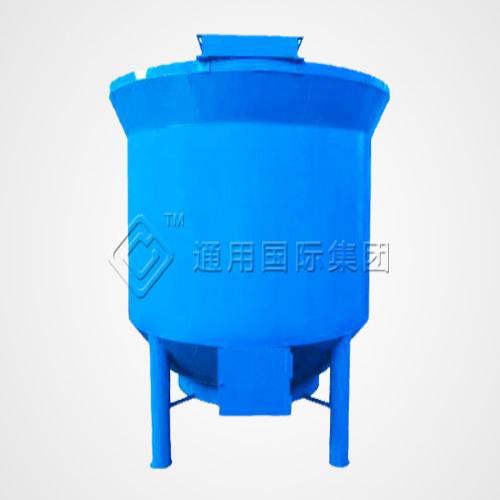
As a pulping machine supplier, we offer a variety of pulping machines to meet different production needs. Whether you are looking for a Mini Pulping Machine for small - scale production or a Standard Pulping Machine for large - scale industrial use, we've got you covered.
Our Medium Pulping Machine is a popular choice for medium - sized enterprises. All our machines are equipped with advanced temperature control systems. These systems allow you to precisely adjust and maintain the temperature within the optimal range for your specific pulping process.
The temperature sensors in our machines continuously monitor the temperature inside the pulping chamber. If the temperature deviates from the set value, the control system will automatically adjust the heating or cooling elements to bring the temperature back to the desired level. This ensures consistent pulp quality and efficient production.
Conclusion
In conclusion, the temperature range during the pulping process is a critical factor that affects the quality, efficiency, and cost of pulp production. Different pulping methods, such as chemical and mechanical pulping, have different optimal temperature ranges.
As a pulping machine supplier, we understand the importance of temperature control in the pulping process. Our range of pulping machines is designed to provide precise temperature control, helping you achieve the best pulp quality while minimizing energy consumption.
If you're interested in our pulping machines or have any questions about the pulping process, feel free to reach out to us. We're always here to assist you with your pulp production needs. Let's work together to make your pulp production more efficient and profitable!
References
- Smook, G. A. (1992). Handbook for pulp and paper technologists. Angus Wilde Publications.
- Gullichsen, J., & Fogelholm, C. J. (Eds.). (2000). Chemical pulping: Principles and practice. John Wiley & Sons.