

Hey there! As a paper cup carrier supplier, I'm super stoked to dive into the various printing options available for these nifty carriers. You know, paper cup carriers are not just about holding cups; they're also a great marketing tool. So, let's explore the different ways you can print on them.
Digital Printing
First up, we've got digital printing. This is like the cool kid on the block in the printing world. It's super versatile and perfect for small - batch orders. With digital printing, you can get high - quality, full - color prints with amazing detail. You can print anything from your brand logo to a funky design or even a special promotion.
The process is pretty straightforward. The design is sent directly to the printer, and it gets printed right onto the paper cup carrier. There's no need for any plates or setup, which means you can get your order done quickly. This is great if you're running a short - term promotion or if you just want to test out a new design.
One of the best things about digital printing is that it allows for variable data printing. That means you can print different information on each carrier, like individual customer names or unique codes. It adds a personal touch and can really make your brand stand out.
Offset Printing
Offset printing is a more traditional method, but it's still a popular choice for large - scale orders. It works by transferring the ink from a plate to a rubber blanket and then onto the paper cup carrier. This method can produce really sharp and consistent prints.
The quality of offset printing is top - notch, especially for large areas of solid color. It's also cost - effective when you're printing a large number of carriers. However, it does require a bit more setup time and cost. You need to create plates for each color in your design, which can be time - consuming and expensive. But if you're looking to print thousands of carriers with the same design, offset printing is definitely worth considering.
Flexographic Printing
Flexographic printing is another option that's commonly used for paper cup carriers. It's a fast and efficient method that's great for printing on flexible materials like paper. The printing plates are made of a flexible material, and the ink is transferred from the plate to the carrier.
This method is known for its ability to print on a variety of substrates and can handle different types of inks, including water - based, solvent - based, and UV - curable inks. Flexographic printing is also suitable for printing large volumes, and it can produce good - quality prints at a relatively low cost.
Screen Printing
Screen printing is a classic method that's been around for ages. It involves pushing ink through a mesh screen onto the paper cup carrier. This method is great for printing bold, solid colors and simple designs.
Screen printing is relatively inexpensive for small - scale orders, and it can create a really tactile and unique look. However, it's not as suitable for detailed or multi - color designs. Each color in your design requires a separate screen, so the setup can be time - consuming and costly for complex designs.
Embossing and Debossing
If you want to add some texture and a premium look to your paper cup carriers, embossing and debossing are great options. Embossing creates a raised design on the surface of the carrier, while debossing creates a recessed design.
These techniques can be used in combination with other printing methods to make your brand logo or design really pop. They add a tactile element that customers can feel, which can enhance the overall brand experience. However, they do add an extra cost to the production process.
Foil Stamping
Foil stamping is a great way to add a touch of luxury to your paper cup carriers. It involves applying a thin layer of metallic foil to the carrier using heat and pressure. You can choose from a variety of foil colors, like gold, silver, copper, and more.
Foil stamping looks really eye - catching and can make your brand look more high - end. It's often used for special occasions or premium products. But like embossing and debossing, it does increase the production cost.
Choosing the Right Printing Option
So, how do you choose the right printing option for your paper cup carriers? Well, it depends on a few factors.
First, consider the quantity you want to print. If you're printing a small number of carriers, digital printing might be the best option. It's fast, flexible, and doesn't require a large setup cost. On the other hand, if you're printing thousands of carriers, offset or flexographic printing could be more cost - effective.
Next, think about the complexity of your design. If you have a detailed, multi - color design, digital or offset printing might be better suited. For simple, bold designs, screen printing could be a great choice.
Also, consider your budget. Some printing methods, like digital printing, are more expensive per unit but have a lower setup cost. Others, like offset printing, have a higher setup cost but are more cost - effective for large volumes.
The Tools You Need
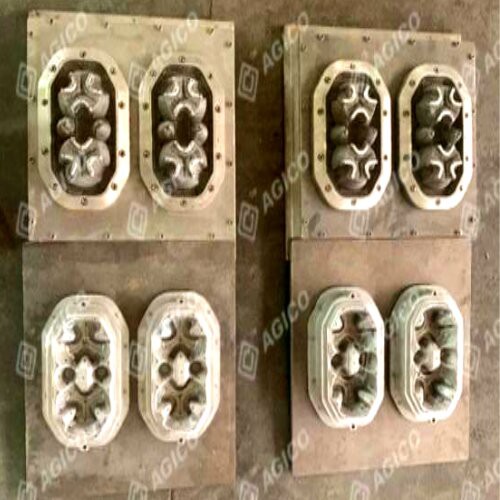
If you're interested in producing your own paper cup carriers, you might need some specialized equipment. The Coffee Cup Tray Mold is an essential part of the process. It helps shape the paper pulp into the right form for the cup carrier.
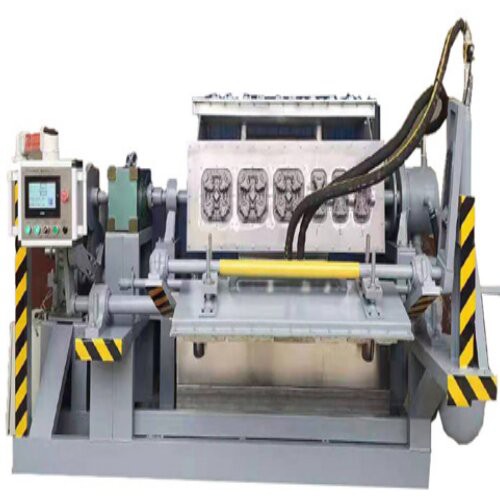
And of course, you'll need a Coffee Cup Tray Making Machine. This machine automates the process of making the carriers, from molding to drying and finishing.
Let's Connect
If you're in the market for paper cup carriers or have questions about the printing options, I'd love to chat. Whether you're a coffee shop owner looking to promote your brand or a marketing agency working on a new campaign, I can help you find the perfect printing solution for your needs. Just reach out, and we can start discussing your requirements.
References
- "Printing Technologies: A Comprehensive Guide" by Printing Press Publications
- "The Handbook of Packaging Printing" by Packaging Experts Group
- Industry reports from the paper and printing industry associations