

As a supplier of pulping machines, I understand the critical role that discharging efficiency plays in the overall performance of these machines. A high discharging efficiency not only ensures smooth operation but also significantly impacts the productivity and profitability of the pulping process. In this blog post, I will share some effective strategies and techniques to improve the discharging efficiency of a pulping machine.
Understanding the Discharging Process
Before delving into the ways to improve discharging efficiency, it is essential to understand the basic discharging process of a pulping machine. The discharging process involves the removal of the pulp from the machine after the pulping operation is complete. This process can be influenced by various factors, including the design of the machine, the properties of the pulp, and the operating conditions.
Optimizing Machine Design
One of the most effective ways to improve discharging efficiency is to optimize the design of the pulping machine. Here are some key design considerations:
- Discharge Port Size and Shape: The size and shape of the discharge port can have a significant impact on the flow of pulp out of the machine. A larger discharge port can allow for a faster and more efficient discharge, while a well-designed shape can prevent blockages and ensure a smooth flow. For example, a tapered discharge port can help to concentrate the pulp and facilitate its removal.
- Agitation and Mixing Mechanisms: Proper agitation and mixing during the pulping process can help to prevent the formation of clumps and ensure a uniform consistency of the pulp. This can make it easier for the pulp to flow out of the machine during the discharging process. Some pulping machines are equipped with built-in agitators or mixing blades to achieve this.
- Discharge Conveyor System: A well-designed discharge conveyor system can play a crucial role in improving discharging efficiency. The conveyor should be able to handle the volume of pulp being discharged and transport it to the next stage of the process without any issues. Consider using a conveyor with a high capacity and a smooth surface to minimize friction and prevent pulp from sticking.
Selecting the Right Pulping Machine
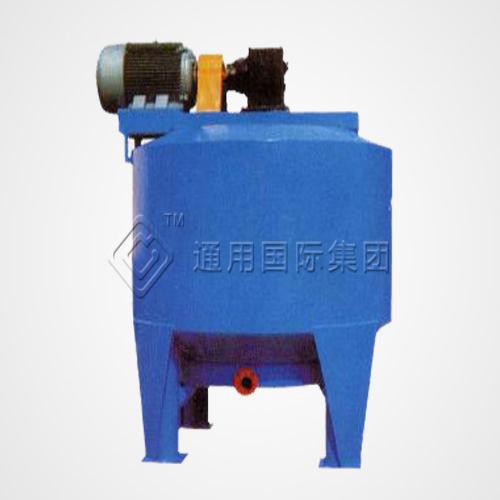
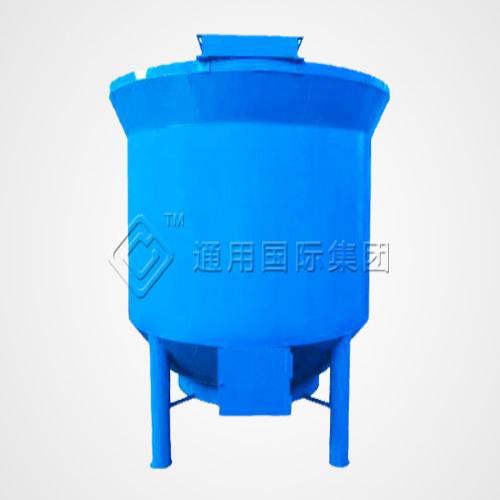
Choosing the appropriate pulping machine for your specific needs is also important for achieving high discharging efficiency. At our company, we offer a range of pulping machines, including Large Pulping Machine, Medium Pulping Machine, and Mini Pulping Machine. Each type of machine has its own features and advantages, and selecting the right one can make a significant difference in the discharging process.
- Large Pulping Machine: Ideal for large-scale pulping operations, large pulping machines typically have a high capacity and are designed to handle a large volume of raw materials. They often come with advanced features and technologies to ensure efficient pulping and discharging.
- Medium Pulping Machine: Suitable for medium-sized pulping facilities, medium pulping machines offer a good balance between capacity and cost. They are versatile and can be used for a variety of pulping applications.
- Mini Pulping Machine: Perfect for small-scale or experimental pulping projects, mini pulping machines are compact and easy to operate. They are a cost-effective option for those who need to produce a small amount of pulp.
Controlling Operating Conditions
In addition to machine design and selection, controlling the operating conditions can also have a significant impact on discharging efficiency. Here are some key factors to consider:
- Pulp Consistency: Maintaining the right pulp consistency is crucial for efficient discharging. If the pulp is too thick, it can be difficult to flow out of the machine, while if it is too thin, it may not have enough structure to be effectively discharged. Regularly monitor and adjust the pulp consistency during the pulping process to ensure optimal performance.
- Temperature and Pressure: The temperature and pressure inside the pulping machine can affect the viscosity and flow properties of the pulp. Operating the machine at the recommended temperature and pressure ranges can help to ensure a smooth discharging process.
- Discharging Time and Frequency: Establishing the appropriate discharging time and frequency is also important. Discharging the pulp too early or too late can lead to inefficiencies and potential issues. Determine the optimal discharging time based on the type of pulp and the machine's specifications, and ensure that the discharging process is carried out at regular intervals.
Regular Maintenance and Cleaning
Regular maintenance and cleaning of the pulping machine are essential for maintaining its performance and ensuring high discharging efficiency. Here are some maintenance tasks to perform:
- Inspect and Replace Worn Parts: Regularly inspect the machine for any worn or damaged parts, such as blades, screens, and seals. Replace these parts as needed to prevent leaks and ensure proper operation.
- Clean the Discharge System: Clean the discharge port, conveyor, and other components of the discharge system regularly to remove any pulp residues or debris. This can prevent blockages and ensure a smooth flow of pulp.
- Lubricate Moving Parts: Lubricate the moving parts of the machine, such as bearings and gears, to reduce friction and wear. This can help to extend the lifespan of the machine and improve its overall performance.
Training and Operator Skills
The skills and knowledge of the operators can also have a significant impact on the discharging efficiency of the pulping machine. Provide comprehensive training to your operators on how to operate the machine correctly, including how to control the operating conditions, perform maintenance tasks, and troubleshoot common issues. Encourage them to follow best practices and make adjustments as needed to optimize the discharging process.
Conclusion
Improving the discharging efficiency of a pulping machine is a multi-faceted process that requires careful consideration of machine design, selection, operating conditions, maintenance, and operator skills. By implementing the strategies and techniques outlined in this blog post, you can significantly enhance the performance of your pulping machine and achieve higher productivity and profitability.
If you are interested in learning more about our pulping machines or have any questions regarding discharging efficiency, please feel free to contact us. We are committed to providing high-quality products and excellent customer service, and we look forward to working with you to meet your pulping needs.
References
- Smith, J. (2018). Pulping Technology: Principles and Practice. New York: Wiley.
- Jones, R. (2019). Optimization of Pulping Processes for Improved Efficiency. Journal of Pulp and Paper Science, 45(2), 123-135.
- Brown, S. (2020). Maintenance Strategies for Pulping Machines. Pulp and Paper Magazine, 78(3), 45-52.