

Hey there! As a supplier of pulping machines, I often get asked which type of pulping machine is suitable for wood pulp. Well, let me break it down for you.
First off, we need to understand a bit about wood pulp and what goes into making it. Wood pulp is a crucial raw material in the paper - making industry, as well as in the production of various cellulose - based products. The process of making wood pulp involves separating the cellulose fibers from the other components in wood, like lignin and hemicellulose. And that's where pulping machines come in.
There are different types of pulping machines out there, each with its own set of features, advantages, and limitations. Let's take a look at some of the common ones and figure out which might be the best fit for your wood - pulping needs.
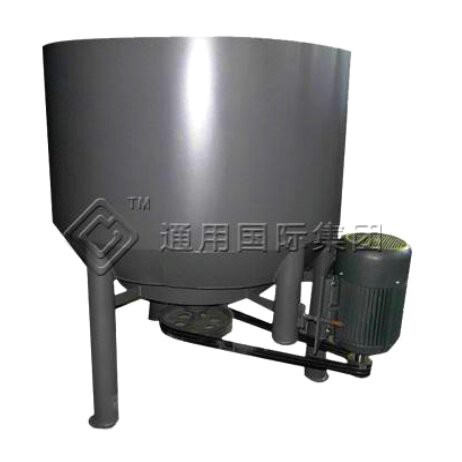
Standard Pulping Machine
The Standard Pulping Machine is a workhorse in the industry. It's designed for large - scale operations where you need to process a significant amount of wood into pulp on a regular basis.
These machines are usually highly automated, which means they can run continuously with minimal human intervention. They're built to handle different types of wood, whether it's softwood or hardwood. The standard pulping machine uses advanced technology to break down the wood chips effectively. For example, it might use chemical processes like the kraft process, which is known for producing high - quality pulp with strong fibers.
One of the big advantages of the standard pulping machine is its efficiency. It can produce a large quantity of pulp in a relatively short time. This is great for big paper mills or companies that supply pulp to other industries. However, it also comes with a hefty price tag and requires a significant amount of space for installation. You'll also need to have a proper infrastructure in place for handling the chemicals used in the pulping process and for disposing of the waste products.
So, if you're running a large - scale operation with a consistent demand for wood pulp, and you have the budget and space to accommodate it, the standard pulping machine could be your best bet.
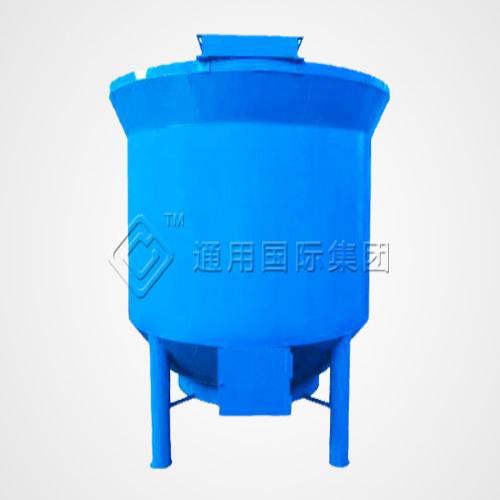
Mini Pulping Machine
On the other end of the spectrum, we have the Mini Pulping Machine. This one is perfect for small - scale producers, research facilities, or even hobbyists who want to experiment with making their own wood pulp.
The mini pulping machine is compact and relatively easy to operate. It doesn't require a huge amount of space, and it's much more affordable compared to the standard pulping machine. These machines are often designed for small - batch production. They might be ideal for artisanal paper - making operations or for small companies that only need a limited amount of pulp for their products.
The mini pulping machine can use simpler pulping methods, like mechanical pulping. This process involves physically grinding the wood chips to separate the fibers. While the quality of the pulp produced by mechanical pulping might not be as high as that from chemical processes, it can still be suitable for certain applications, such as making newsprint or some types of packaging materials.
The main drawback of the mini pulping machine is its limited production capacity. It can't produce as much pulp as the standard machine, so it's not suitable for large - scale commercial operations. But if you're just starting out or have a small - scale project, it's a great option.
Medium Pulping Machine
The Medium Pulping Machine is a sort of middle - ground between the standard and mini pulping machines. It's designed for medium - sized operations where you need to produce a moderate amount of wood pulp.
These machines offer a good balance between capacity and cost. They're more powerful than the mini pulping machines, so they can handle larger batches of wood chips. At the same time, they're not as expensive or as space - consuming as the standard pulping machines.
The medium pulping machine can use a combination of mechanical and chemical pulping methods. This allows it to produce pulp of decent quality that can be used in a variety of applications, from making office paper to certain types of cardboard.
If you're a mid - sized paper mill or a company that has a growing demand for wood pulp but doesn't have the resources to invest in a full - scale standard pulping machine, the medium pulping machine could be the right choice for you.
Factors to Consider
When deciding which type of pulping machine is suitable for wood pulp, there are several factors you need to take into account:
Production Volume
As we've already mentioned, your production volume is a key factor. If you need to produce a large amount of pulp every day, the standard pulping machine is the way to go. But if you only need a small quantity, the mini pulping machine will be sufficient. The medium pulping machine is a good option for those in the middle.
Budget
Your budget will also play a major role in your decision. The standard pulping machine is the most expensive, not just in terms of the initial purchase price but also in terms of the operating costs. The mini pulping machine is the most affordable, while the medium pulping machine falls in between.
Space Availability
You need to have enough space to install the pulping machine. The standard pulping machine requires a large area, while the mini pulping machine can be set up in a relatively small space. The medium pulping machine needs less space than the standard one but more than the mini one.
Quality Requirements
The quality of the pulp you need will depend on your end - product. If you're making high - end paper products, you'll probably need a machine that can produce high - quality pulp, like the standard pulping machine. For lower - quality products, the mini or medium pulping machine might be sufficient.
Conclusion
In conclusion, choosing the right type of pulping machine for wood pulp depends on your specific needs. The standard pulping machine is great for large - scale operations with high production volume and quality requirements. The mini pulping machine is perfect for small - scale projects or experiments. And the medium pulping machine offers a good balance for mid - sized operations.
If you're still not sure which pulping machine is right for you, don't hesitate to reach out. We're here to help you make the best decision based on your unique situation. Whether you're just starting out or looking to upgrade your existing equipment, we can provide you with the information and support you need. Contact us to start a conversation about your pulping machine needs and let's see how we can work together to meet your goals.
References
- "Pulp and Paper Manufacturing" by the U.S. Environmental Protection Agency
- "Handbook of Pulping and Papermaking" by Christopher J. Biermann