

Many customers ask the same question when purchasing an egg tray machine: "Can this production line produce anything other than egg trays?" The answer is yes. A single pulp molding production line, by simply changing molds, can produce dozens of different pulp molded products. This means not only a more flexible business model but also higher return on investment.
How can we achieve "one device, multiple uses"?
The core of a pulp molding production line lies in the forming system. Prepared pulp is drawn onto molds through vacuum suction to form wet blanks, which are then dried, hot-pressed, and finished into final products.
The key factor that determines product shape is the mold.
By simply changing the forming molds, the same pulping system, forming machine, drying system, and packaging system can produce completely different shaped products. This is the core principle behind "one line, multiple products."
What products can a production line produce?
Agricultural & Food Packaging
- Egg trays (30-cell, 24-cell, 20-cell, etc.) - the most common product, suitable for chicken, duck, and quail eggs
- Egg cartons/boxes (6-cell, 12-cell, etc.)
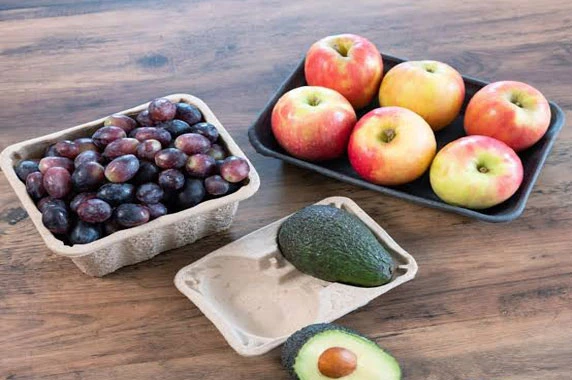
- Fruit trays - for apples, kiwis, pears, and other fruits
- Coffee cup carriers - widely used for takeaway beverage packaging
- Wine bottle trays
- Nursery pots / seedling trays
Industrial Packaging
- Electronics inner packaging - cushioning protection for mobile phones, computer components, etc.
- Mechanical parts protective packaging
- Solar panel packaging
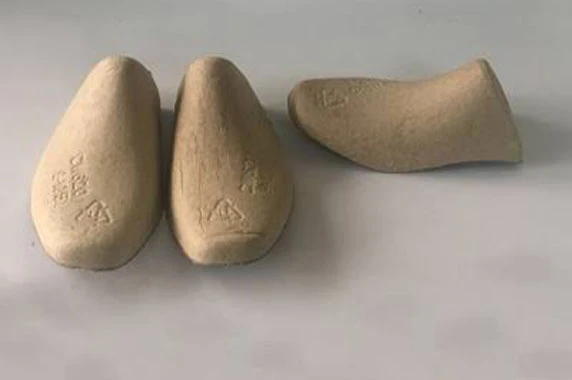
- Shoe supports / shoe trees - shaping and protection for footwear products
- Bottle trays - fixed packaging for various bottled products
Other Applications
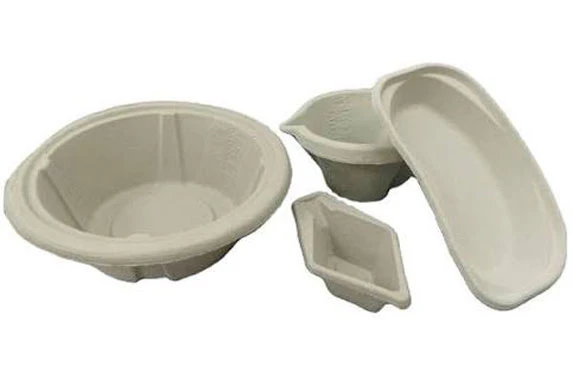
- Disposable medical trays
- Cosmetic packaging
- Retail display trays
Advantages of Multi-Product Production
| Advantage | Description |
|---|---|
| Market Flexibility | Quickly adapt to changing market demands by switching molds and product lines with minimal downtime. |
| Reduced Capital Investment | One production line covers multiple product categories, eliminating the need for separate equipment for each. |
| Maximized Utilization | Keep your line running year‑round by producing different items across seasons, avoiding idle periods. |
| Accelerated ROI | Generate diversified revenue streams from a single investment, leading to faster payback and higher overall returns. |
Key Considerations Before Investment
Before purchasing, determine which products you plan to produce and the estimated production ratio for each. This helps in selecting the right main machine configuration and mold combinations.
Molds directly affect product precision and surface quality. High-quality molds offer longer service life and higher forming accuracy. Choose suppliers with professional mold design teams.
Producing different products may require a hot press (for surface finish and strength), a stacking system (to reduce labor), or labeling/printing equipment (for branding). The specific setup depends on your product mix and quality standards.
Fully automatic production lines have higher initial investment but lower long-term labor costs and more stable product quality. Semi-automatic or manual lines are more suitable for small-scale startups.
Pulp molding production lines can use various waste paper materials including old newspapers, corrugated cardboard, book paper, and paperboard scraps. The wide availability and low cost of raw materials are among the core advantages of pulp molded products.
One Production Line, Infinite Possibilities
A pulp molding production line is far more than just an "egg tray machine." It is the gateway to a diverse world of pulp molded products. From eggs to fruits, from electronics to medical devices, from coffee cups to wine bottles - if you have an idea, the right mold can bring it to life.
Investing in a flexible production line is investing in the unlimited potential of your business.