

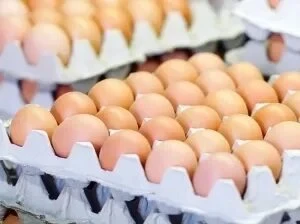
When we walk into a supermarket, we see shelves filled with all kinds of eggs. These fragile eggs, transported by truck and handled by hand from the farm, arrive at consumers intact, with very few breakages. How is this achieved? Behind this success, besides meticulous logistics management, lies an easily overlooked yet crucial item-the egg carton.
So, how are egg cartons produced? Today, let's step into the world of egg carton production lines, from raw materials to finished products, from equipment selection to return on investment, and a guide to the daily maintenance of egg carton making machines.

raw materials of Egg Carton
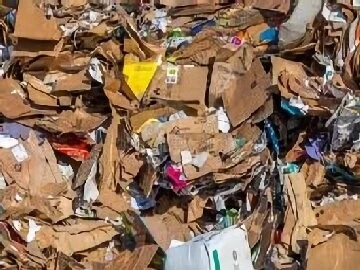
The raw materials are probably things you see every day. The most common is recycled paper – think waste newspapers, magazines, office scraps, cardboard boxes, and corrugated sheets. There's also sugarcane bagasse (the leftover fiber from making sugar) or bamboo pulp.
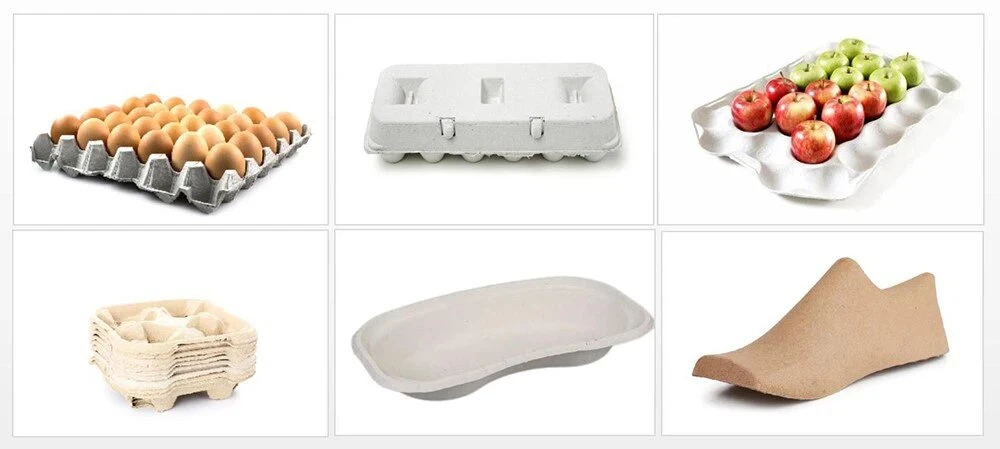
Because it's cheap and widely available, recycled paper is perfect for making packaging where looks aren't the top priority. Think egg trays, fruit trays, cup holders, or protective inserts for shoes and electronics. Cartons made from this are usually grayish and a bit softer, but they're great at cushioning eggs.
Sugarcane bagasse is a natural plant fiber that's naturally whiter and has some resistance to grease and water. That makes it a better fit for things with higher hygiene standards, like disposable takeout containers or medical trays. Molded products made from bagasse look cleaner and feel smoother.
Bamboo pulp is the premium option. Bamboo grows fast, renews easily, and its fibers are really strong. Cartons made from bamboo pulp are tougher and have a nice, natural look. They're often used for high-end, imported, or organic eggs – it adds a touch of quality and boosts a brand's image.


Products Description
Pulping System
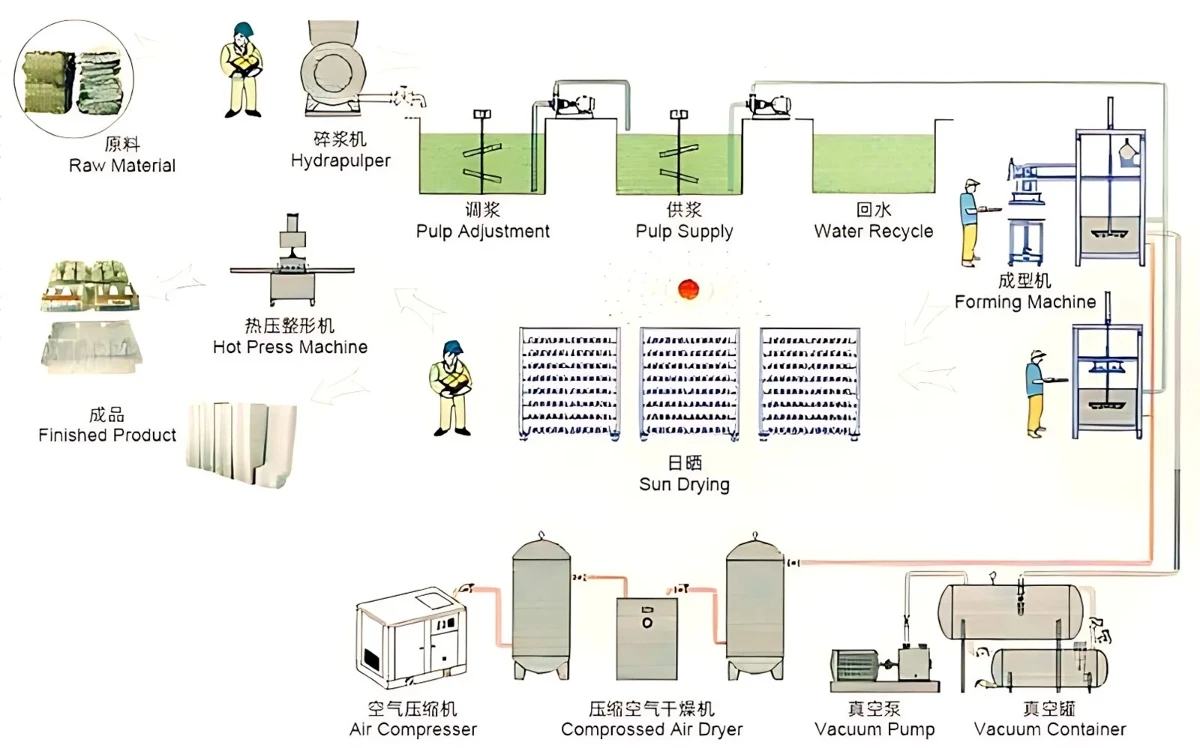
It all starts here. The waste paper is fed into a pulper, where it's mixed with water and churned for about 40 minutes. This creates a slurry of pulp, which then gets piped into a storage tank where it's constantly stirred. From there, a pump sends it to a mixing tank to fine-tune the consistency. Once it's just right, the prepared pulp is pumped over to the forming machine, ready for the next step.
Forming System
At the forming machine, the pulp is pumped into a tank and drawn onto a mold. A vacuum system sucks the pulp onto the mold's surface, shaping it into a wet carton. The excess water gets pulled away into a separator tank. That water is then sent to a storage tank to be reused – it's a closed-loop system. Once formed, a robotic arm picks up the wet, soggy cartons and places them onto a conveyor belt that heads to the dryer.
Drying System
The wet cartons move into the dryer to get rid of all that moisture. Hot air circulates through the system, quickly drying them out and making sure the quality is consistent. There are a few different dryer options out there, like brick-lined tunnels, single-layer metal dryers, multi-layer metal ones, or box-style dryers. Which one you choose really depends on how much you plan to produce.
Packaging System
Once they're dry, the finished cartons are gathered up and fed into a baler, which compresses them into neat, stackable bundles. This makes them way easier to store and ship.
How to Choose egg carton machine?
Manual vs. Automatic
Machines range from completely manual to fully automatic, and the price difference is huge. A manual line is cheaper upfront, good for a startup on a tight budget, but you'll need a lot of hands-on labor. Semi-automatic lines take up less floor space, which is great if your factory isn't huge. Fully automatic lines are incredibly efficient but come with a much higher price tag. The best choice depends entirely on your budget and how many cartons you need to make.
Check Your Resources
Different machines have different requirements when it comes to the pulp itself and factory's power supply. Make sure the equipment you're looking at can actually work with the raw materials you have available and the electrical setup at your facility. This saves you from costly surprises or modifications later.
Think About Long-Term Costs
Don't just look at the sticker price. You should really dig into how much energy the machine uses, how easy it is to maintain day-to-day, and what it'll cost to replace key parts down the line. These ongoing expenses have a huge impact on your long-term profitability.
Know Your Production Needs
Before you start shopping, be clear on your target output. How many cartons do you need per hour? Machine price is closely tied to hourly production capacity. Knowing exactly what you need helps you filter out options that are either too small or more expensive than necessary.
Consider Custom Molds
If you need cartons in a special size or shape (say, for jumbo eggs or specific fruit trays), you'll need to ask about custom molds. Just keep in mind that custom tooling adds to the initial cost. Weigh whether those special features are essential for your business or if standard sizes will do the job just fine.
Look at Support and Spare Parts
Check what kind of after-sales support the supplier offers. Can they provide technical help? Is it easy to get spare parts? Good support minimizes downtime if something breaks and makes it easier to adapt or upgrade your process later on. It's a key factor in keeping your production stable.
Investment and Returns
So, can you make money with this? Profit margins in the molded pulp industry mainly come from two things: cheap raw materials (basically waste) and a boost from environmental policies pushing for alternatives to plastic.
Since the main ingredient is often recycled waste, material costs stay pretty low. And with plastic bans spreading worldwide, the demand for eco-friendly paper egg cartons is steadily growing. Generally speaking, if you have a good source of waste paper nearby and a solid way to sell cartons, it's realistic to expect to recover initial investment within 1 to 2 years. Of course, actual profit will depend on things like local energy prices, labor costs, and sales channels.
For a rough idea: a small line making, say, 4,000 egg trays per day could generate over $3,000 a month in revenue, assuming a selling price of $0.02 to $0.07 per tray. After covering the costs of materials, labor, and energy,net profit for the month might be around $1,500.


Maintenance Guide: Keeping Things Running
Stick to a regular maintenance routine, and machines will be much less likely to break down. That means steady production and lower costs in the long run.
Clean Molds and Screens Daily
At the end of each shift, rinse off any leftover pulp from the forming molds and the mesh screens. This stops them from getting clogged, which messes up the shape of next batch of cartons.
Check the Vacuum System
The vacuum pump is what really drives the forming machine. Keep an eye on the water and oil levels, and make sure all the hoses and connections are sealed tight.
Hydraulics and Pneumatics
Take a quick look around for any air or oil leaks. Keeping the pressure stable ensures all the moving parts work correctly.
Dryer Maintenance
Regularly clean out dust and paper scraps that build up inside the dryer. Also, check the lubrication on the chains and bearings to keep everything moving smoothly.
Calibration
For things like hot presses , periodically check that the temperature and pressure settings are accurate. This keeps the final shape of cartons consistent and professional.