

Hey there! As a supplier of pulping machines, I know how crucial it is to get the pressure right in these machines. Whether you're running a large - scale operation or a small - time setup, the pressure in your pulping machine can make or break the quality of your pulp. So, let's dive into how you can adjust the pressure in a pulping machine.
Understanding the Basics of Pressure in Pulping Machines
First off, why is pressure so important in a pulping machine? Well, the pressure helps break down the raw materials, like wood chips or recycled paper, into pulp. If the pressure is too low, the materials won't break down properly, and you'll end up with a low - quality pulp. On the other hand, if the pressure is too high, it can damage the machine and waste energy.
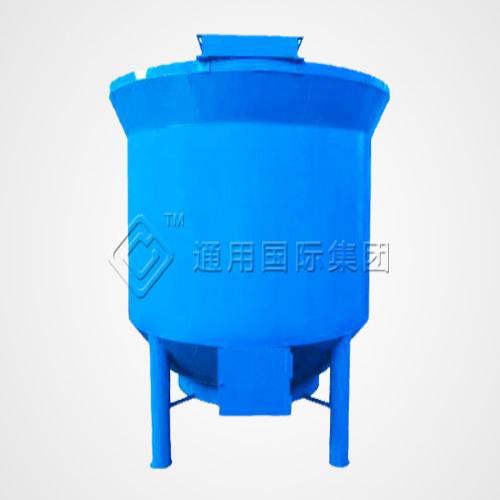
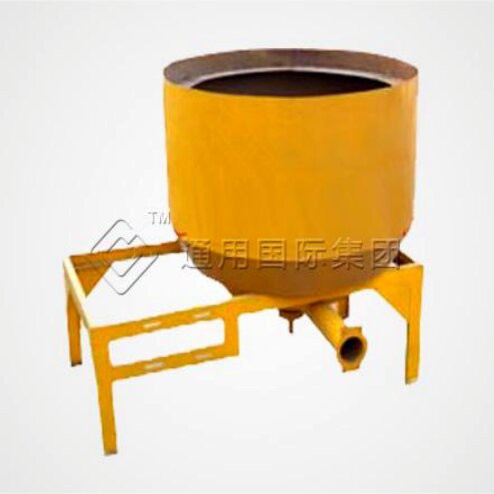
There are different types of pulping machines, and each might have a slightly different way of adjusting pressure. We offer Large Pulping Machine, Medium Pulping Machine, and Mini Pulping Machine, and the principles are similar but with some nuances.
Pre - Adjustment Checks
Before you start adjusting the pressure, there are a few things you need to do. First, make sure the machine is turned off and has cooled down if it was running. Check for any visible signs of damage, like leaks or loose parts. A damaged machine can't handle pressure properly, and trying to adjust the pressure without fixing the issues can lead to more problems.
Next, review the machine's manual. Every pulping machine has its own set of specifications and recommended pressure ranges. The manual will tell you what the ideal pressure is for the type of raw material you're using and the output you want to achieve.
Adjusting the Pressure
Step 1: Locate the Pressure Control Mechanism
Most pulping machines have a pressure control valve or a regulator. This is the part that you'll be using to adjust the pressure. In some machines, it might be a simple knob, while in others, it could be a digital display with buttons.
Step 2: Start with Small Adjustments
Don't go all in and make big changes to the pressure right away. Start with small adjustments, like turning the knob a little bit or increasing the pressure by a small increment on the digital display. After each adjustment, turn on the machine for a short period and see how it performs. Check the quality of the pulp being produced. If the pulp seems to be breaking down better and the machine is running smoothly, you're on the right track.
Step 3: Monitor the Pressure Gauge
Almost all pulping machines come with a pressure gauge. Keep an eye on this gauge as you make adjustments. The gauge will show you the current pressure inside the machine. Make sure the pressure stays within the recommended range. If it starts to go too high or too low, stop the machine immediately and make further adjustments.
Step 4: Consider the Raw Material
The type of raw material you're using can also affect the pressure adjustment. For example, if you're using softwood, it might require less pressure to break down compared to hardwood. Recycled paper might also have different pressure requirements. So, adjust the pressure based on the characteristics of the raw material.
Troubleshooting Pressure Issues
Sometimes, even after following all the steps, you might encounter pressure issues. Here are some common problems and how to fix them.
Problem 1: Pressure Won't Increase
If you're trying to increase the pressure, but it's not going up, there could be a few reasons. First, check if the pressure control valve is fully open. It might be stuck or blocked. You can try cleaning the valve or using a lubricant to free it up. Another reason could be a clogged pipe or filter. Check the pipes and filters in the machine and clean or replace them if necessary.
Problem 2: Pressure Keeps Fluctuating
Fluctuating pressure can be a sign of a more serious problem. It could be due to a faulty pressure sensor or a problem with the machine's pump. If you suspect a faulty sensor, you might need to replace it. For pump issues, it's best to call in a professional technician to diagnose and fix the problem.
Maintenance for Consistent Pressure
To ensure that your pulping machine maintains consistent pressure over time, regular maintenance is key. Clean the machine regularly to prevent build - up of pulp and debris. This build - up can block pipes and valves, affecting the pressure.
Lubricate moving parts as recommended in the manual. This will keep the machine running smoothly and prevent wear and tear that could lead to pressure issues.
Also, schedule regular inspections by a professional technician. They can identify potential problems before they become major issues and ensure that the machine is in good working condition.
Conclusion
Adjusting the pressure in a pulping machine is a process that requires patience and attention to detail. By following the steps outlined above, you can ensure that your machine is operating at the optimal pressure, producing high - quality pulp.
If you're in the market for a new pulping machine or need more advice on pressure adjustment, feel free to reach out. We're here to help you make the most of your pulping operations.
References
- "Handbook of Pulping and Papermaking" by Christopher J. Biermann
- Various pulping machine user manuals