

Hey there! I'm a supplier of Egg Carton Mold, and I know how important it is to keep your egg carton molds clean. A clean mold not only ensures the quality of the egg cartons but also extends the lifespan of the mold itself. In this blog, I'll share some practical tips on how to clean an egg carton mold effectively.
Why Cleaning Your Egg Carton Mold Matters
First off, let's talk about why cleaning your egg carton mold is a big deal. Over time, pulp residue, dirt, and other debris can build up on the mold. This buildup can cause several problems. For one, it can affect the shape and quality of the egg cartons. You might end up with cartons that have rough surfaces or don't hold eggs properly. Plus, dirty molds are more likely to develop rust and corrosion, which can shorten their lifespan. And let's not forget about hygiene. If you're making egg cartons for food products, a clean mold is essential to meet health and safety standards.
Pre - cleaning Preparations
Before you start cleaning, there are a few things you need to do. First, make sure the mold is completely cool. If it's still hot from the molding process, you could get burned, and the cleaning agents might not work as effectively.
Next, gather your cleaning supplies. You'll need a soft - bristled brush, a mild detergent, warm water, and a clean cloth. Avoid using harsh chemicals or abrasive brushes, as they can damage the mold's surface.
Step - by - Step Cleaning Process
1. Remove Loose Debris
Use a soft - bristled brush to gently sweep away any loose pulp or dirt from the mold. Start from the top and work your way down, making sure to get into all the crevices and corners. This step helps to remove the bulk of the debris before you start using water and detergent.
2. Prepare the Cleaning Solution
Fill a bucket with warm water and add a small amount of mild detergent. Stir the solution until it's well - mixed. The warm water helps to break down the dirt and pulp, while the detergent provides extra cleaning power.
3. Soak the Mold
Submerge the egg carton mold in the cleaning solution. Let it soak for about 15 - 20 minutes. This allows the solution to penetrate and loosen the stubborn dirt and residue. While the mold is soaking, you can use this time to clean the brush and cloth you'll be using later.
4. Scrub the Mold
After soaking, take the mold out of the solution and use the soft - bristled brush to scrub it gently. Pay special attention to areas with heavy buildup, such as the egg compartments and the edges. Use circular motions to work the brush into the dirt. Don't scrub too hard, as you don't want to scratch the mold.
5. Rinse the Mold
Once you've scrubbed the entire mold, rinse it thoroughly with clean water. Make sure to remove all the detergent and dirt from the mold. You can use a hose or a bucket of clean water for rinsing. Check the mold carefully to ensure there are no remaining traces of dirt or detergent.
6. Dry the Mold
Use a clean cloth to dry the mold as much as possible. Then, let it air - dry completely in a well - ventilated area. Make sure the mold is completely dry before storing it or using it again. Moisture can lead to rust and mold growth, so proper drying is crucial.
Deep Cleaning for Stubborn Stains
Sometimes, you might encounter stubborn stains or residue that won't come off with the regular cleaning process. In such cases, you can try a deep - cleaning method.
One option is to use a vinegar solution. Mix equal parts of white vinegar and water in a spray bottle. Spray the solution on the stubborn stains and let it sit for about 10 - 15 minutes. Then, scrub the stains with the soft - bristled brush and rinse the mold thoroughly. Vinegar is a natural cleaning agent that can break down tough stains without damaging the mold.
Another option is to use a baking soda paste. Mix baking soda with a small amount of water to form a thick paste. Apply the paste to the stubborn stains and let it dry for a few hours. Then, scrub the stains with the brush and rinse the mold. Baking soda is a gentle abrasive that can help remove tough dirt and stains.

Maintenance Tips to Keep Your Mold Clean
To keep your egg carton mold clean and in good condition, here are some maintenance tips:
- Regular Cleaning: Make it a habit to clean your mold after every few production runs. Regular cleaning prevents dirt and residue from building up and makes the cleaning process easier.
- Proper Storage: Store the mold in a dry, clean place. Avoid storing it in a damp or humid environment, as this can lead to rust and corrosion. You can also cover the mold with a protective cloth to keep it dust - free.
- Inspect the Mold Regularly: Check the mold for any signs of damage, such as cracks or chips. If you notice any damage, repair it immediately to prevent further problems.
Using the Right Equipment for Egg Carton Production
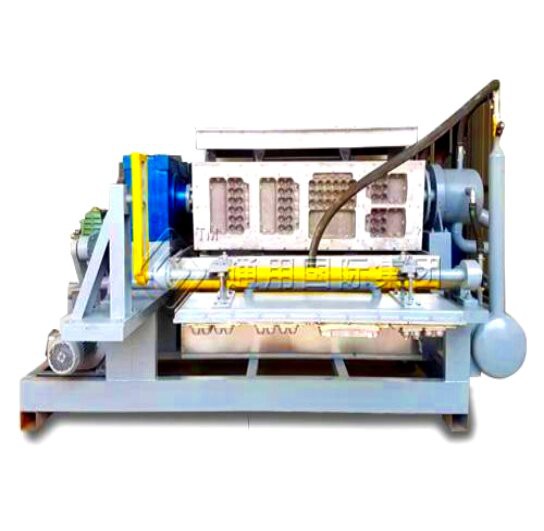
If you're in the egg carton business, having the right equipment is just as important as keeping your molds clean. Our Egg Carton Making Machine is designed to work seamlessly with our Egg Carton Mold. It's efficient, reliable, and can produce high - quality egg cartons in large quantities.
We also offer Quail Egg Cartons for those who are interested in the quail egg market. These cartons are specially designed to fit quail eggs and provide excellent protection during transportation.
Conclusion
Cleaning your egg carton mold is an essential part of the egg carton production process. By following the steps and tips I've shared in this blog, you can keep your mold clean, extend its lifespan, and produce high - quality egg cartons.
If you're interested in our Egg Carton Mold, Egg Carton Making Machine, or Quail Egg Cartons, don't hesitate to reach out for a purchase negotiation. We're here to help you with all your egg carton production needs.
References
- General knowledge about egg carton production and mold cleaning
- Experience from working as an egg carton mold supplier