

Hey there! I'm a supplier of Egg Carton Mold, and today I wanna talk about how to transport an egg carton mold. It might seem like a simple task at first glance, but there are actually quite a few things to consider to make sure the mold arrives at its destination in one piece.
Understanding the Egg Carton Mold
Before we dive into the transportation part, let's quickly go over what an egg carton mold is. These molds are used to create the egg cartons you see in grocery stores every day. There are different types, like those for regular chicken eggs and Quail Egg Cartons. They're usually made of high - quality materials to ensure durability and precision in the molding process.
Pre - transportation Preparation
First things first, you gotta do a thorough inspection of the mold. Check for any signs of damage or wear and tear. If there are any issues, it's best to fix them before shipping. This will not only prevent further damage during transit but also ensure that the mold is in perfect working condition when it reaches the customer.
Next up is cleaning. A dirty mold can attract dust and debris during transportation, which might affect its performance later on. Use appropriate cleaning agents and tools to clean the mold thoroughly. Make sure to dry it completely to avoid rusting, especially if the mold is made of metal.
Packaging the Egg Carton Mold
Proper packaging is crucial for the safe transportation of an egg carton mold. Start by wrapping the mold in a protective material, like bubble wrap. This will act as a cushion and absorb any shocks during transit. You can use multiple layers of bubble wrap for extra protection, especially for larger or more delicate molds.
After wrapping, place the mold in a sturdy box. The box should be big enough to accommodate the mold with some extra space for additional padding. Fill the empty spaces in the box with packing peanuts or foam sheets. This will prevent the mold from moving around inside the box and getting damaged.
If the mold has any sharp edges or protruding parts, cover them with corner protectors. These protectors will prevent the mold from puncturing the packaging and also protect other items in case the mold is shipped along with other goods.
Choosing the Right Transportation Method
There are several transportation methods available, and the choice depends on various factors such as the size and weight of the mold, the distance it needs to travel, and the urgency of delivery.
Road Transport: This is a popular option for short - to medium - distance shipments. Trucks can offer door - to - door service, which is convenient. However, you need to make sure that the truck has a stable and secure interior to prevent the mold from shifting during the journey. Also, consider the road conditions. Rough roads can cause more vibrations, which might damage the mold.
Rail Transport: For longer distances, rail transport can be a cost - effective option. Trains are generally more stable than trucks, and they can handle heavy loads. But you need to factor in the time it takes for loading and unloading at the rail stations.
Air Transport: If you need to deliver the mold quickly, especially for international shipments, air transport is the way to go. It's fast, but it can be quite expensive. Also, make sure the airline has the proper facilities to handle the mold, and follow all their packaging and shipping regulations.
Labeling and Documentation
Proper labeling is essential for easy identification and handling of the egg carton mold during transportation. Label the package with clear information such as "Fragile", "This Side Up", and the destination address. You can also include your contact information in case there are any issues during transit.

Documentation is equally important. Prepare all the necessary shipping documents, including the bill of lading, packing list, and any customs documents if it's an international shipment. Make sure all the information on the documents is accurate and up - to - date.
Tracking the Shipment
Once the mold is on its way, it's a good idea to track the shipment. Most shipping companies offer tracking services, which allow you to monitor the progress of the delivery. This way, you can stay informed about the estimated arrival time and address any potential issues promptly.
Insurance
No matter how careful you are, there's always a risk of damage during transportation. That's why it's a smart move to get insurance for the egg carton mold. Insurance will protect you financially in case the mold gets damaged or lost during transit. Make sure to read the insurance policy carefully and understand the terms and conditions.
Working with a Professional Shipping Company
It's often a good idea to work with a professional shipping company. These companies have the experience and expertise in handling all kinds of shipments, including egg carton molds. They can offer valuable advice on packaging, transportation methods, and documentation. They also have access to better shipping rates and can ensure that your mold is shipped safely and efficiently.
Post - transportation Follow - up
Once the mold has been delivered, follow up with the customer. Ask them to inspect the mold upon arrival and report any issues. If there are any damages, work with the customer and the shipping company to resolve the problem as quickly as possible. This will help build a good relationship with the customer and improve your reputation as a supplier.
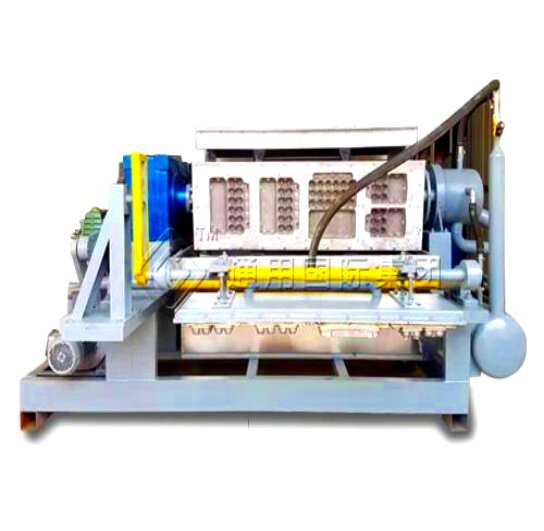
If you're in the market for an Egg Carton Making Machine or need high - quality egg carton molds, don't hesitate to reach out. We're here to provide you with the best products and services. Whether you have questions about transportation, product specifications, or pricing, we're just a message away. Let's start a conversation and see how we can meet your needs.
References
- General knowledge in the field of shipping and packaging.
- Industry best practices for transporting industrial molds.