

In the modern industrial landscape, the demand for efficient resource utilization and sustainable production methods has become increasingly prominent. For a pulping machine supplier like me, enhancing the energy conversion efficiency of our equipment is not only a technical challenge but also a responsibility towards environmental protection and cost - effectiveness for our customers. In this blog, I will share some effective strategies to increase the energy conversion efficiency of a pulping machine.
1. Advanced Design and Material Selection
The design of a pulping machine is fundamental to its energy conversion efficiency. A well - designed pulping machine should minimize unnecessary energy losses during the pulping process. For example, the internal structure of the pulping chamber should be optimized to ensure uniform distribution of the raw materials and the pulping agents. This can reduce the energy required for agitation and mixing.
When it comes to material selection, using high - quality and wear - resistant materials can significantly improve the machine's performance. For instance, the blades and rotors of the pulping machine should be made of materials that can withstand high - speed rotation and friction without significant wear. This not only extends the service life of the machine but also reduces the energy consumption caused by the inefficiency due to worn - out parts.
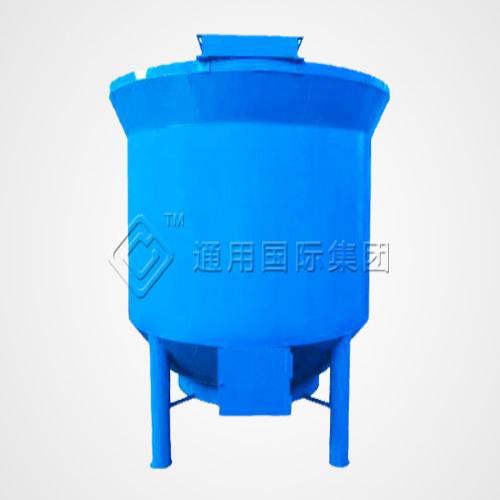
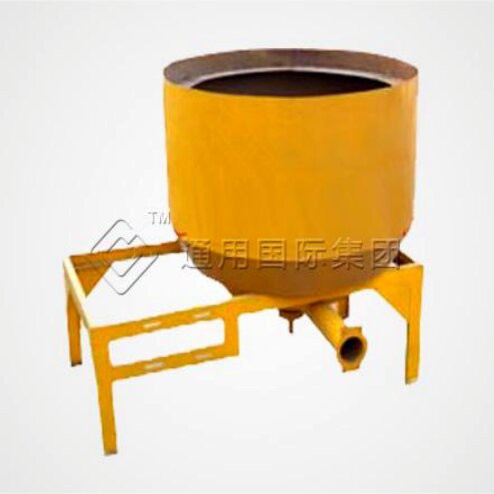
We offer a range of pulping machines, including Large Pulping Machine, Medium Pulping Machine, and Mini Pulping Machine, all of which are designed with advanced concepts and high - quality materials to ensure optimal energy conversion efficiency.
2. Precision Control Systems
Implementing precision control systems in pulping machines can greatly enhance energy conversion efficiency. These systems can monitor and adjust various parameters during the pulping process, such as temperature, pressure, and the flow rate of the raw materials and chemicals.
For example, by accurately controlling the temperature of the pulping process, we can ensure that the chemical reactions occur at the most efficient rate. Too high a temperature may lead to excessive energy consumption and even damage to the pulp quality, while too low a temperature may result in incomplete reactions and lower efficiency.
Pressure control is also crucial. A well - regulated pressure can improve the penetration of the pulping agents into the raw materials, reducing the energy needed for mechanical pulping. The flow rate control of the raw materials and chemicals ensures a continuous and stable pulping process, avoiding energy waste caused by uneven feeding.
Our pulping machines are equipped with state - of - the - art control systems that can be customized according to the specific requirements of different customers. This allows for precise adjustment of the pulping process and maximizes energy conversion efficiency.
3. Waste Heat Recovery
During the pulping process, a significant amount of heat is generated. Instead of letting this heat go to waste, we can recover and reuse it through waste heat recovery systems. This not only reduces energy consumption but also lowers the overall operating costs.
There are several ways to recover waste heat. One common method is to use heat exchangers to transfer the heat from the hot pulp or the exhaust gases to the incoming raw materials or water. This pre - heating process reduces the energy required to raise the temperature of the materials during the pulping process.
Another approach is to use the waste heat to generate electricity through a steam turbine or other power generation devices. This can offset a portion of the electricity consumption of the pulping machine, further improving the energy conversion efficiency.
By incorporating waste heat recovery systems into our pulping machines, we can provide our customers with more energy - efficient solutions. This not only benefits the environment but also helps our customers save on energy costs in the long run.
4. Regular Maintenance and Upgrades
Regular maintenance is essential for keeping the pulping machine in optimal working condition. Over time, parts of the machine may wear out, and the performance may decline. By conducting regular inspections, cleaning, and lubrication, we can ensure that all components of the machine are functioning properly.
For example, cleaning the filters and pipes can prevent blockages, which can cause the machine to work harder and consume more energy. Lubricating the moving parts reduces friction, which also saves energy.
In addition to maintenance, periodic upgrades of the pulping machine can also improve its energy conversion efficiency. As technology advances, new and more efficient components and control systems become available. By upgrading the machine with these new technologies, we can enhance its performance and reduce energy consumption.
We provide comprehensive maintenance and upgrade services for our pulping machines. Our team of experienced technicians can ensure that your machine is always running at its best, maximizing energy conversion efficiency.
5. Operator Training
The skills and knowledge of the operators also play a crucial role in the energy conversion efficiency of the pulping machine. Well - trained operators can operate the machine more efficiently, make appropriate adjustments during the process, and identify and solve problems in a timely manner.
We offer operator training programs for our customers. These programs cover various aspects of the pulping machine operation, including start - up and shut - down procedures, parameter adjustment, and basic troubleshooting. By training the operators, we can ensure that they are fully aware of how to operate the machine to achieve the highest energy conversion efficiency.
6. Optimized Raw Material Preparation
The quality and preparation of the raw materials can have a significant impact on the energy conversion efficiency of the pulping machine. Using high - quality raw materials with consistent properties can reduce the energy required for pulping.
For example, if the raw materials are properly sorted and pre - treated, such as being cut into appropriate sizes and having impurities removed, the pulping process will be more efficient. This is because the pulping agents can penetrate the raw materials more easily, and the mechanical pulping process will require less energy.
We can provide our customers with advice on raw material selection and preparation to help them optimize the pulping process and improve energy conversion efficiency.
In conclusion, increasing the energy conversion efficiency of a pulping machine requires a comprehensive approach that includes advanced design, precision control, waste heat recovery, regular maintenance, operator training, and optimized raw material preparation. As a pulping machine supplier, we are committed to providing our customers with the most energy - efficient solutions.
If you are interested in our pulping machines or want to discuss how to improve the energy conversion efficiency of your existing pulping equipment, please feel free to contact us for a detailed consultation. We look forward to working with you to achieve more sustainable and cost - effective pulping operations.
References
- Smith, J. (2020). Advances in Pulping Machine Technology. Journal of Pulp and Paper Science, 46(2), 123 - 135.
- Johnson, A. (2019). Energy Efficiency in Pulping Processes. Industrial Engineering Review, 32(4), 78 - 85.
- Brown, C. (2021). Waste Heat Recovery in Pulping Machines. Environmental Science and Technology, 55(3), 210 - 218.