

As a supplier of egg tray machines, I understand the importance of properly training workers to operate these machines efficiently and safely. In this blog post, I will share some key steps and tips on how to train workers to operate an egg tray machine.
1. Pre - training Preparation
Before starting the actual training, it is essential to make some preparations. First, gather all the necessary materials, including the machine's user manual, safety guidelines, and any training handouts. The user manual is a valuable resource that provides detailed information about the machine's structure, functions, and operation procedures. Safety guidelines are crucial to ensure the well - being of the workers during operation.
Second, select a suitable training venue. It should be a place where the workers can clearly see the machine and have enough space to move around. If possible, use the actual production site so that the workers can get familiar with the real - world working environment.
2. Introduction to the Egg Tray Machine
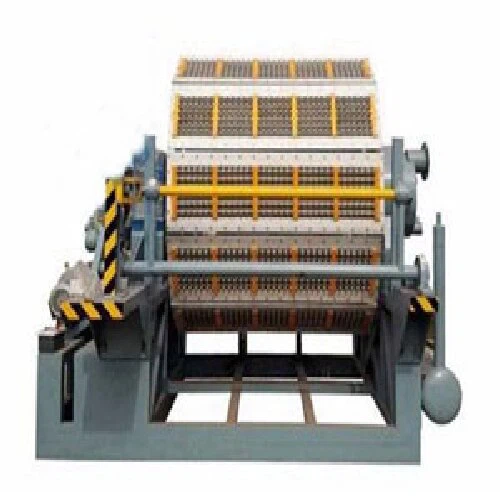
Begin the training by introducing the different types of egg tray machines available. We offer a variety of egg tray machines, such as the 12 - side Egg Tray Machine, the 8 - side Egg Tray Machine, and the 1 - side Egg Tray Machine. Explain the features and advantages of each type, so that the workers understand which machine they will be operating and why it is suitable for the production requirements.
Describe the main components of the egg tray machine, including the pulp making system, molding system, drying system, and stacking system. Show the workers where each component is located on the machine and how they interact with each other. For example, the pulp making system is responsible for turning waste paper into pulp, which is then transferred to the molding system to form the egg trays.
3. Safety Training
Safety should always be the top priority when operating an egg tray machine. Train the workers on the potential hazards associated with the machine, such as moving parts, hot surfaces, and electrical risks. Teach them how to use personal protective equipment (PPE), including safety glasses, gloves, and ear protection.
Demonstrate the proper way to start and stop the machine safely. Explain the emergency stop button's location and function, and ensure that all workers know how to use it in case of an emergency. Provide guidelines on how to handle and store chemicals used in the pulp - making process, if applicable.
4. Operating Procedures
Pulp Making
Show the workers how to prepare the pulp. First, explain the ratio of waste paper to water and any additives that may be required. Demonstrate how to load the waste paper into the pulp making tank and start the mixing process. Teach them how to monitor the pulp consistency, which is crucial for the quality of the egg trays. If the pulp is too thick, the trays may be too heavy and difficult to form; if it is too thin, the trays may be weak and easily damaged.
Molding
Once the pulp is ready, move on to the molding process. Explain how to adjust the molding parameters, such as the pressure and time, according to the type and size of the egg trays. Demonstrate how to place the molds correctly on the molding machine and how to start the molding cycle. Teach the workers how to check the quality of the molded trays, looking for any defects such as holes, uneven thickness, or improper shapes.
Drying
The drying process is important to ensure the strength and durability of the egg trays. Explain the operation of the drying system, including the temperature and humidity control. Show the workers how to load the molded trays onto the drying racks and how to move them through the drying chamber. Teach them how to monitor the drying time and quality, and how to adjust the drying parameters if necessary.
Stacking
After the trays are dried, they need to be stacked for storage or transportation. Demonstrate the proper way to stack the trays neatly and securely. Teach the workers how to use the stacking equipment, if available, and how to ensure that the stacks are stable and do not collapse.
5. Maintenance and Troubleshooting
Regular maintenance is essential to keep the egg tray machine in good working condition. Train the workers on the basic maintenance tasks, such as cleaning the machine after each use, lubricating the moving parts, and checking the belts and chains for wear and tear.
Teach them how to identify common problems that may occur during operation, such as blockages in the pulp pipes, malfunctioning sensors, or electrical failures. Provide them with a troubleshooting guide that lists the possible causes and solutions for each problem. Encourage the workers to report any issues immediately so that they can be resolved in a timely manner.
6. Hands - on Practice
After the theoretical training, provide the workers with hands - on practice opportunities. Let them operate the machine under the supervision of an experienced trainer. Start with simple tasks and gradually increase the complexity as they gain more confidence and skills.
During the practice sessions, provide feedback and guidance to the workers. Correct any mistakes they make and reinforce the correct operating procedures. Encourage them to ask questions and learn from their experiences.
7. Evaluation and Follow - up
Once the training is completed, evaluate the workers' performance. This can be done through written tests, practical demonstrations, or on - the - job observations. Provide feedback to the workers on their strengths and areas for improvement.

Schedule follow - up sessions to ensure that the workers are applying the knowledge and skills they have learned. Monitor their performance over time and provide additional training if necessary.
Conclusion
Training workers to operate an egg tray machine is a comprehensive process that requires careful planning and execution. By following the steps outlined in this blog post, you can ensure that your workers are well - trained to operate the machine safely and efficiently, which will ultimately lead to higher productivity and better - quality egg trays.
If you are interested in purchasing an egg tray machine or need more information about our products and training services, please do not hesitate to contact us for further discussion and negotiation.
References
- Egg Tray Machine User Manuals
- Industry - standard Safety Guidelines for Machine Operation
- Research on Pulp - based Packaging Manufacturing Processes