

Hey there! As a supplier of pulping machines, I often get asked about the noise level of these machines. It's a valid concern, especially if you're planning to use a pulping machine in a workspace where noise could be an issue. In this blog, I'll break down what you need to know about the noise levels of different types of pulping machines.
First off, let's understand why the noise level matters. Excessive noise in a workplace can lead to a bunch of problems. It can cause hearing damage to the workers over time, reduce productivity as it becomes harder to focus, and even lead to complaints from neighbors if the facility is in a residential area. So, having an idea of the noise level of a pulping machine is crucial for a smooth - running operation.
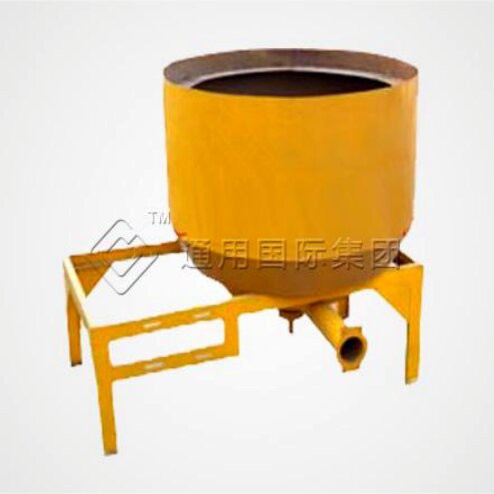
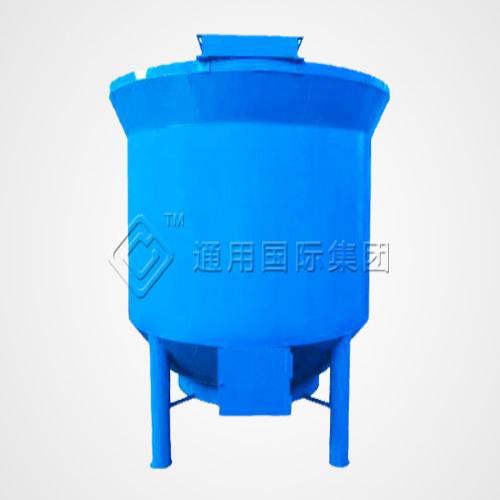
Now, pulping machines come in different sizes and capacities, and each type has its own typical noise level. We've got Mini Pulping Machine, Medium Pulping Machine, and Large Pulping Machine. Let's take a closer look at each one.
Mini Pulping Machine
Mini pulping machines are great for small - scale operations, like a small paper - making workshop or a home - based project. These machines are relatively compact and have a lower power output compared to their larger counterparts.
The noise level of a mini pulping machine usually ranges from about 60 to 70 decibels (dB). To put that into perspective, normal conversation is around 60 dB. So, you can think of the noise from a mini pulping machine as being a bit louder than a normal chat. This level of noise is generally not too disruptive, and you can still carry on a conversation near the machine without having to shout.
The reason for the relatively low noise level is the smaller motor and the less intense pulping process. Mini pulping machines don't have to work as hard to break down the materials, so they don't generate as much noise. If you're working in a small space and don't want a noisy environment, a mini pulping machine could be a great choice.
Medium Pulping Machine
Medium pulping machines are designed for medium - sized businesses. They can handle a larger volume of materials compared to mini machines and are more powerful.
The noise level of a medium pulping machine typically falls between 70 and 80 dB. This is louder than a mini pulping machine, and it's comparable to the noise level of a vacuum cleaner. At this level, you'll definitely notice the noise, and it might be a bit difficult to have a normal conversation right next to the machine.
The increased noise is due to the larger motor and the more intense pulping action. These machines have to work harder to break down larger amounts of raw materials, which results in more vibration and noise. However, with proper noise - reduction measures, like sound - insulating enclosures or using the machine in a well - ventilated and sound - proofed room, you can manage the noise level effectively.
Large Pulping Machine
Large pulping machines are the heavy - hitters in the industry. They're used in large - scale paper mills and industrial pulp production facilities.
The noise level of a large pulping machine can be quite high, usually ranging from 80 to 90 dB or even higher in some cases. This is similar to the noise level of a lawnmower or a motorcycle. Working in close proximity to a large pulping machine without proper hearing protection can be dangerous in the long run.
The high noise level is a result of the massive motors, the large - scale pulping process, and the large amount of materials being processed. These machines are built to handle huge volumes of raw materials, and all that mechanical action generates a significant amount of noise. Industrial facilities often have to implement strict noise - control measures, such as installing noise - absorbing materials on the walls and ceilings, and providing workers with proper hearing protection.
Factors Affecting Noise Level
There are several factors that can affect the noise level of a pulping machine, regardless of its size.
- Motor Quality: A high - quality motor is generally quieter than a low - quality one. Motors with better insulation and precision engineering produce less vibration and noise. When choosing a pulping machine, it's worth investing in one with a good - quality motor to keep the noise level down.
- Machine Design: The design of the pulping machine can also have a big impact on noise. Machines with well - designed components that fit together tightly and have smooth operation are less likely to generate excessive noise. For example, a machine with a well - balanced rotor will produce less vibration and noise compared to one with an unbalanced rotor.
- Maintenance: Regular maintenance is crucial for keeping the noise level in check. If a pulping machine is not properly maintained, parts can wear out, become loose, or develop misalignments. All these issues can lead to increased noise. So, make sure to follow the manufacturer's maintenance schedule and keep the machine in good condition.
- Raw Materials: The type and quality of the raw materials being processed can also affect the noise level. Harder or more fibrous materials may require more force to break down, which can result in more noise. Using high - quality, consistent raw materials can help reduce the stress on the machine and keep the noise level down.
Noise - Reduction Solutions
If the noise level of a pulping machine is a concern for you, there are several solutions you can consider.
- Sound - Insulating Enclosures: These are enclosures made of sound - absorbing materials that can be placed around the pulping machine. They can significantly reduce the amount of noise that escapes into the surrounding environment.
- Vibration Isolation: Using vibration - isolation pads or mounts can help reduce the amount of vibration transferred from the machine to the floor or other surfaces. This can in turn reduce the noise level, as vibration is a major source of noise in pulping machines.
- Regular Maintenance: As mentioned earlier, keeping the machine well - maintained can prevent excessive noise. Replace worn - out parts, tighten loose bolts, and lubricate moving parts regularly.
Contact for Purchase and Discussion
If you're interested in purchasing a pulping machine and want to know more about the noise levels or other features, feel free to reach out. We can discuss which type of pulping machine would be the best fit for your specific needs. Whether you're a small - scale entrepreneur or a large - scale industrial operator, we've got the right solution for you.
References
- "Industrial Noise Control Handbook", Author not specified, Publisher not specified
- "Noise and Vibration Control Engineering Principles and Applications", by Randall L. Jacobsen, 2015.