

Temperature is a critical factor in the production of egg trays using an egg tray machine. As a supplier of egg tray machines, I've witnessed firsthand how precise temperature control can significantly impact the quality, efficiency, and overall success of egg tray manufacturing. In this blog, I'll delve into the temperature requirements during different stages of egg tray production and explain why maintaining the right temperature is crucial.
Pulping Stage
The pulping stage is the first step in egg tray production, where waste paper or other fibrous materials are broken down into a pulp. This process involves mixing the raw materials with water and chemicals in a pulper. Temperature plays a vital role in this stage as it affects the pulping efficiency and the quality of the pulp.
The ideal temperature for pulping typically ranges between 40°C and 60°C. At this temperature range, the fibers in the paper can be effectively broken down, and the chemicals can work more efficiently. Higher temperatures can accelerate the pulping process, but they also increase the risk of fiber degradation and energy consumption. On the other hand, lower temperatures may slow down the pulping process and result in incomplete fiber separation.
To maintain the optimal temperature during pulping, most egg tray machines are equipped with heating systems. These systems can be powered by steam, electricity, or other energy sources. The temperature is usually controlled by a thermostat, which ensures that the pulp stays within the desired range.
Molding Stage
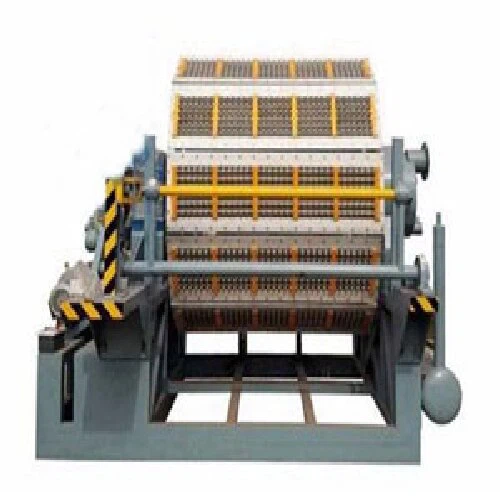
After the pulping stage, the pulp is transferred to the molding section of the egg tray machine. In this stage, the pulp is formed into the shape of egg trays using a mold. The temperature during molding is critical for achieving the right shape, strength, and texture of the egg trays.
The temperature of the mold and the pulp should be carefully controlled to ensure proper molding. The mold temperature typically ranges from 80°C to 120°C. This temperature helps to evaporate the water from the pulp and solidify the fibers, giving the egg trays their shape and strength. If the mold temperature is too low, the water may not evaporate quickly enough, resulting in weak and soggy egg trays. Conversely, if the mold temperature is too high, the fibers may over-dry and become brittle, leading to cracking and breakage.
In addition to the mold temperature, the temperature of the pulp also needs to be maintained. The pulp temperature should be slightly lower than the mold temperature, usually around 60°C to 80°C. This temperature difference helps to create a smooth and even surface on the egg trays.
To control the temperature during molding, egg tray machines often use heating elements or hot air blowers. These devices can be adjusted to maintain the desired temperature of the mold and the pulp. Some advanced egg tray machines also feature temperature sensors and control systems that can automatically adjust the temperature based on the production requirements.
Drying Stage
The drying stage is the final step in egg tray production, where the molded egg trays are dried to remove the remaining moisture. This process is essential for ensuring the durability and quality of the egg trays.
The drying temperature depends on the type of drying method used. There are two main types of drying methods: natural drying and mechanical drying.
Natural drying involves placing the egg trays in a well-ventilated area and allowing them to dry naturally. This method is slow and depends on the environmental conditions, such as temperature, humidity, and air circulation. The ideal temperature for natural drying is around 20°C to 30°C, with a relative humidity of less than 60%. Higher temperatures can speed up the drying process, but they may also cause the egg trays to warp or crack.
Mechanical drying, on the other hand, uses a drying oven or a conveyor dryer to dry the egg trays. This method is faster and more efficient than natural drying. The drying temperature in a mechanical dryer typically ranges from 100°C to 150°C. At this temperature, the moisture in the egg trays can be quickly evaporated, resulting in dry and sturdy egg trays.
To ensure uniform drying, the egg trays should be evenly spaced in the dryer, and the temperature should be evenly distributed. Some mechanical dryers also feature adjustable temperature settings and drying times to accommodate different production requirements.

Importance of Temperature Control
Maintaining the right temperature during egg tray production is crucial for several reasons:
- Quality Assurance: Proper temperature control ensures that the egg trays have the right shape, strength, and texture. This results in high-quality egg trays that can effectively protect the eggs during transportation and storage.
- Efficiency: Optimal temperature settings can improve the production efficiency of the egg tray machine. By reducing the drying time and improving the pulping and molding processes, the machine can produce more egg trays in less time.
- Energy Savings: Controlling the temperature can help to reduce energy consumption. By using the right temperature settings and energy-efficient heating systems, egg tray manufacturers can save on energy costs.
- Productivity: Consistent temperature control can minimize the production errors and downtime, resulting in higher productivity and lower production costs.
Conclusion
Temperature is a critical factor in the production of egg trays using an egg tray machine. From the pulping stage to the drying stage, maintaining the right temperature is essential for ensuring the quality, efficiency, and productivity of the production process.
As a supplier of egg tray machines, we offer a range of high-quality machines that are designed to meet the temperature requirements of different production processes. Our 12-side Egg Tray Machine, 4-side Egg Tray Machine, and 8-side Egg Tray Machine are equipped with advanced temperature control systems that can ensure precise temperature regulation.
If you're interested in purchasing an egg tray machine or have any questions about temperature requirements in egg tray production, please feel free to contact us. We'll be happy to provide you with more information and help you choose the right machine for your needs.
References
- Smith, J. (2020). Egg Tray Manufacturing: A Comprehensive Guide. New York: ABC Publishing.
- Johnson, R. (2019). Temperature Control in Industrial Manufacturing Processes. London: XYZ Press.
- Brown, A. (2018). The Impact of Temperature on Paper Pulping and Molding. Journal of Paper Science, 25(3), 123-135.