

Every egg that reaches a consumer's kitchen has already survived a remarkable journey-from the nest box on a poultry farm, through collection, grading, transportation, and retail display. At every stage, one silent guardian stands between a pristine egg and a cracked, contaminated, or degraded product: the egg tray.
Yet in the global poultry industry, egg trays are often treated as an afterthought-a commodity item purchased on price alone. This article argues that the egg tray is not merely a container. It is the first line of defense for egg quality, and the choice of tray directly determines breakage rates, shelf life, food safety, and ultimately, your bottom line.
The Fragile Journey of an Egg
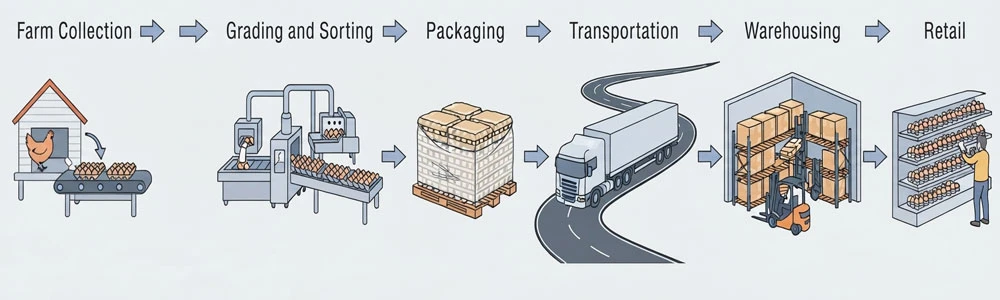
An eggshell may appear solid, but it is a surprisingly delicate structure. The average commercial eggshell can withstand only about 3 kilograms of static pressure before cracking-and far less when subjected to dynamic forces such as vibration, impact, and compression during transportation. From the moment an egg is laid to the moment it reaches a consumer, it may endure dozens of handling events, multiple stacking and unloading cycles, and thousands of kilometers of road, rail, or sea transit.
Industry data reveals a stark reality: without effective packaging protection, egg breakage rates during transportation can exceed 10%. Even with standard packaging, losses of 3–5% are not uncommon. Each broken egg represents not only a direct economic loss but also a contamination risk to adjacent eggs in the same tray.
Three Core Protective Functions of Egg Trays
Physical Cushioning
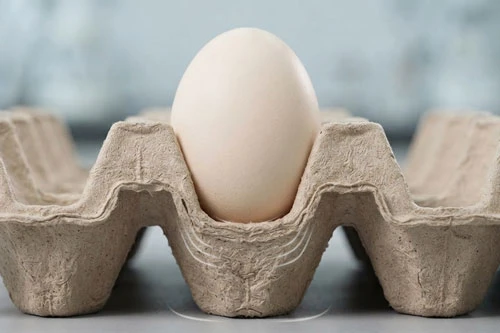
Molded pulp egg trays are shaped with contoured cups and stackable structures to absorb vibration and impact during handling and transport. Each egg sits firmly in place, reducing movement and preventing cracks.
Ventilation & Freshness Preservation
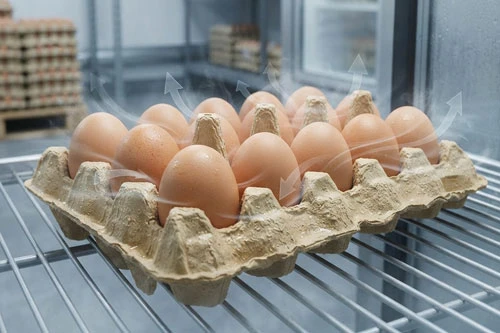
Open-top walls and ventilation channels allow air to flow around each egg, helping heat and moisture escape. This supports uniform cooling and helps preserve freshness during storage and cold-chain transit.
Separation & Contamination Control
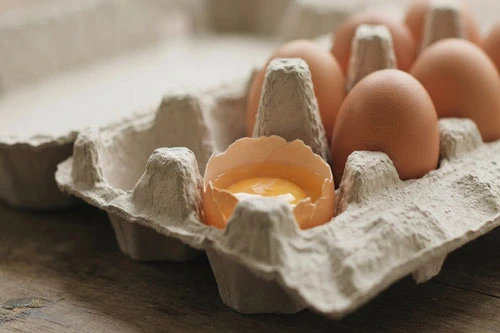
Individual egg cups keep eggs separated. If one egg breaks, the tray helps contain the leakage and reduces the risk of contamination to nearby eggs.
Choosing the Right Egg Tray: From Farm to Shelf
Protection is only the beginning. Choosing the right tray depends on your eggs, transport route, and market. Focus on material, structure, egg cup fit, ventilation, stacking stability, cleanliness, and odor. A good tray holds each egg securely, allows airflow, and stacks without crushing.
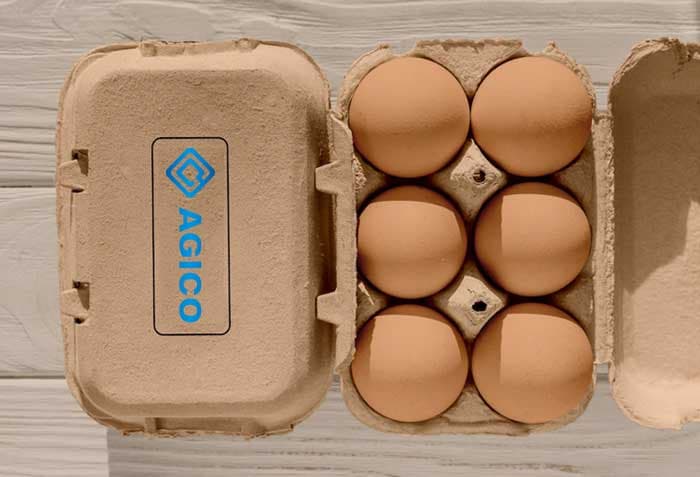
Different stages need different priorities: farm collection favors easy handling; grading lines need consistent fit; cold-chain transit needs ventilation; retail needs presentation; e-commerce needs extra cushioning. The tray is also a brand touchpoint-custom colors, logo printing, and retail-ready designs improve shelf appeal and unboxing. Finally, more buyers prefer recyclable, compostable, and recycled-fiber trays, making sustainability a practical purchasing requirement.
From the moment an egg leaves the nest to the moment it reaches a consumer's table, the egg tray is its constant companion and its most reliable protector. As the global poultry industry faces rising quality expectations, stricter food safety regulations, and growing sustainability mandates, the choice of egg tray is no longer a procurement detail-it is a strategic decision.
A high-quality egg tray protects your product. The right egg tray partner protects your business.