


Pulp Tray Packaging for Custom Packaging Production
Packaging trays are often developed around specific products rather than standard shapes. A tray may need to support delicate surfaces, separate multiple components, or fit within an existing carton.
For manufacturers developing molded pulp packaging, these requirements influence both tray design and production planning. AGICO provides pulp molding machinery and mold solutions for businesses producing custom pulp tray packaging, with equipment arrangements based on the intended product and production volume.
Discuss Your Packaging Project
What Determines the Shape of a Pulp Packaging Tray?
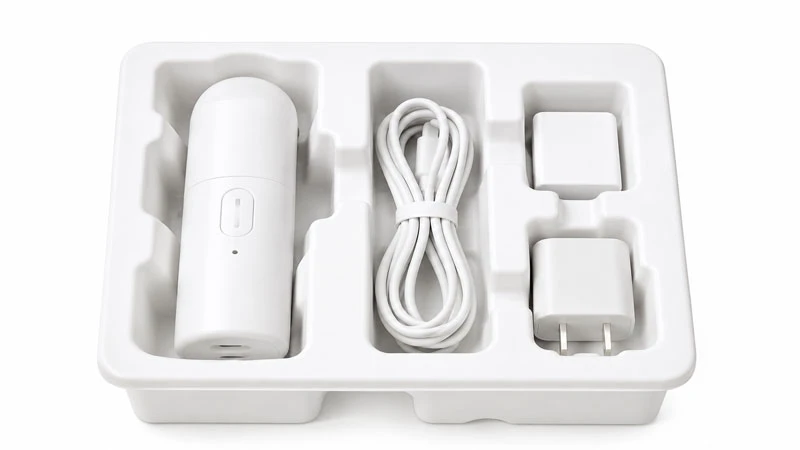
The tray's structure depends on the product it holds and how the packaged item will be handled. Its internal contours, compartment layout, and outer dimensions need to work together to support the product and fit the intended packaging format.
These requirements vary by application, so the tray design should be considered in the context of its actual use.
Packaging Applications and Tray Design Considerations
Pulp tray packaging can be developed for products with different shapes, weights, and packing requirements. The tray structure should reflect how the product sits inside the package, how it is handled, and how much space is available around it.
| Packaging Application | Tray Design Considerations |
| Electronics and delicate components | Support points, component separation, and protection of sensitive areas |
| Industrial parts | Part geometry, weight distribution, cavity depth, and removal space |
| Consumer products | Product orientation, presentation, and fit within the outer package |
| Multi-item packaging | Compartment layout, spacing between items, and orderly placement |
These differences affect more than the tray's appearance. They can influence cavity geometry, mold design, and the suitability of the forming arrangement. Defining the intended application early helps establish a practical basis for developing the tray and its manufacturing solution.


When Should a Tray Design Be Reviewed Before Production?
A tray design may look suitable on screen or in a sample, yet still present practical issues during packing or manufacturing. Reviewing the following details before mold production can help identify potential problems early.
Insufficient Product Support
If the tray does not support the product at the intended contact points, the item may shift during handling. The internal contours and support areas may need to be reviewed against the product's shape and weight distribution.
Difficult Product Removal
Deep cavities, narrow gaps, or complex contours can make product removal and tray demolding more challenging. These features should be assessed to determine whether the design is suitable for the proposed molding arrangement.
Poor Fit with Outer Packaging
A tray that does not fit the outer carton may reduce usable packing space or interfere with loading and closing. Confirming the tray's overall dimensions and placement within the package helps prevent avoidable design changes later.
Different Order Patterns, Different Production Priorities
The right production arrangement depends not only on the tray itself, but also on how the manufacturer expects to produce and supply it.
| Production Situation | Main Consideration |
| Repeated orders for one tray design | Consistent output and repeatable forming conditions |
| Multiple tray designs for different customers | Mold compatibility, product changeovers, and production scheduling |
| A new tray added to an existing product range | Whether current forming and drying equipment can accommodate the new design |
| A new packaging project with an uncertain order volume | A production arrangement that reflects realistic demand and future requirements |
For established products, the focus may be on maintaining a stable production schedule. For a varied product range, mold changes and machine compatibility become more important. When adding a new tray to an existing factory, checking the available equipment first can help identify what needs to be added or modified.
From Tray Design to a Workable Production Setup
A product drawing helps define the intended tray, but it does not determine the complete production arrangement on its own. Three areas need to be considered together.

Mold and Forming Compatibility
The mold must accommodate the tray's dimensions and geometry while fitting the selected forming equipment. For a range of tray designs, compatibility should be assessed for each mold.

Forming and Product Handling
Tray depth, wall structure, and compartment layout can affect forming and release. The proposed design should be evaluated not only for its shape, but also for how the formed tray can be transferred and handled.
Drying Capacity
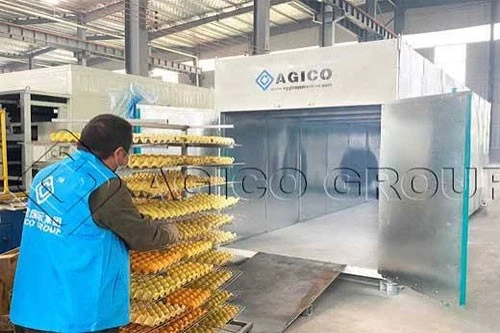
Newly formed pulp trays contain moisture. Their structure, thickness, and production volume influence drying requirements, so drying capacity needs to be considered alongside forming output rather than treated as a separate afterthought.
What to Prepare for an Equipment Assessment
If you are developing a new pulp tray packaging product, an existing sample or product drawing is a useful starting point. If neither is available, a reference image and preliminary dimensions can help establish the initial requirements.
Where possible, provide:
- Tray dimensions or a product drawing
- A sample or reference image showing the intended structure
- Expected production volume and working schedule
- Information about existing pulp molding equipment, if applicable
AGICO can use this information to discuss mold requirements, forming equipment, and the related drying arrangement. The final configuration depends on the product specifications and the conditions of the proposed project.
Send Your Tray Drawing or Project Details
Hot Tags: pulp tray packaging, China pulp tray packaging manufacturers, factory


