

Flexible forming equipment for pulp trays and custom fiber packaging
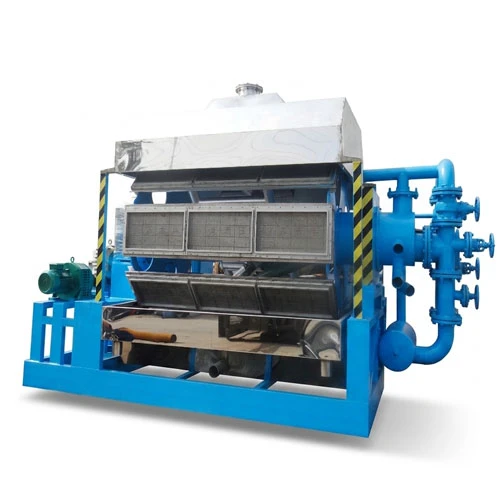
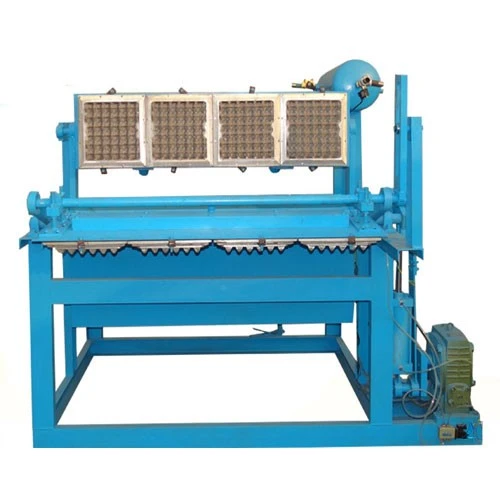
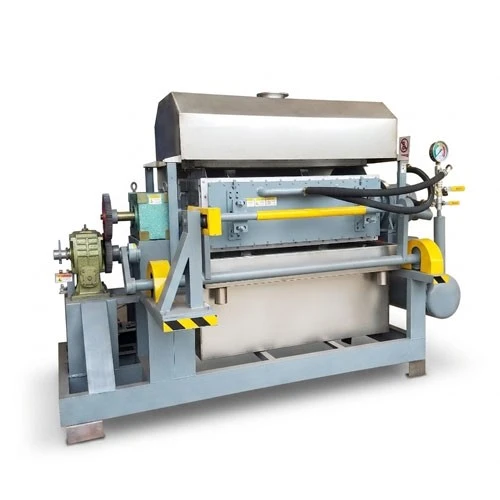
A molded pulp machine forms prepared fiber slurry into wet trays or packaging products by vacuum.
With a suitable mold and matched downstream equipment, one forming platform can support egg trays, fruit trays, cup carriers, seedling trays and customized protective packaging. AGICO supplies multiple machine arrangements so a buyer can compare output, mould quantity and integration requirements before selecting a configuration.
The forming machine is one part of a complete molded-pulp production project. Pulp preparation, vacuum and compressed-air systems, drying, optional hot pressing, stacking and packing should be matched to the product design and target output. Final configuration is therefore confirmed against the buyer's sample or drawing, raw material, local utilities and factory conditions.
What Products Can the Machine Make?
Interchangeable molds allow the forming section to produce different pulp-fiber shapes. The practical product range depends on mold geometry, product depth, wall thickness, surface requirements and the downstream drying or finishing arrangement.



How the Molded Pulp Machine Works

1
Recovered paper or another approved fiber source is pulped, screened and adjusted to the required consistency in the stock-preparation system.
2
The selected mold contacts the slurry. Vacuum draws water through the mesh surface while fibers accumulate into the required product shape.
3
A transfer mechanism removes the wet product from the forming mold and places it onto a conveyor or into the selected drying arrangement.
4
The wet product is dried, then may be hot pressed, counted, stacked, printed, labelled or packed according to the project scope.
Machine Structure and Buyer-Relevant Features

Forming and transfer molds determine the product shape and cavity arrangement. The machine frame, drive, vacuum piping, air interfaces and transfer system coordinate the forming cycle. Controls should be selected together with the production-line layout so the forming section can exchange material and timing signals with upstream and downstream equipment.
For quotation accuracy, confirm whether the machine will operate as a standalone forming section or as part of a complete line. Also identify the required product, target output, available factory space, electricity standard, water supply, fuel or heating option for drying, and any finishing requirements.
Molded Pulp Machine Technical Specifications
The following values are the confirmed task data. Output ranges are expressed as pieces per hour.
| Models | Output (pieces/hour) | Power (kw) | Mould Quantity |
|---|---|---|---|
| DTF 3×1 | 1000 | 2.2 | 3 |
| DTF 4×1 | 1500 | 2.2 | 4 |
| DT 3×4 | 1800-2300 | 3 | 12 |
| DT 4×4 | 2200-2500 | 3 | 16 |
| DT 3×8 | 3000-4000 | 3 | 24 |
| DT 4×8 | 3500-4500 | 3 | 32 |
| DT 5×8 | 4000-5000 | 4 | 40 |
| DT 6×8 | 6000-7000 | 4 | 48 |
| DT 8×8 | 9000-10000 | 4 | 64 |
| DT 5×12 | 5000-6000 | 4 | 60 |
Selection note: actual output can vary with product design, pulp condition, mold setup and coordination with the drying and handling sections.
How to Select a Suitable Model
Target capacity
Define required pieces per hour and expected working schedule.
Product and mold
Provide a sample, drawing or dimensions so cavity layout and mould quantity can be evaluated.
Raw material
Identify the available recovered paper or fiber source and any product-specific quality requirements.
Drying arrangement
Confirm factory space, local energy options and desired automation before matching the dryer.
Utilities and site
Provide voltage, frequency, water conditions, available compressed air and installation constraints.
Expansion plan
Allow for additional molds, higher output or downstream finishing when future capacity growth is expected.
Customization and Project Support
Mold selection is central to a molded-pulp project. The forming and transfer molds must match the product geometry, cavity arrangement and release requirements. A buyer should submit physical samples or dimensioned drawings and identify which surfaces, nesting behavior, strength and appearance are important.

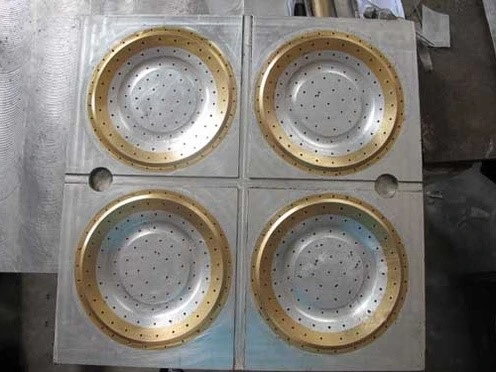

A project proposal can then define the forming-machine model, mold scope, pulping interface, vacuum and air requirements, drying arrangement, controls and downstream handling.
Final inclusions should be confirmed in the quotation rather than assumed from a standard machine image.
FAQ
Frequently Asked Questions
What products can a molded pulp machine produce?
It can form egg trays, cartons, fruit trays, cup carriers, seedling trays and custom protective packaging when fitted with a suitable mold and matched process configuration.
How do I choose a model?
Start with the required hourly output, product drawing, cavity arrangement, available utilities, drying method and factory space. AGICO can then compare suitable forming configurations.
Can one machine use different molds?
Mold changeover is possible when the machine and mold sets are designed for the intended products. Changeover scope and time should be confirmed for the selected configuration.
Is the forming machine a complete production line?
No. A complete project may also require pulping, vacuum, compressed air, drying, optional hot pressing, stacking and packing equipment.
Why can actual output differ from the table?
Product geometry, pulp condition, mold setup, drying capacity and line coordination can affect practical output.
What information is needed for a quotation?
Provide the product sample or drawing, target capacity, raw material, project location, voltage and frequency, factory constraints and preferred drying arrangement.
Request a Molded Pulp Machine Proposal
Send your target product, required pieces per hour, raw material, project location and available utilities. AGICO will use these details to discuss a suitable machine and line configuration.
Hot Tags: molded pulp machine, China molded pulp machine manufacturers, factory


